MTF Prayog · Research
Community as Co-Researchers
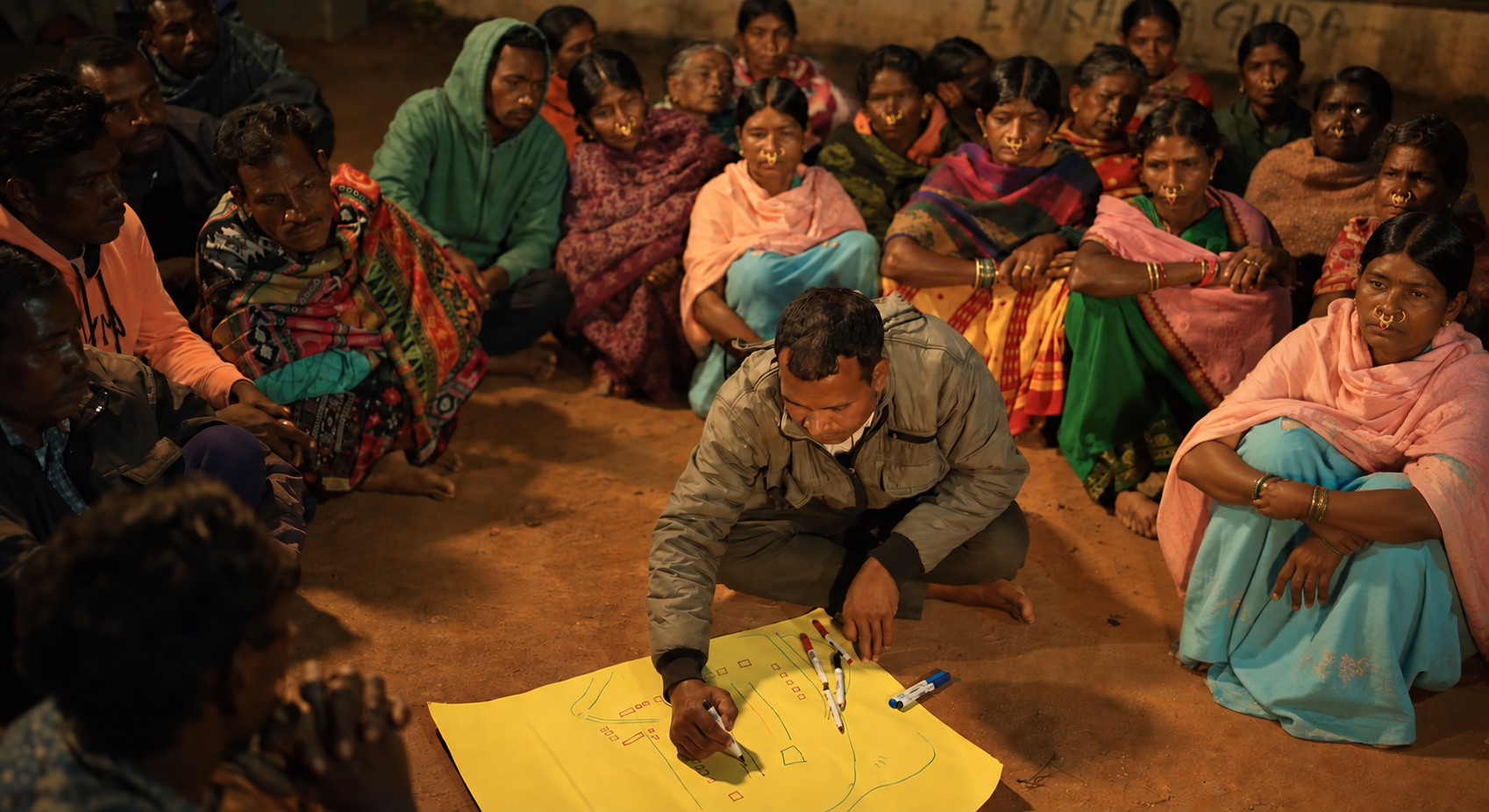
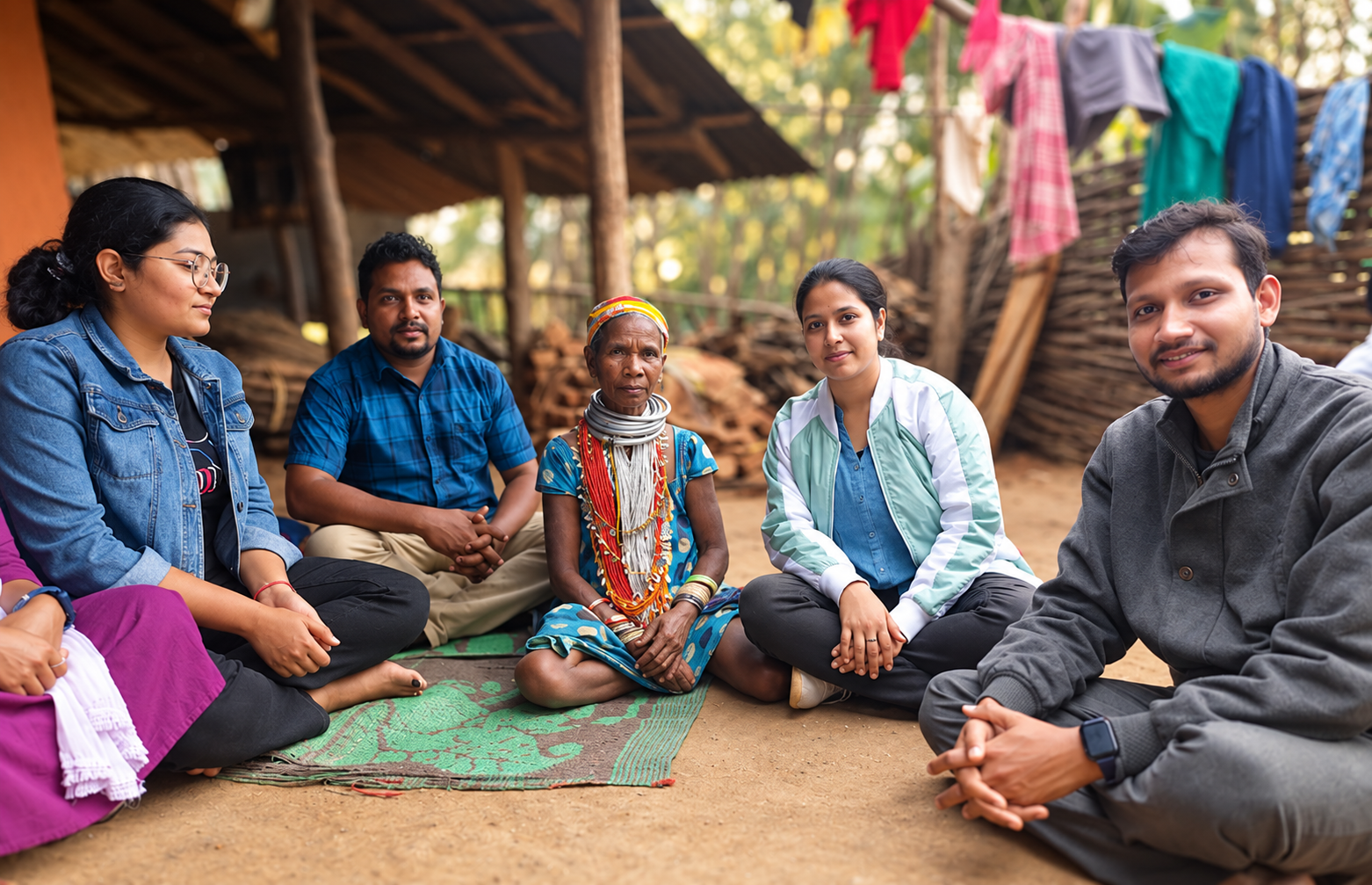
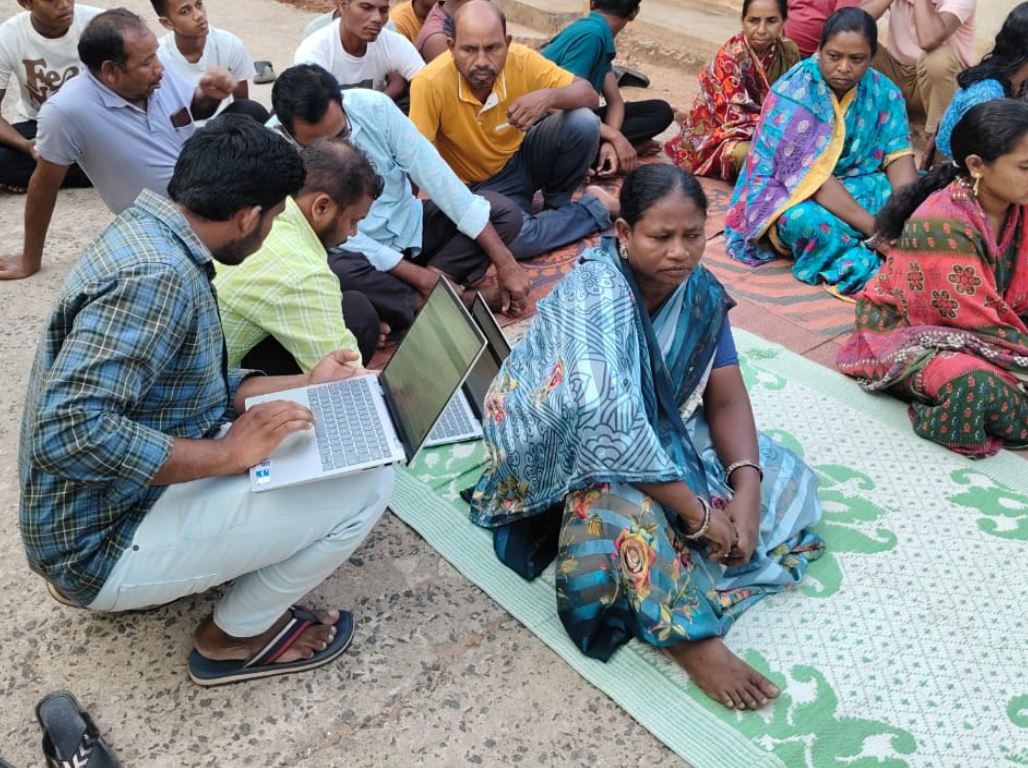
The people who live on the land already know it better than we do. So we sit with them, ask what they want to find out, and work it out together. Whatever we learn belongs to the village first — in their language, in a form they can use.
- 13
- Communities
- 4
- States
- 30+
- Participatory research
Know the Vertical
Know About MTF Prayog
Under this vertical, all research, documentation and technology work of MAGICTERRAIN FOUNDATION comes together.
Extraction is the default. We built against it.
Most research takes knowledge out of a village and leaves it where the village cannot reach — behind a paywall, in a language nobody there reads, with the community credited as a sample size.
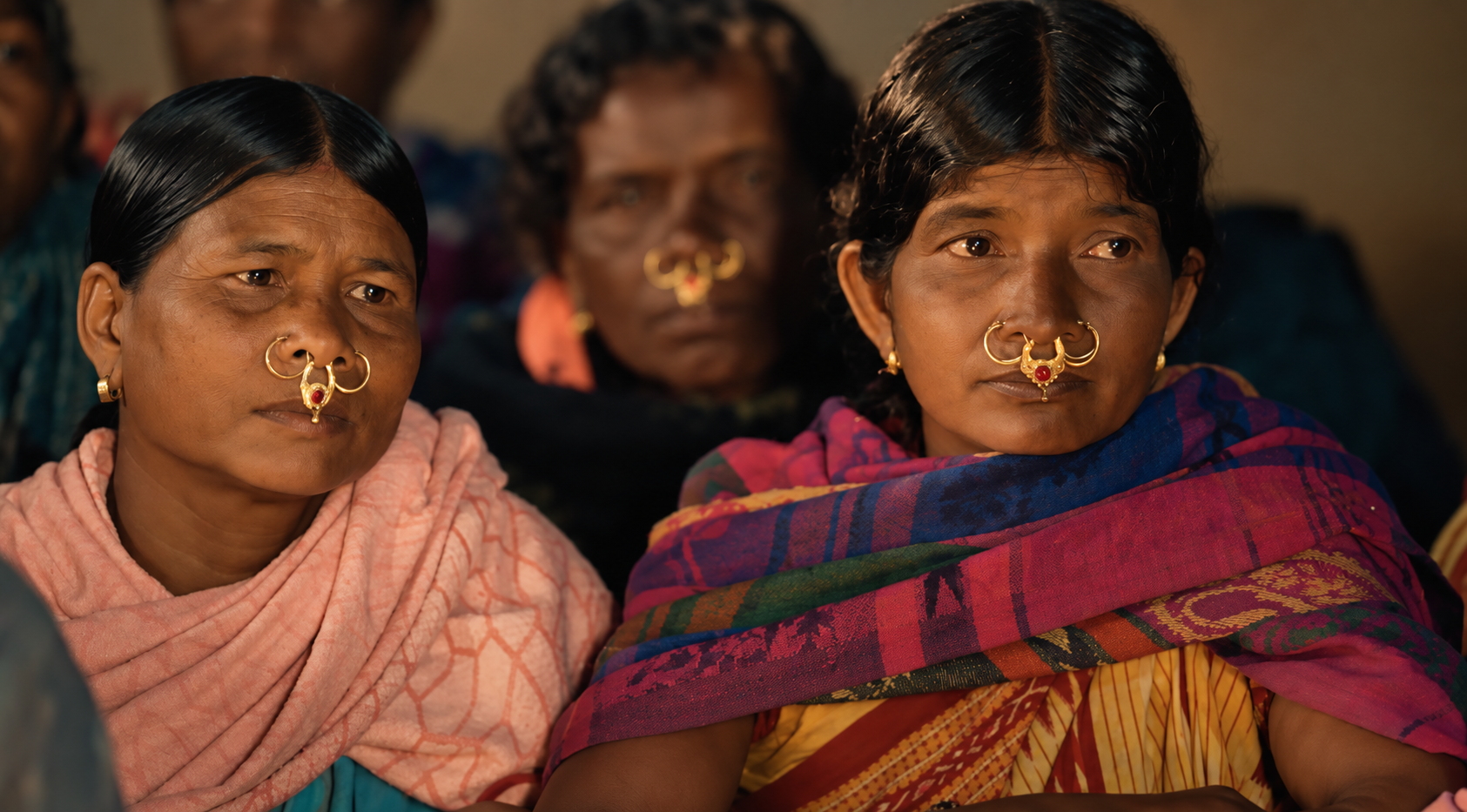
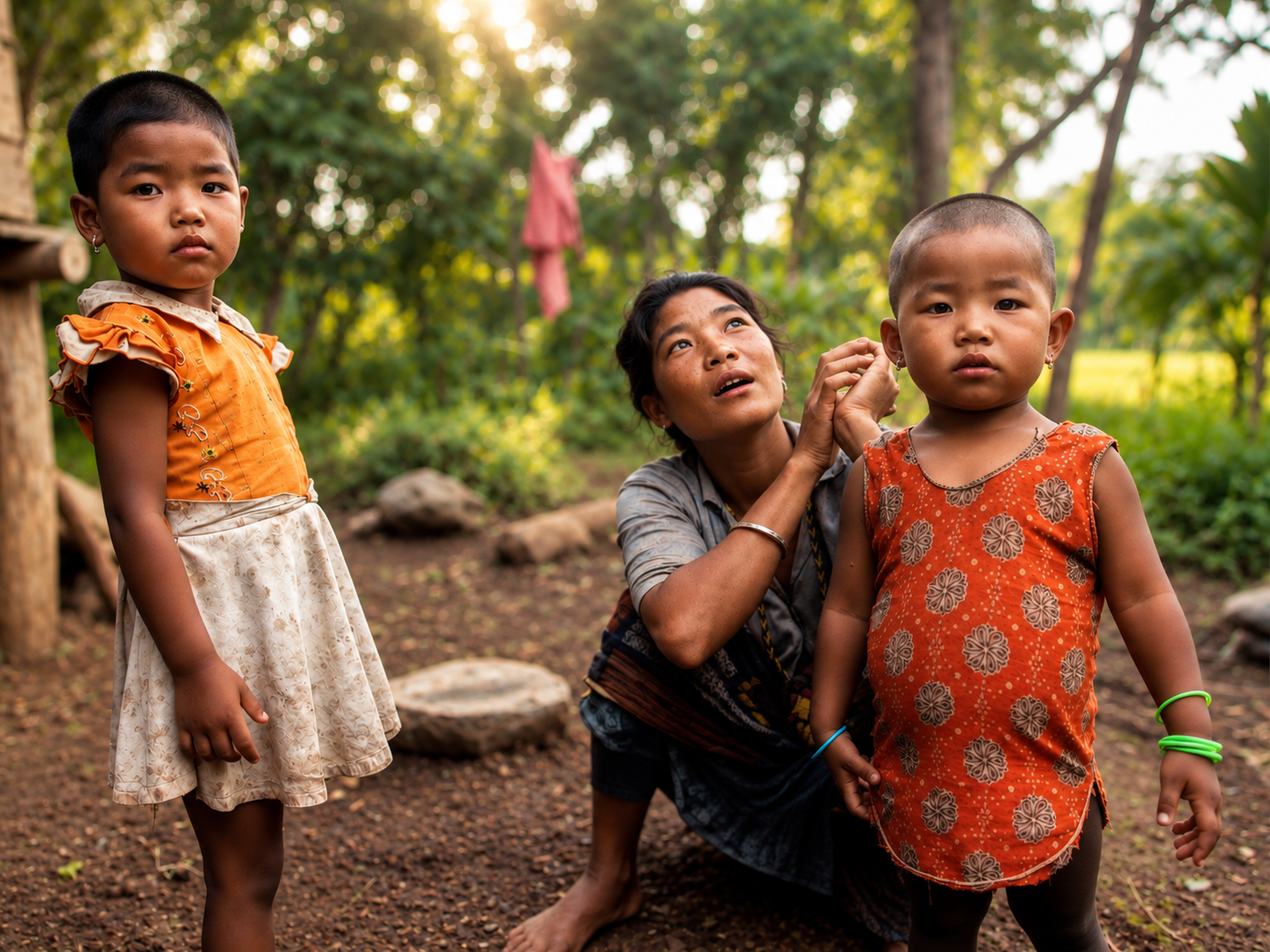
Prayog works the other way. Communities are co-researchers, not respondents. Findings go back in their own language before they are submitted anywhere, and everything we record goes into Vana-Varsity, open to all, so the knowledge stays within reach of the people it belongs to.
“Communities are co-researchers, not respondents.”

01How We Research
The community is the co-researcher.
- 01
Participatory Rural Appraisal (PRA)
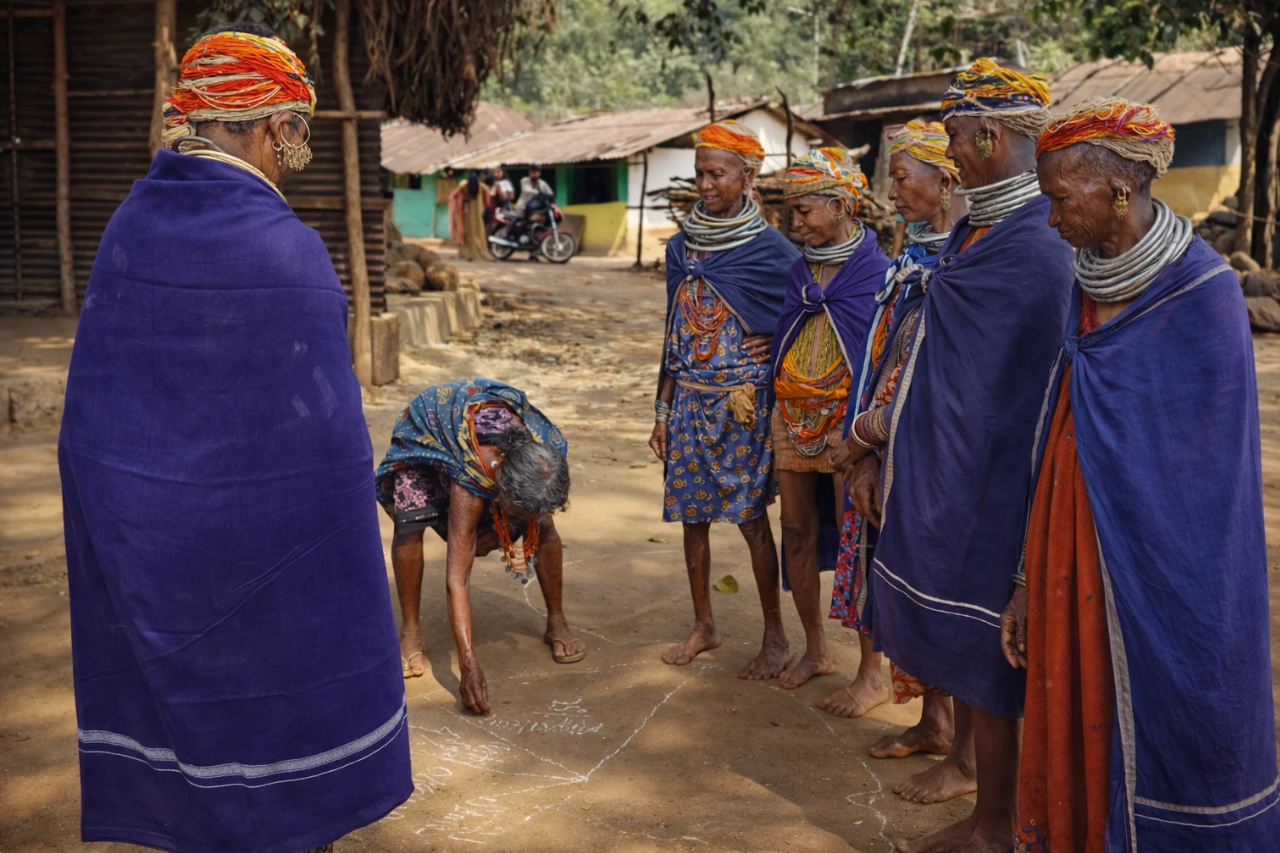
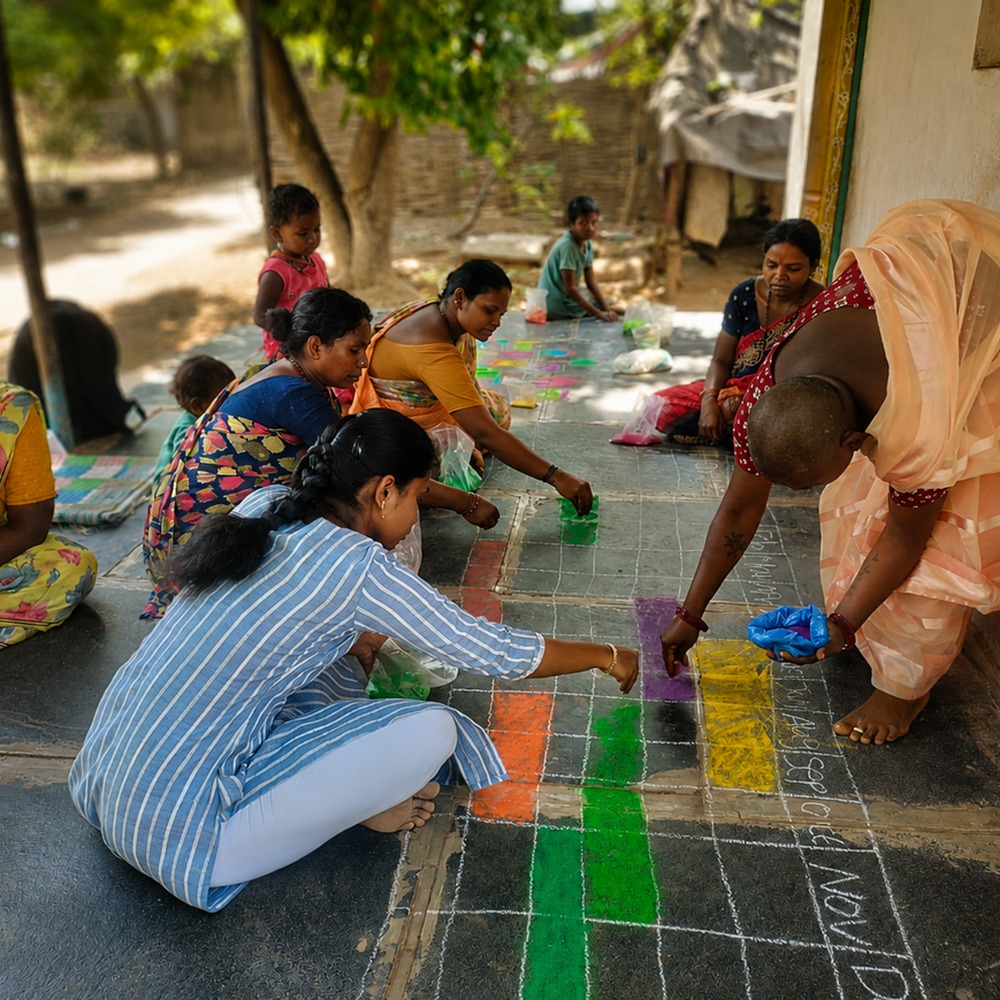
Mapping, ranking, seasonal calendars and transect walks, done by the community, on the ground, in their hands.
- 02
Participatory Action Research (PAR)
Research designed to produce an action, not only a finding.
- 03
Mixed methods
Household surveys, focus group discussions and key informant interviews alongside participatory tools.
- 04
Social Network Analysis
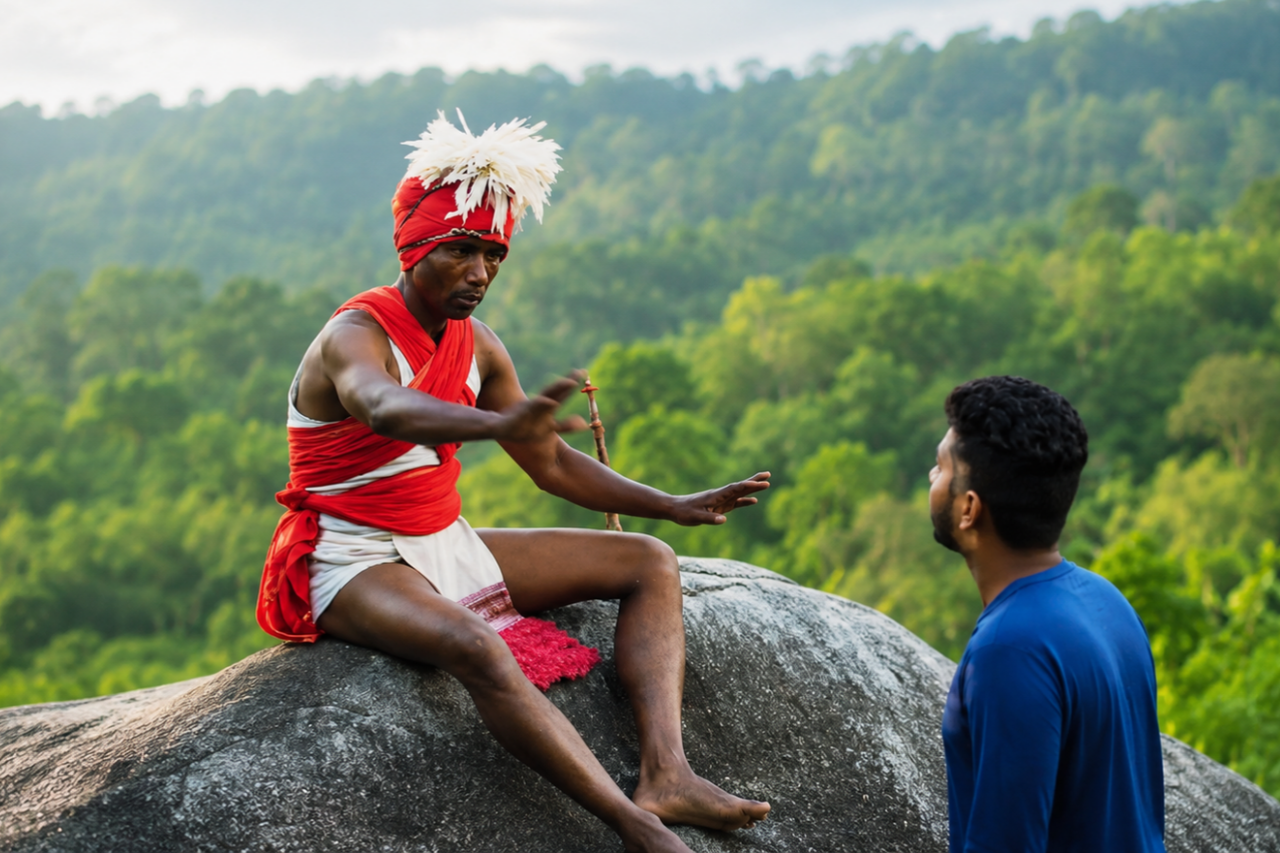
Mapping who actually holds knowledge and who it moves between.
The Rule
If a finding cannot be explained back to the village it came from, it is not finished.
Chambers on method. Freire on the conversation. Elwin on the ground.
02Participatory Innovation and Technology Development
Research, carried further.
- Field record
- Archive
- Voice / immersive learning
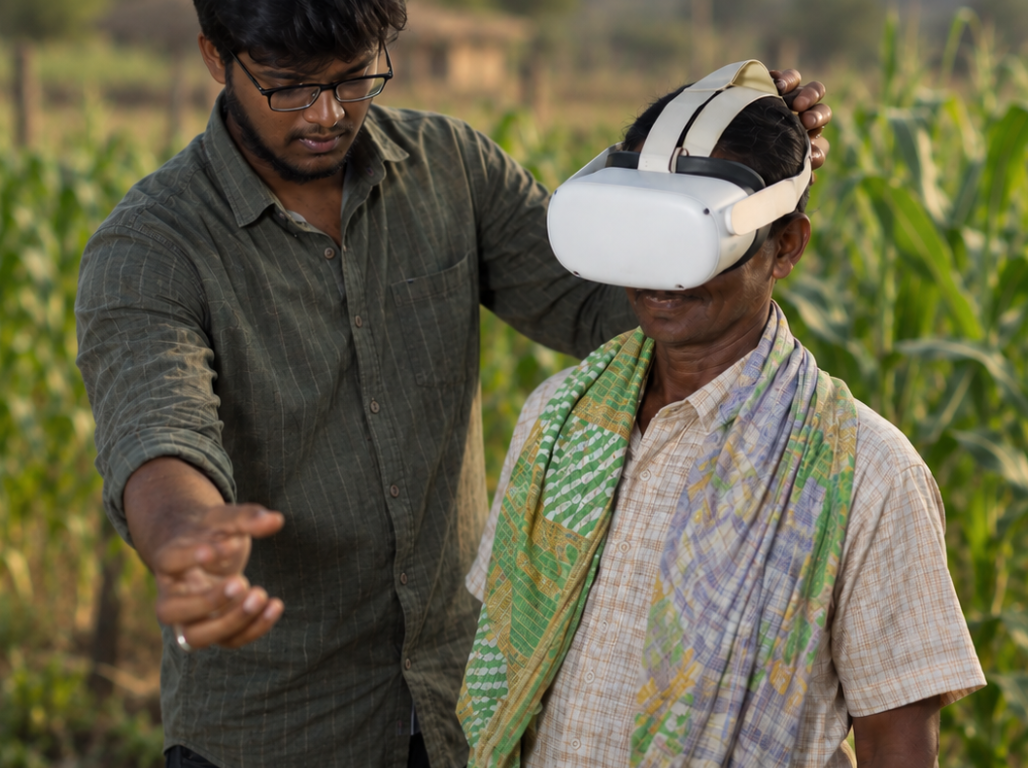
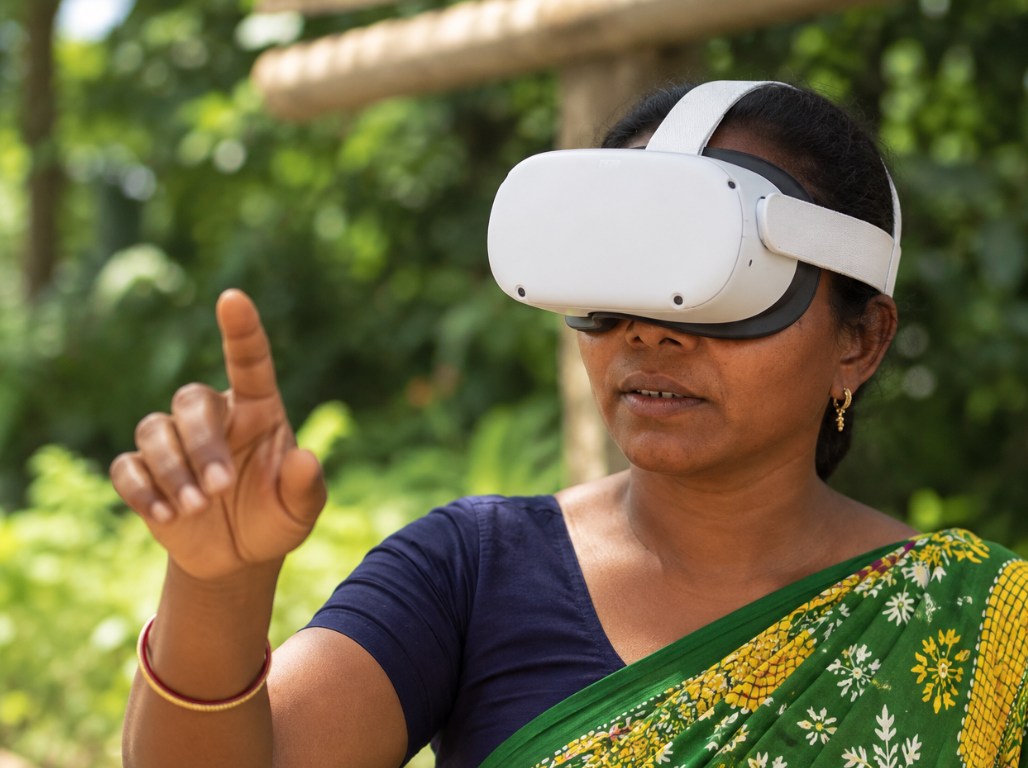
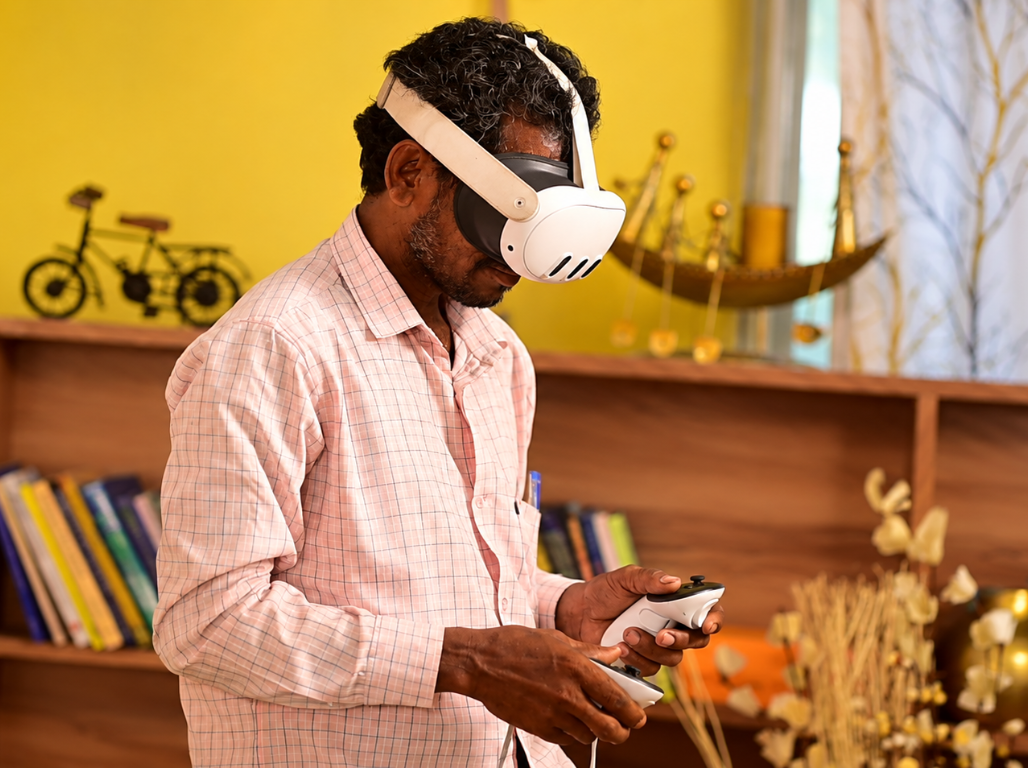
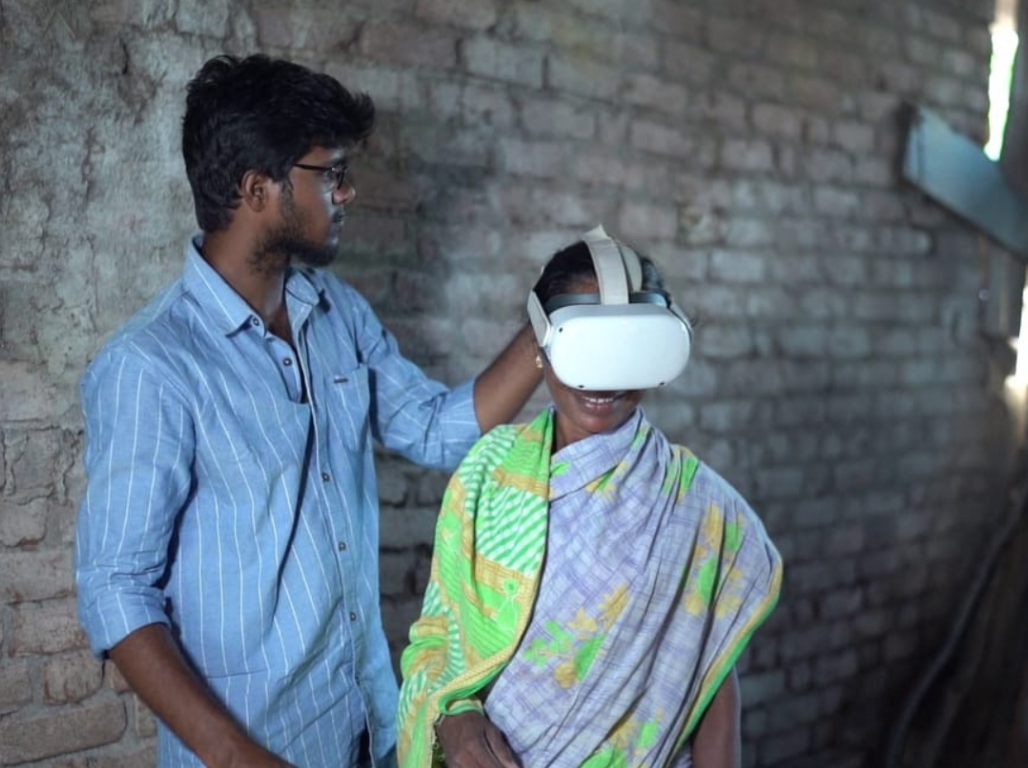
VanaDrishti VR
In collaboration with JCKTPIC & CUTM
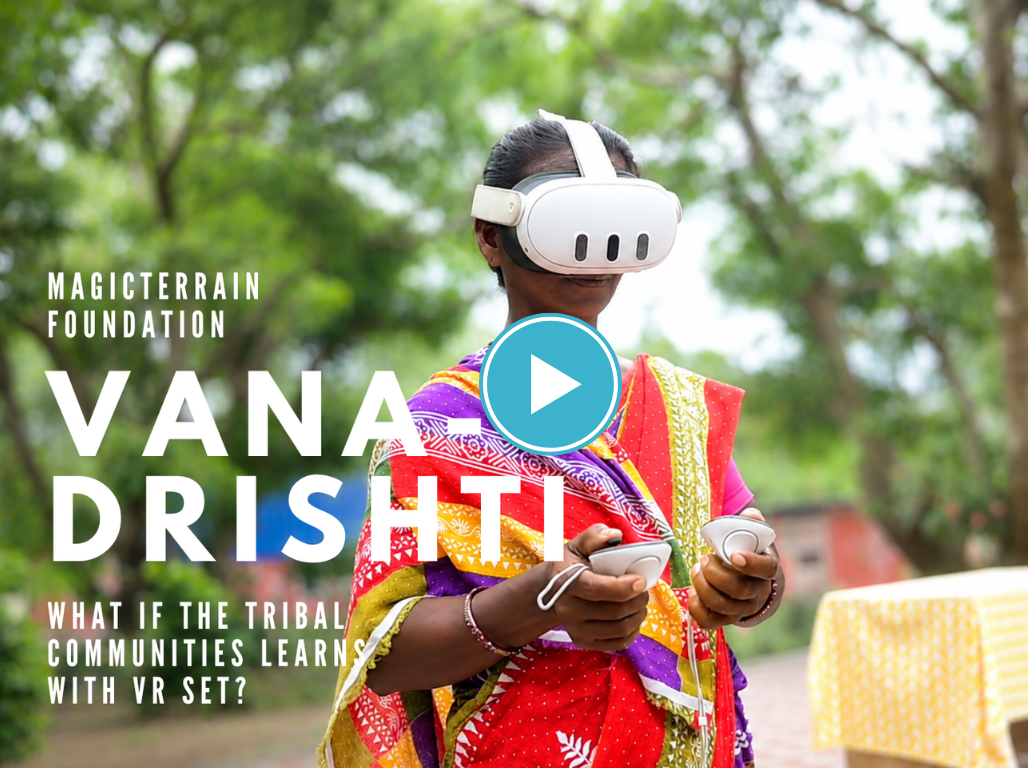
Film link coming soon
- 50
- Immersive training modules
Fifty immersive modules for what is dangerous, seasonal or expensive to demonstrate twice — a hive opened at the wrong moment, a roast taken too far, a harvest window missed. In VR the mistake costs nothing and can be repeated ten times.
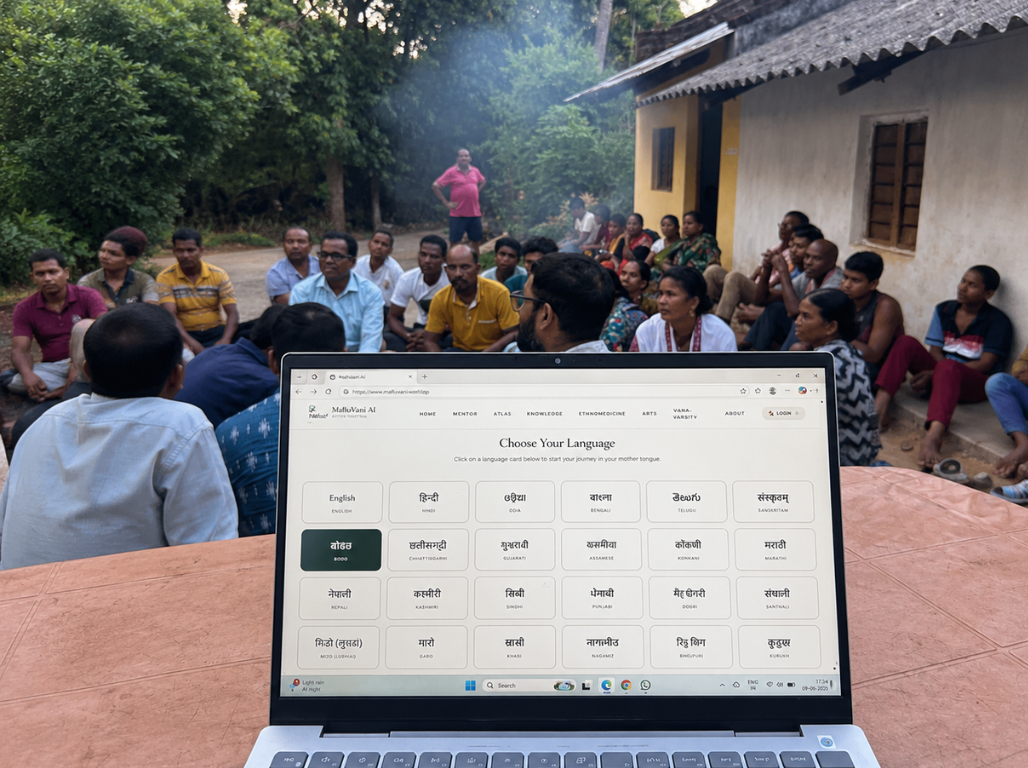
Mahul Vani AI
- 30+
- Tribal languages
- 10,000+
- Indigenous knowledge records
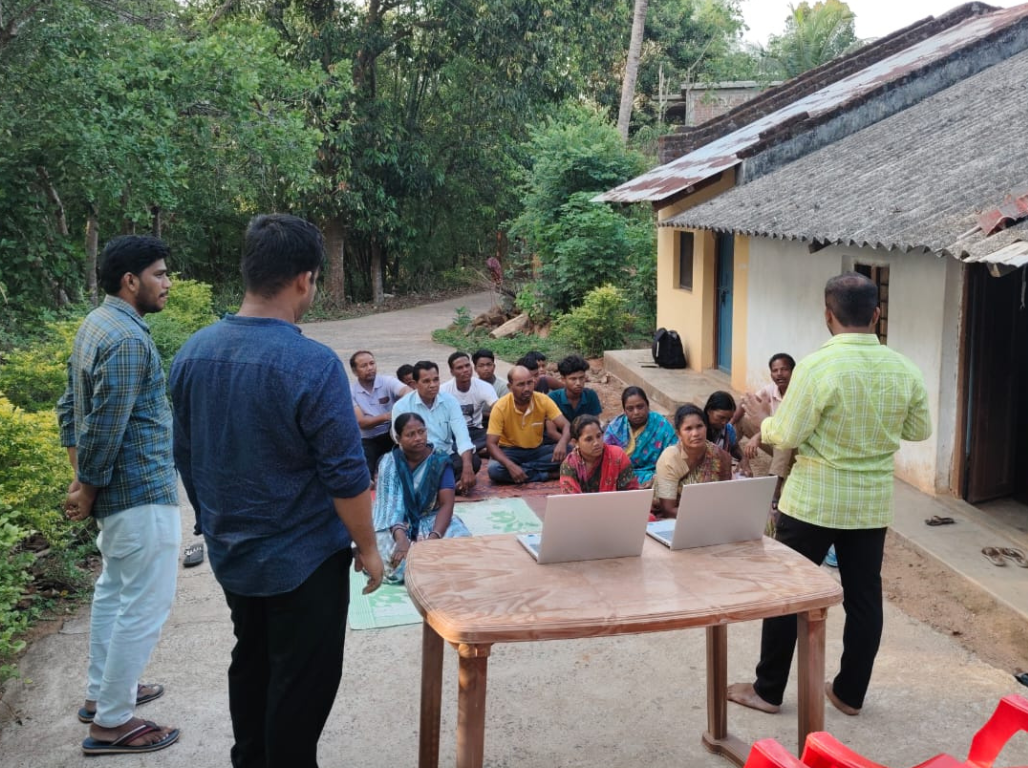
A vernacular voice assistant carrying hyper-local agricultural guidance, an archive of over a hundred thousand Indigenous Knowledge Systems, and image analysis — so a farmer can ask a question by speaking, in her own language, and get an answer without reading anything.
Two barriers usually keep agricultural advice away from the households that need it most: literacy and language. Mahul Vani removes both.
Read the article published in the Times of India(opens in a new tab)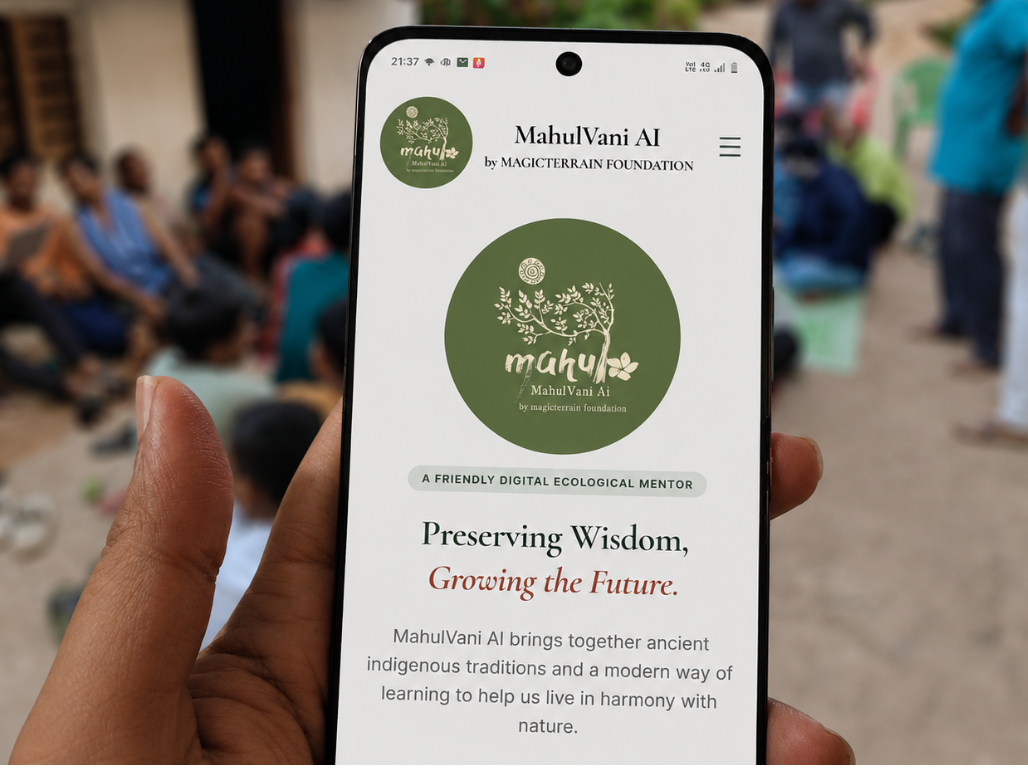
Why technology sits under Research, not on its own
Both platforms are built from what the archive holds. Without a hundred thousand records recorded with communities, Mahul Vani would be a chatbot with an Indian accent.
Co-researchers, not respondents.
03Community Research Network
Participatory research shaped through communities, knowledge and place.
MTF's research network connects 6,413 community members across 13 tribal community groups and four Indian states, bringing indigenous knowledge and community experience into collaborative research on agro-ecology, medicinal knowledge, Indigenous Technical Knowledge, livelihoods and culture.
- 6,413
- Community members
- 13
- Tribal community groups
- 4
- States
- 5
- Participatory research domains
Hover or tap a community, a state or a research domain to see how the network connects.
04What We Archive
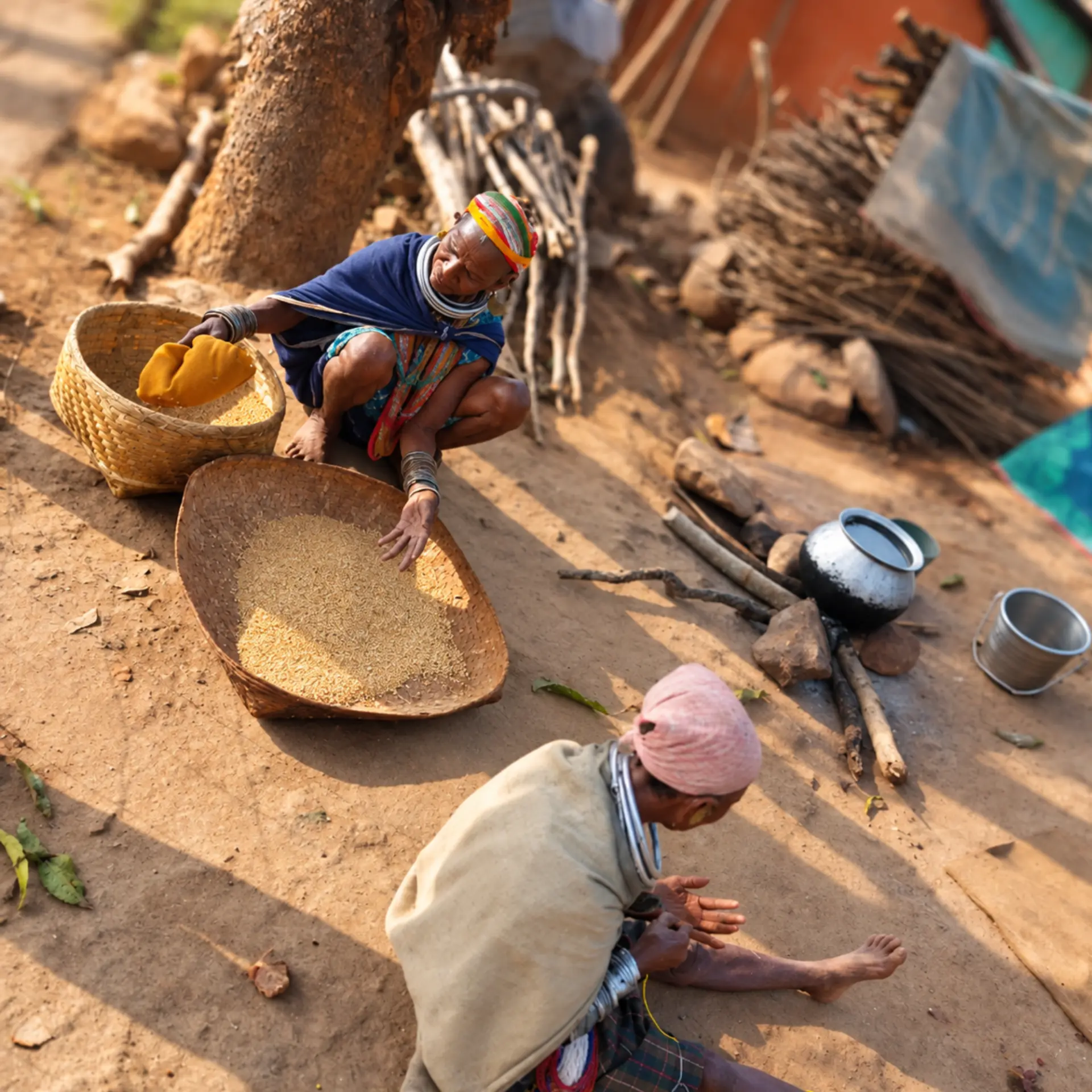
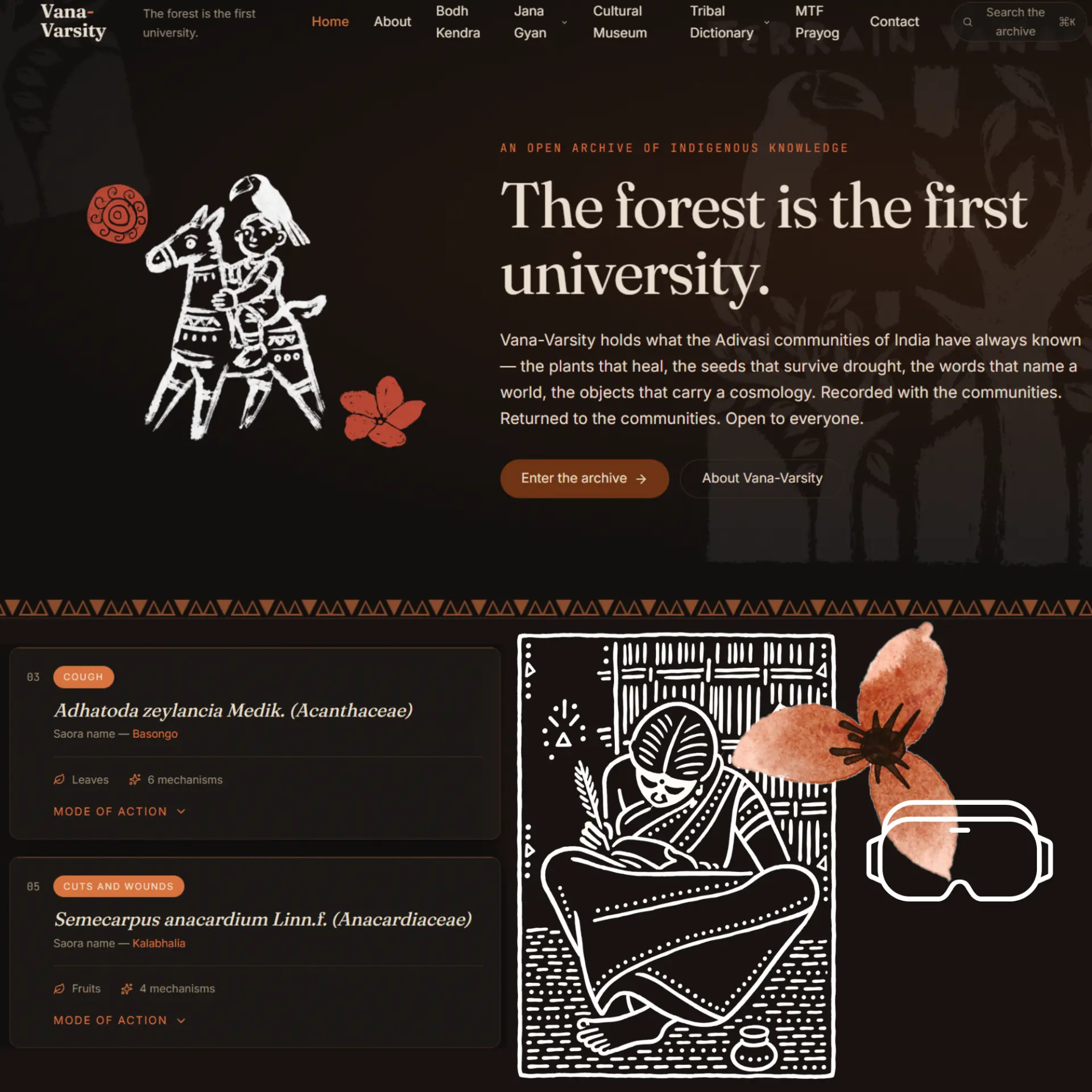
Over a 10,000 records, open to anyone.
10,000+
Indigenous knowledge records
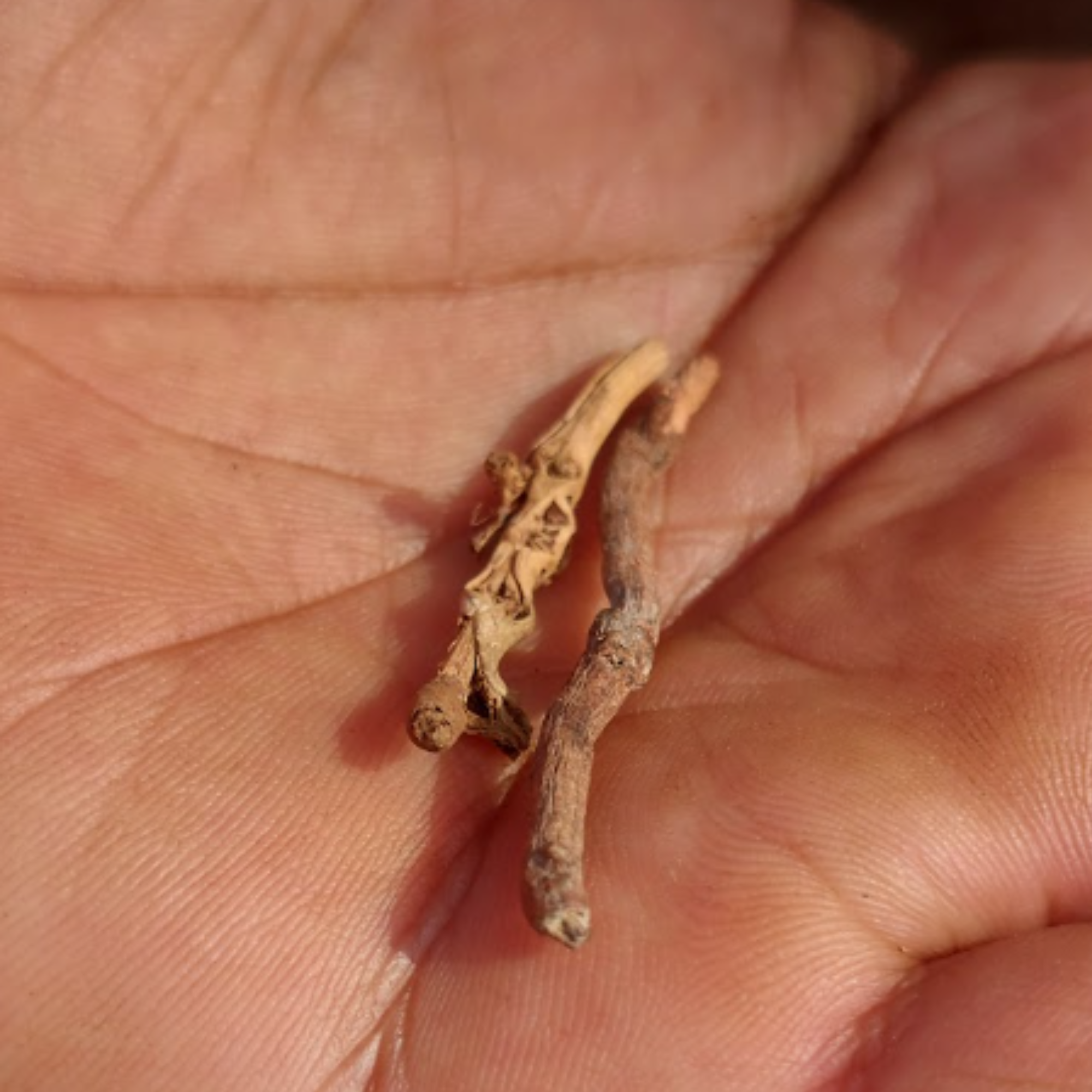
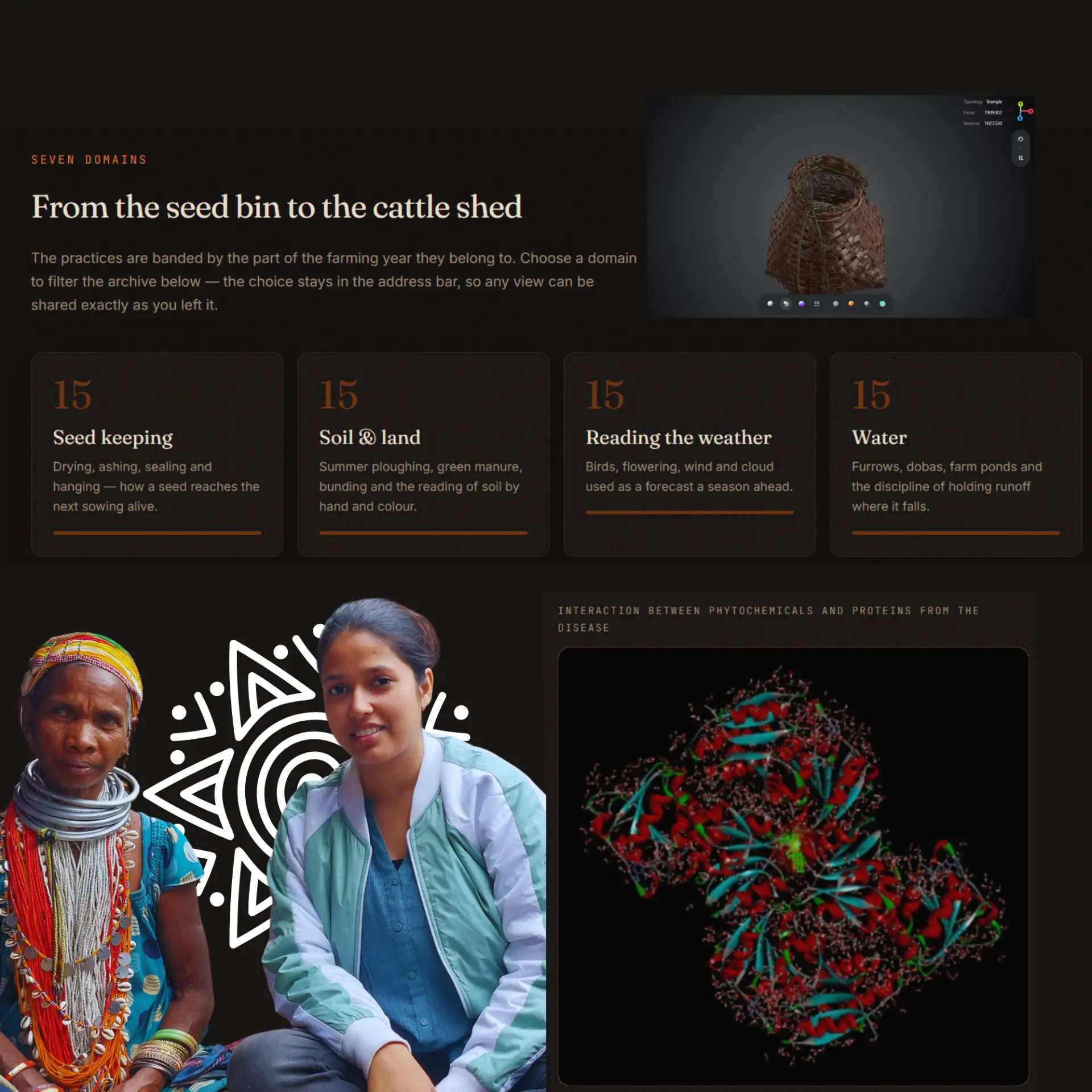
In-silico analysis of 500+ indigenous medicinal knowledge claims — plants named by healers and elders, run through computational screening to see how the traditional use holds up against what the molecules actually do.
The validation does not end in a database. Every claim carries the name of the person and the community it came from, recorded as the source of the knowledge, not as an anonymous informant. Where a finding is published, the credit travels with it.
- SEEDS
- FOODS
- CRAFT
- PRACTICES
- SONGS
- METHODS
- TOOLS
- LANGUAGE
05Publishing
Findings, returned and published.
- 01Explore Archive →(opens in a new tab)
Vana-Varsity
The open archive, first destination for everything recorded.
- 02Visit POCJ →(opens in a new tab)
POCJ
People, Origin, Community Journal. Quarterly, open access, peer-reviewed.
- 03
MTF Mudran
Our ISBN imprint, including the Participatory Earth Notebook series.
- 04
TIC Stories
Field stories in the voice of the field.
06Where Research Sits
Everything starts here.
- 01
Knowledge
- 02
Skill
- 03
Enterprise
- 04
Ownership
Prayog / Research
Annapurna
Agro-ecology models
Prayog / Research
Jeevika
Livelihood tracks
Prayog / Research
Vana-Prashikshana
Curricula
Prayog / Research
Vana-Varsity
Knowledge archive
Prayog is the first step of every other vertical. Annapurna's models come from agro-ecology research. Jeevika's livelihood tracks come from participatory resource assessment. Vana-Prashikshana's curricula come from what the archive already holds.
No MTF project begins with an assumption about what a village needs.

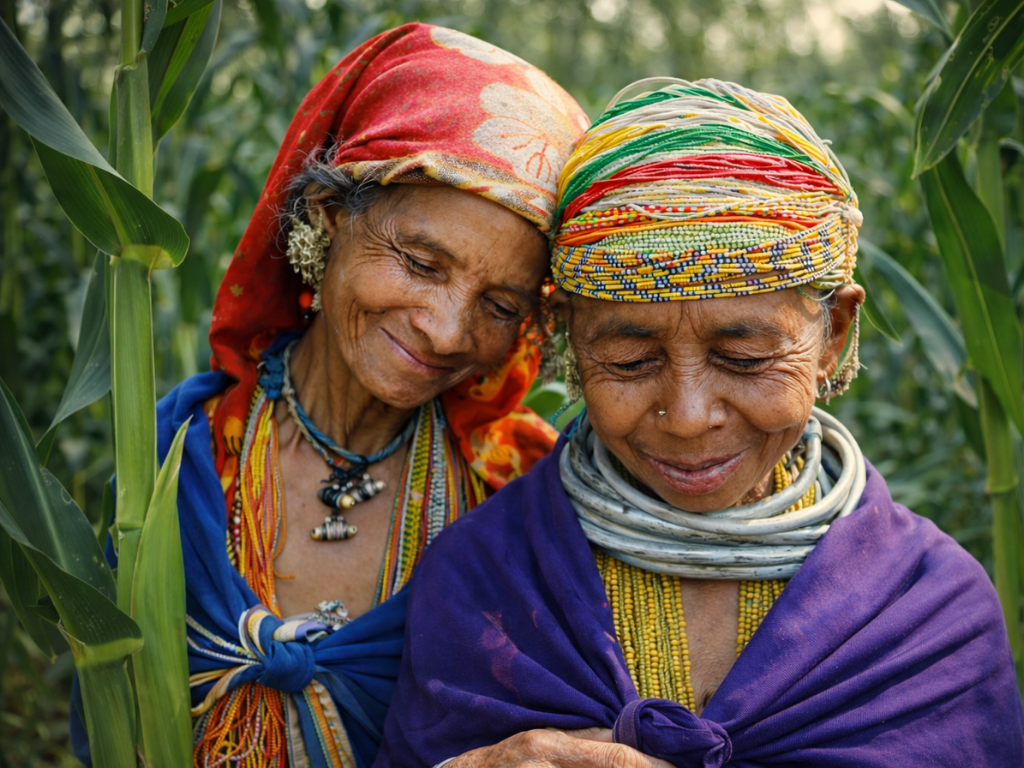
Co-researchers, not respondents.
- Ask together
- Record together
- Return it
- Open it