
Income
Households build a second income they can own, price and run.
- Annapurna
- Jeevika
- Vana-Prashikshana
- Karukriti
The objective is not simply employment. It is economic agency.
Theory of Change
We build an orbit around it.
MTF works from a simple proposition: lasting change does not come from solving one village problem at a time.
Income, rights, knowledge, learning, culture, institutions and ecology are connected. Our role is to bring these forces into alignment around the community — and gradually make ourselves unnecessary.
01 · The premise
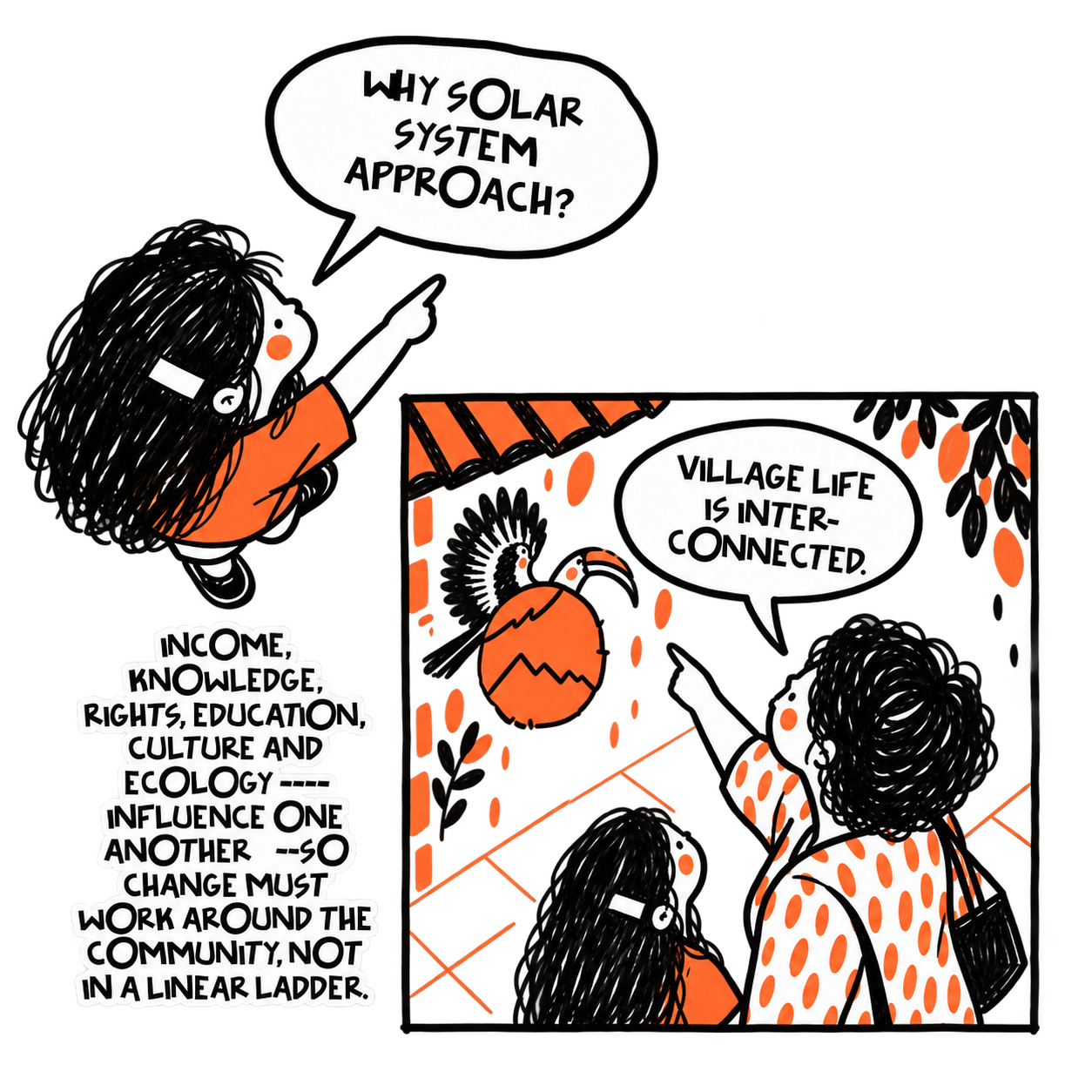
“India lives in her villages.”
— M. K. Gandhi
Gandhi said it nearly a century ago, and it still holds true. The distress migration of 2020–21 (during COVID-19) showed how much the country leans on its villages.
MTF starts from one conviction: the village already holds much of what it needs, and our work is to strengthen it, not replace it.
68.8%
India's population living in rural areas according to Census 2011.
6.4 lakh
Villages in India.
Villages are where India grows much of its food, holds its water, cares for its forests, preserves knowledge and speaks its many languages.
Yet much of the value created there leaves.
The question for MTF is not how to take people out of the village. It is how to make the village a place where people can build a future.
02 · The problem
It has several vulnerabilities that reinforce one another.
Leaves, crops, forest produce and skills leave the village as raw material. Higher-value products return from elsewhere.
When a single source of employment disappears, the household has little to fall back on.
People may have rights and entitlements on paper, yet remain excluded because systems are difficult to navigate.
When meaningful livelihoods disappear, young people leave — taking energy, skills and continuity with them.
Seeds, food traditions, medicines, craft practices, ecological memory and languages are rarely documented in ways communities can own and use.
Too often, development is designed for villages rather than with them.
03 · Three vulnerabilities
04 · The solar system
Development is often imagined as a sequence:
But village life does not happen sequentially.
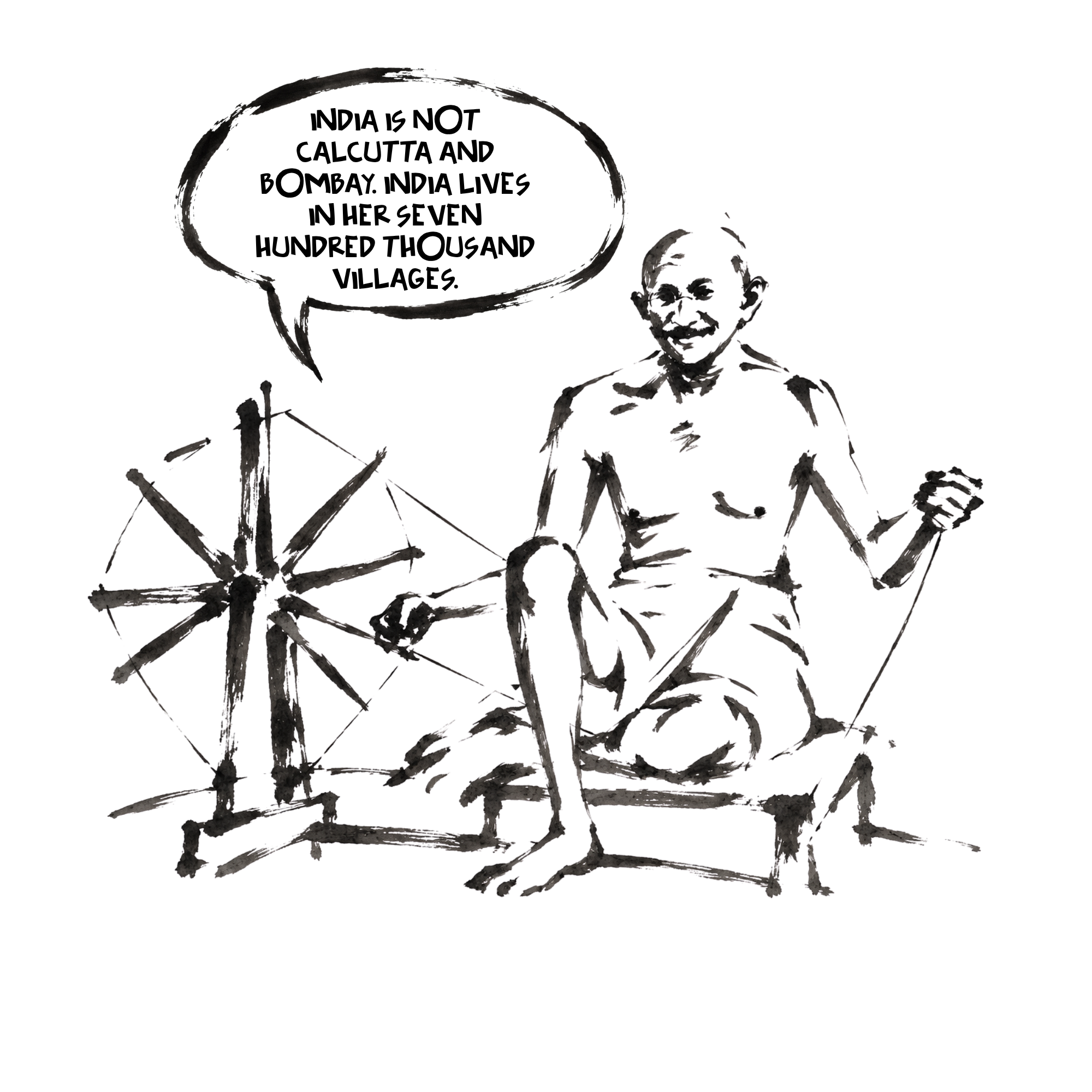
Development often treats the village as a bottom rung, something to climb up and out of toward the city. But a village is a living whole in which soil, water, forest, food, work, craft, knowledge and community all depend on one another. Pull one thread and the rest move with it. That is why MTF works across all of them together, not one at a time.
So MTF uses another metaphor: a solar system.
Our Work
Each vertical is a way of walking with the community. Explore each one.
At the centre: the community's own knowledge, experience and collective intelligence — made accessible through Vana-Varsity.
The planets orbit side by side; none sits above another.
The community holds the system together.
A project brings together two or more planets around one place and one primary outcome.
MTF helps set the system in motion. Then we step back.
Every Bodh Kendra is designed for handover to the community within five years.
09
Our method was not invented in isolation. It grew from ideas that placed the village, its knowledge, its culture and its people at the centre.
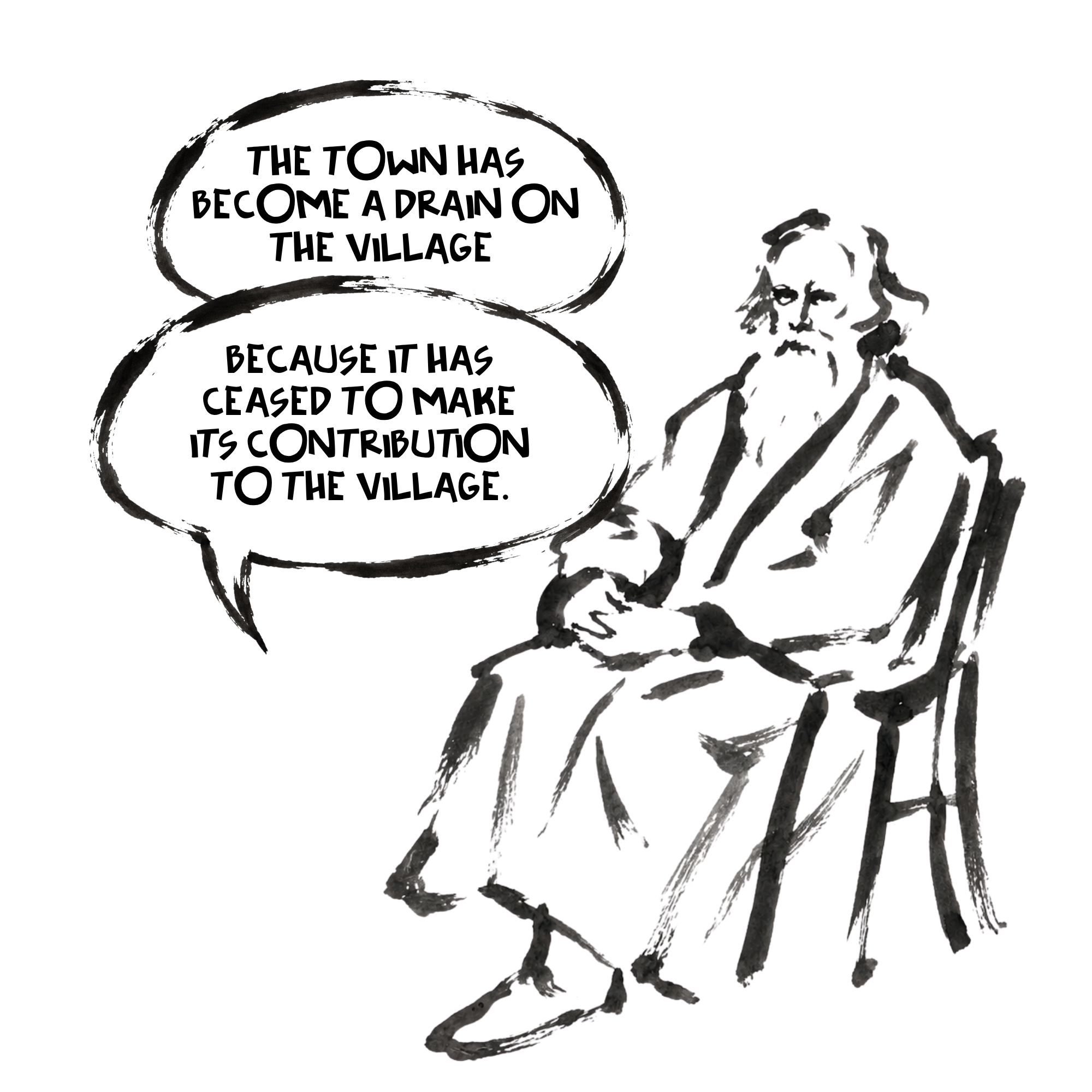
01Village economy
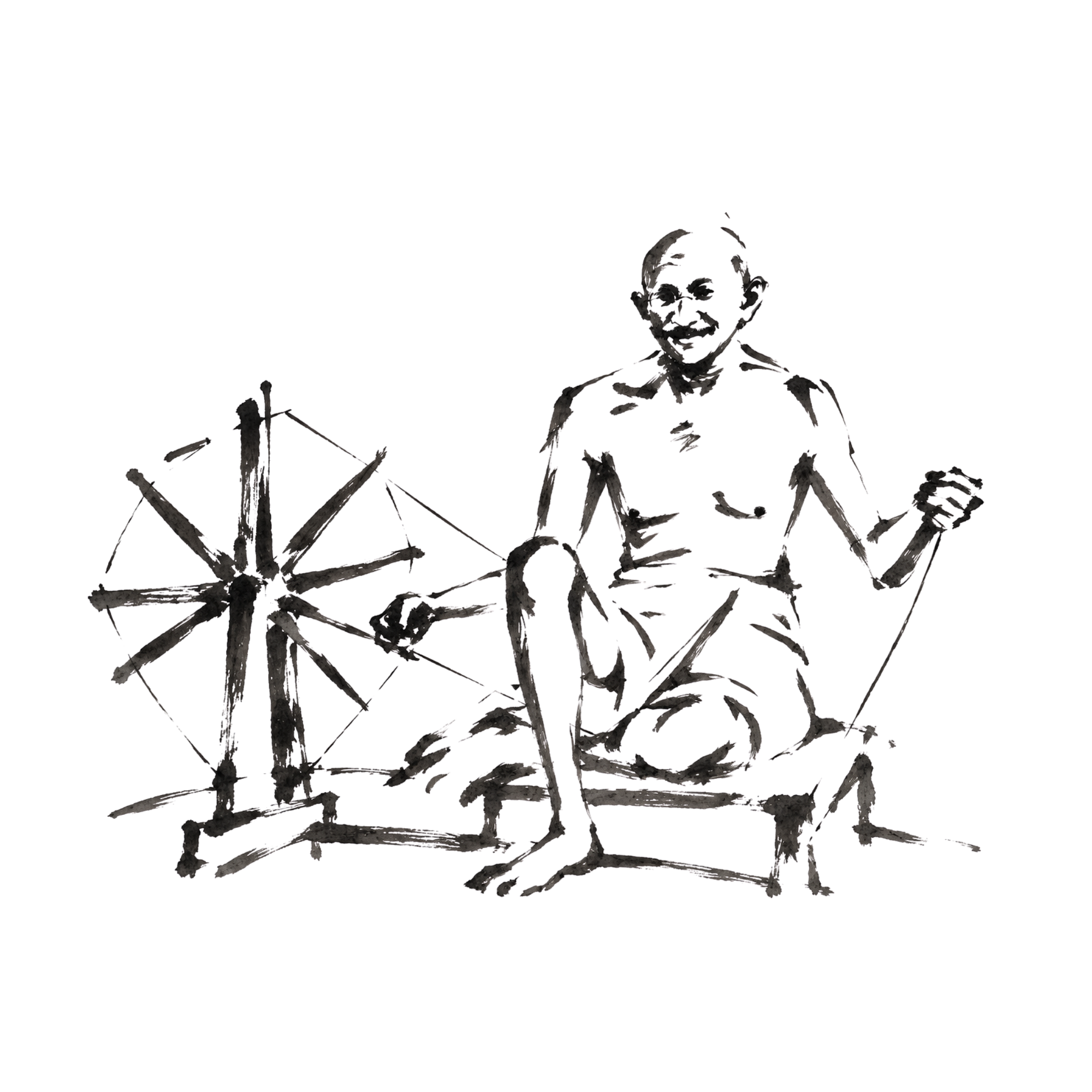
Village as republic
“Self-rule begins in the village.”
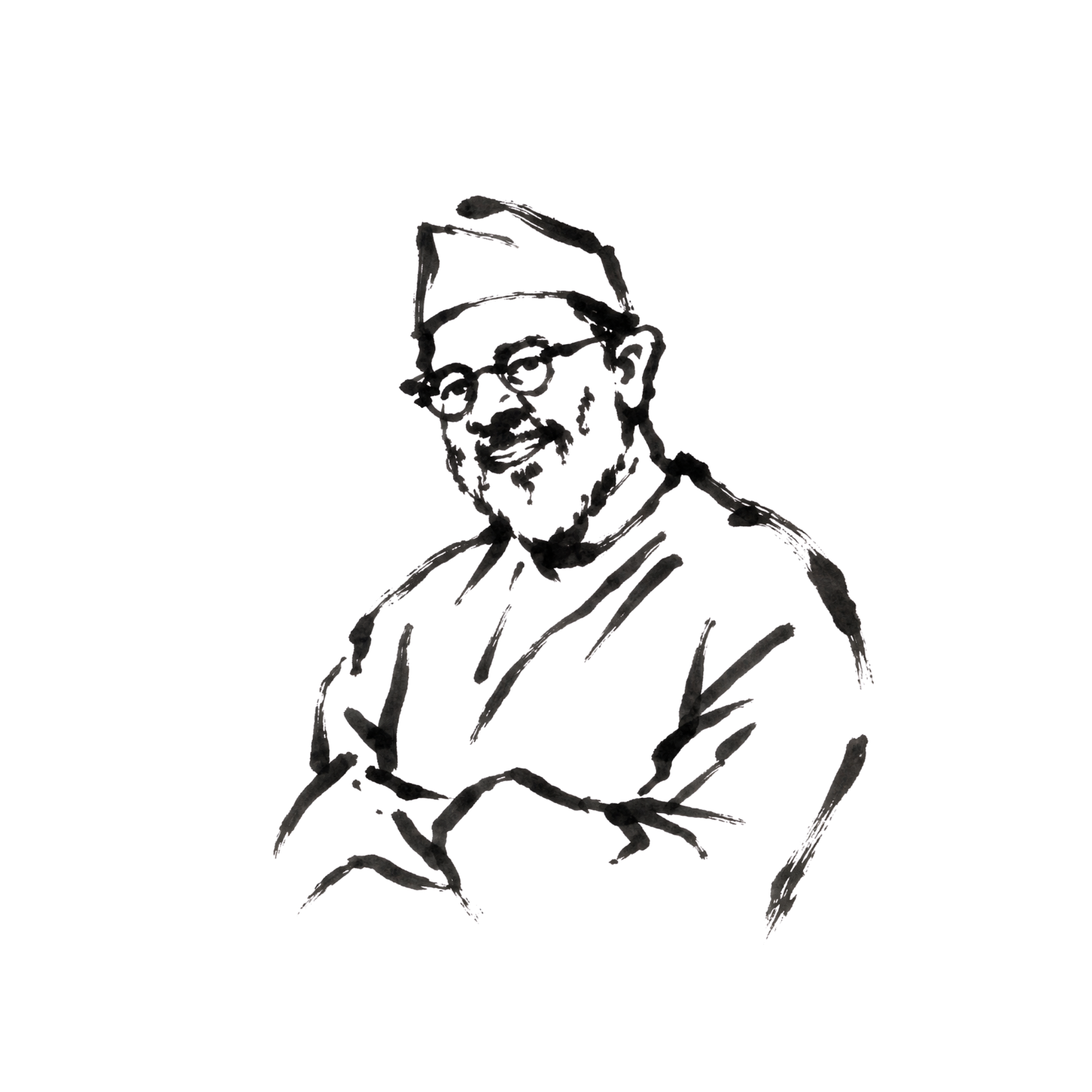
Economy of permanence
“Production must remain close to people and within what nature can renew.”
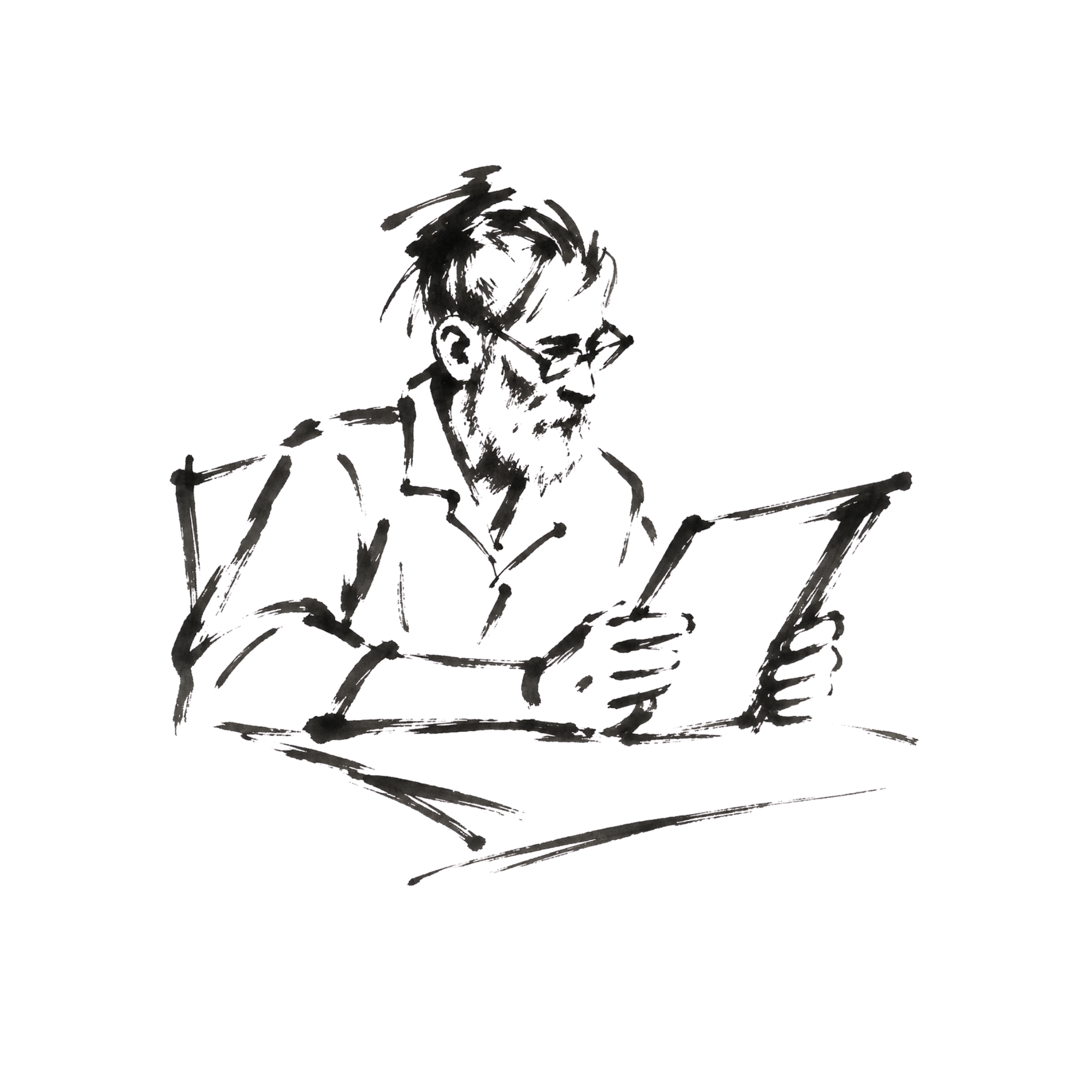
Science made local
“Science matters when it becomes useful to people's lives.”
02Life already whole
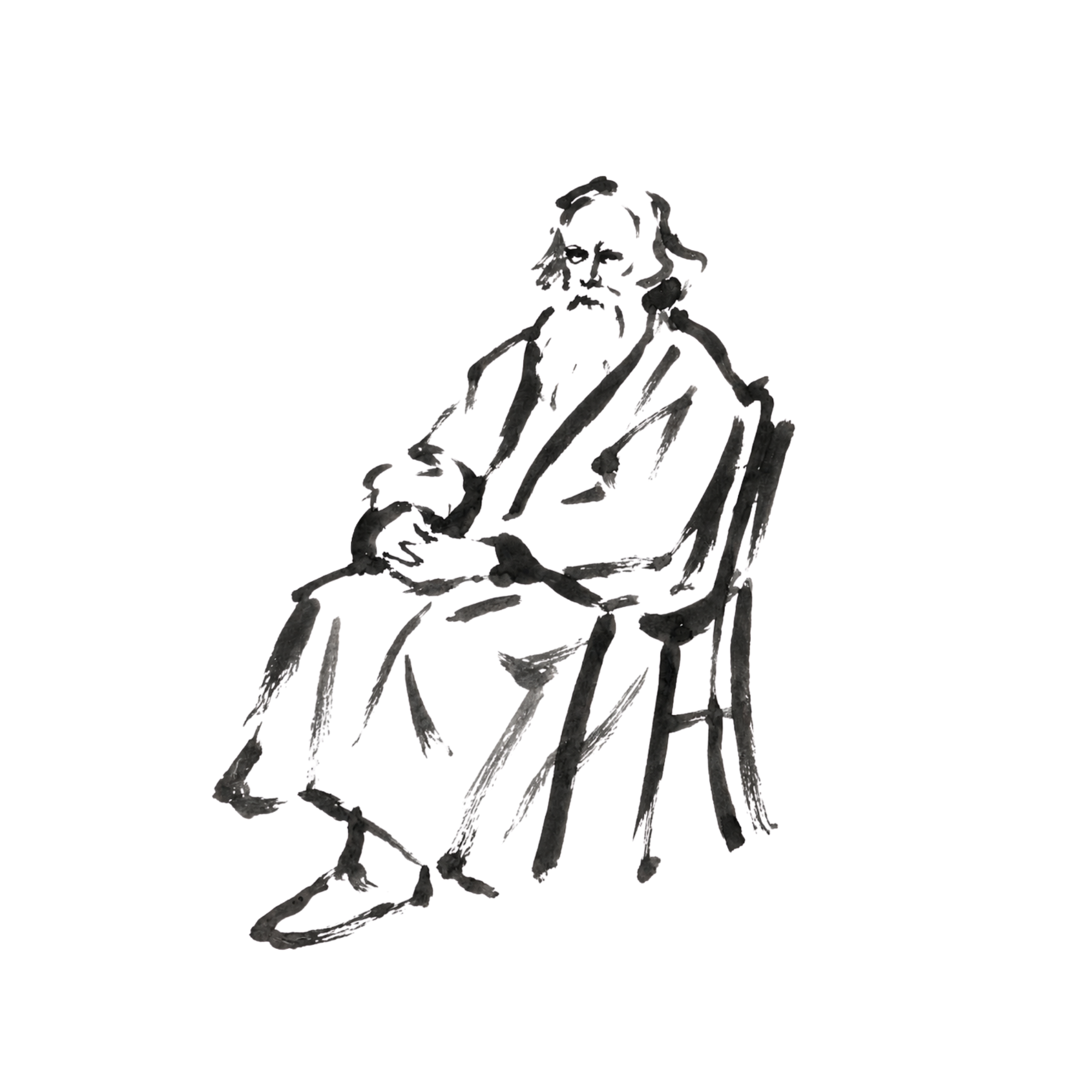
Rebuild from within
“Rural renewal must emerge through the participation of villagers themselves.”
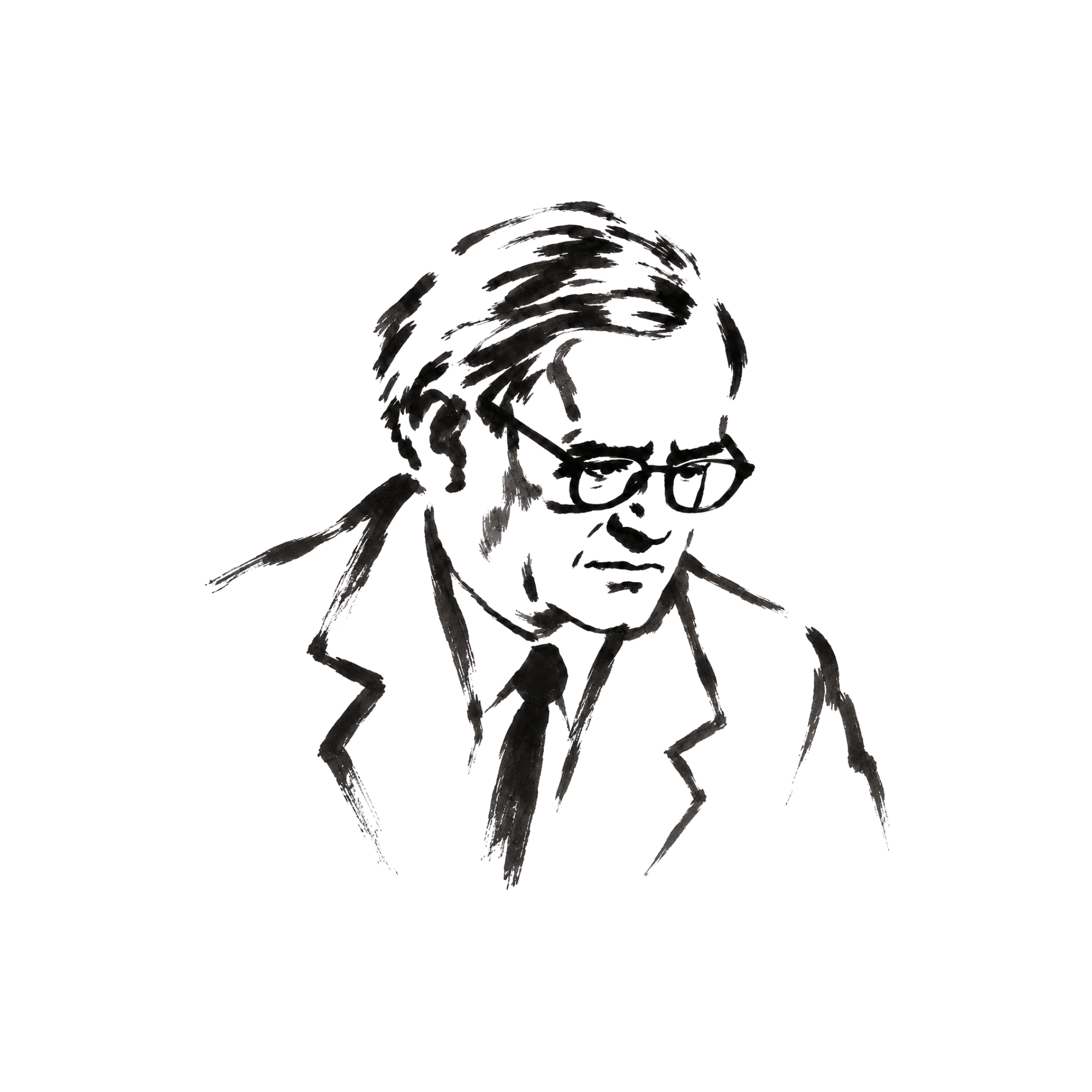
Tribal life complete
“Tribal communities must be understood on their own terms.”
03Learning from below
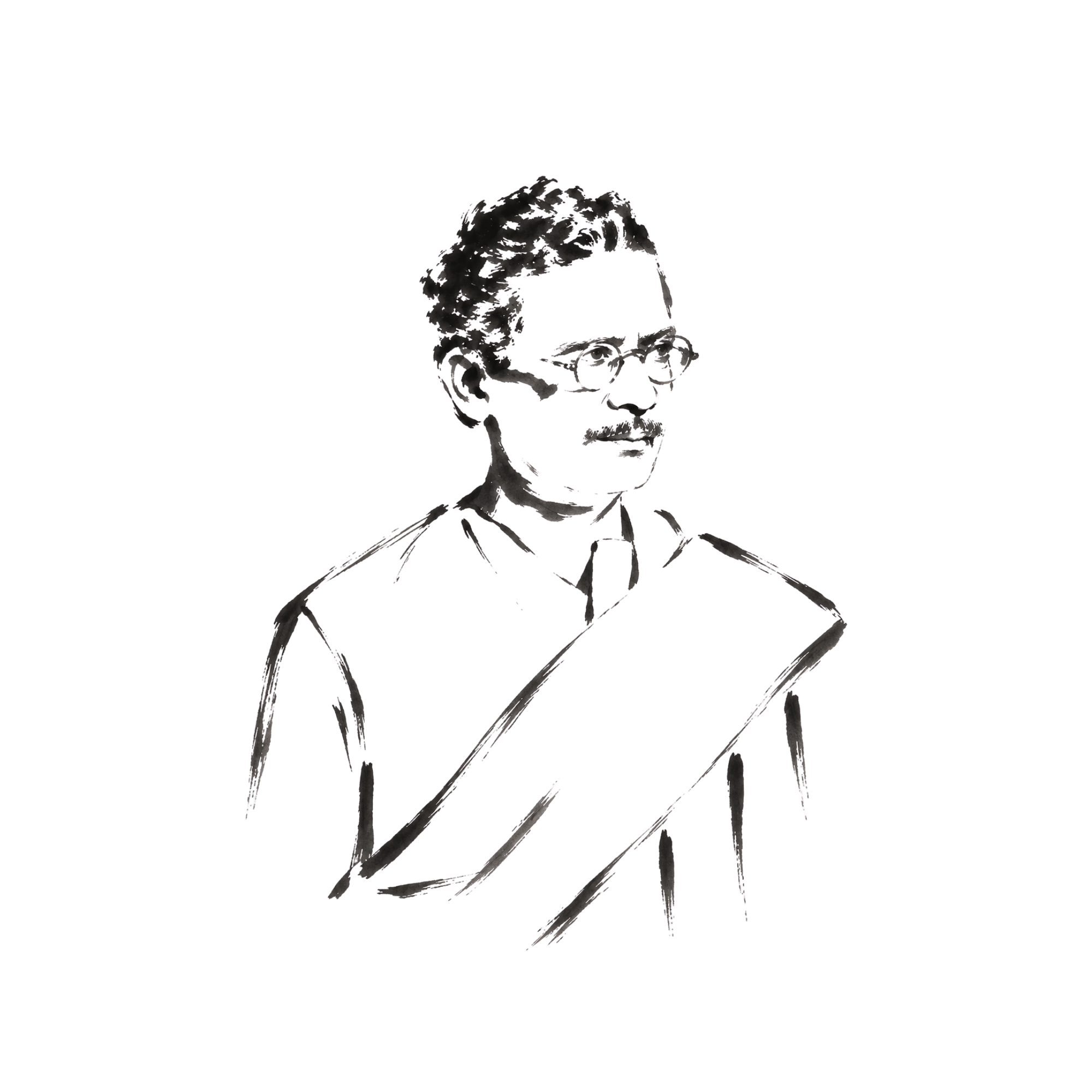
Visual storytelling
“Art belongs to the hand that makes it — and can become a way of learning.”
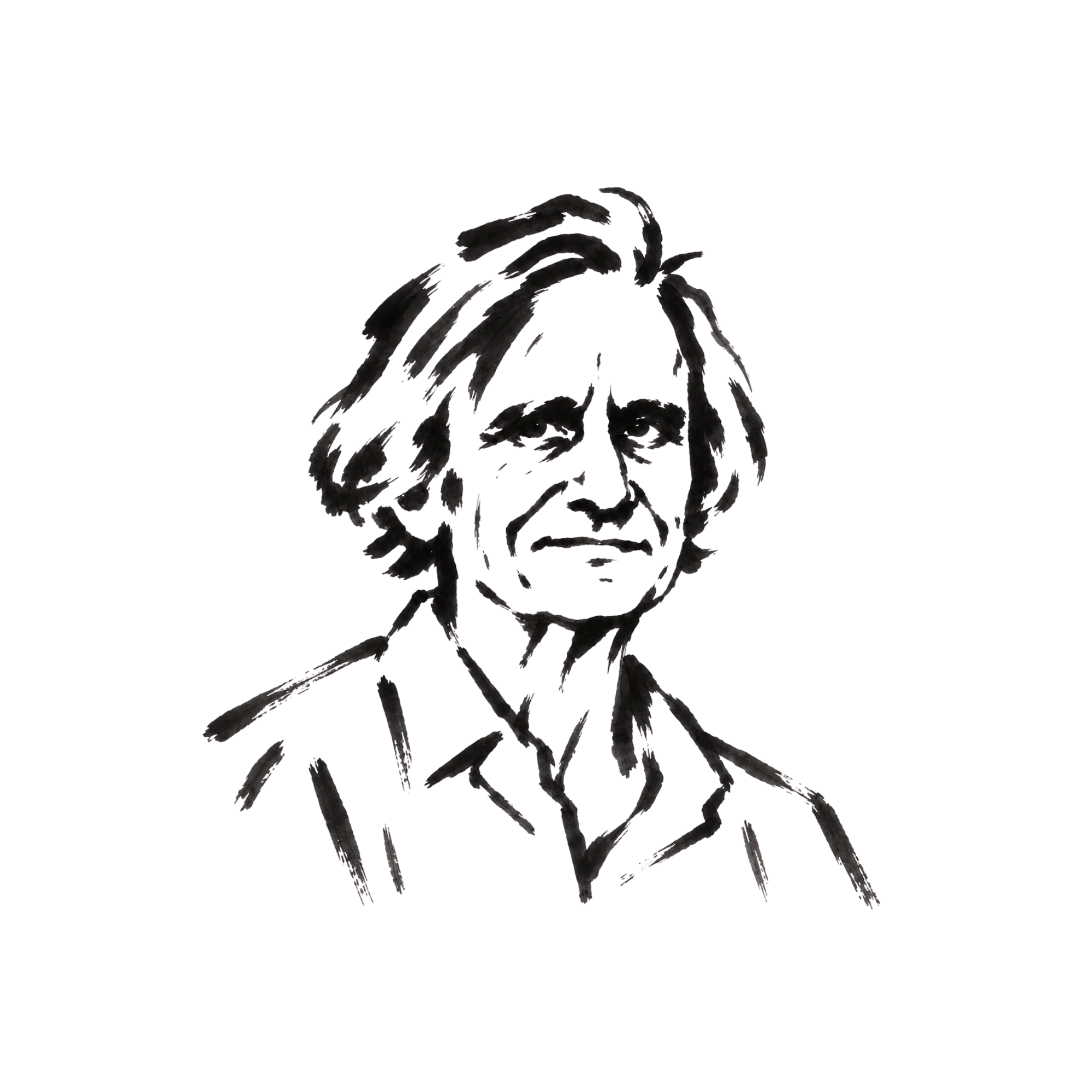
Whose reality counts
“Those who live the reality often know it best.”
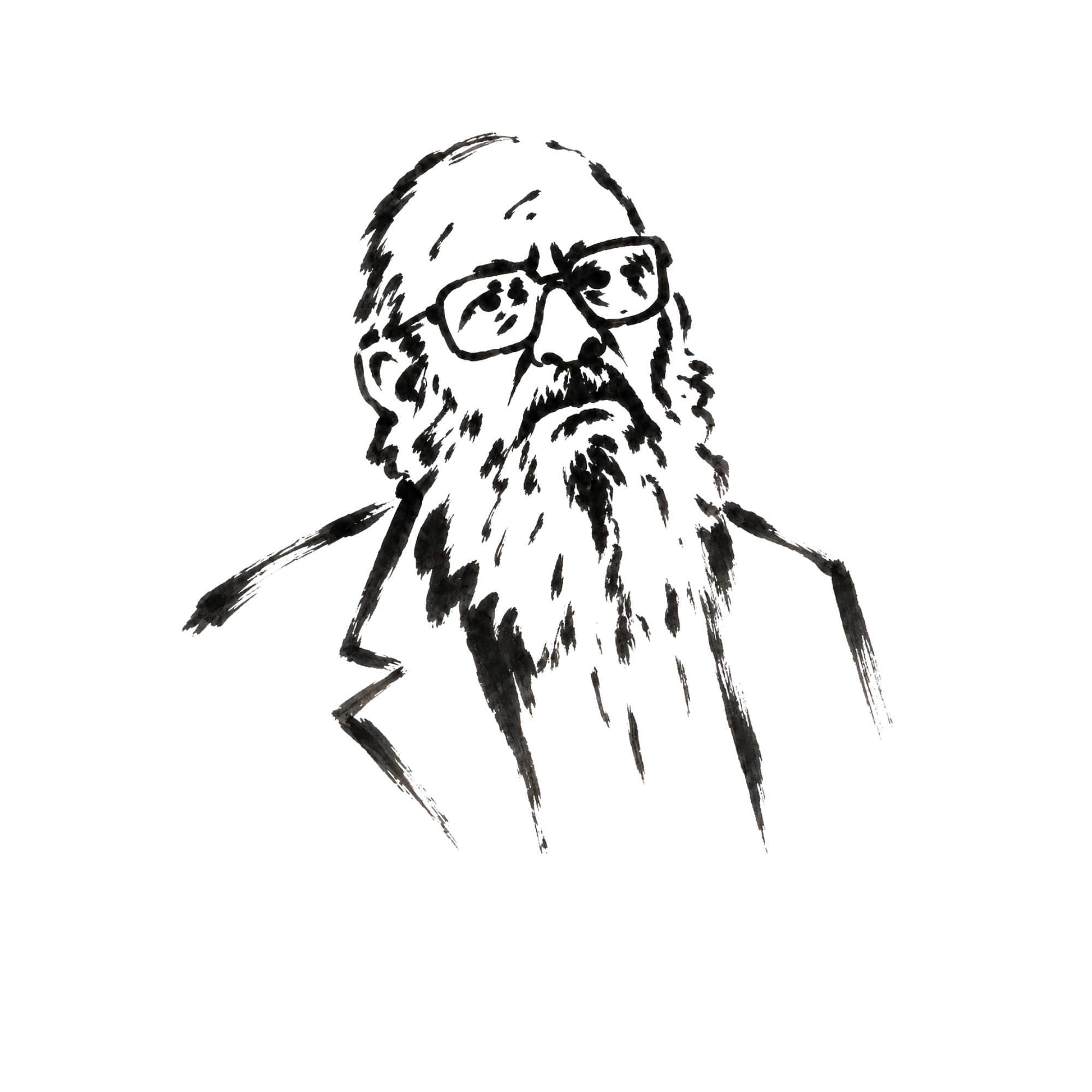
Dialogue, not deposit
“People read the world before they read the word.”
Where they meet
MTF's Method
“Assembled, not invented.”
Into practice
Vana-Varsity
& the eight verticals
Full names
None of them told us what to do in Dheklapara.
All eight told us where to stand while we found out.
05 · How change happens
People gain access to methods, technology, knowledge, markets, people and resources.
We appraise, map, train, document, converge and transfer.
People gain the capability to do something they could not previously do.
The original problem begins to change from within.
The resulting change becomes part of a larger process of transformation.
We contribute to impact.
We do not claim it alone.
A training conducted.
A person who can now train another person.
The distinction matters. We measure change not simply by what MTF does, but by what people can continue doing without MTF.
06 · Three pathways to change
Households build a second income they can own, price and run.
The objective is not simply employment. It is economic agency.
What households are legally due continues arriving after we leave.
The objective is not dependency on an intermediary. It is the ability to access, claim and sustain one's rights and entitlements.
Knowledge is documented, credited and put to use — and institutions become locally owned.
The objective is not simply documentation. It is knowledge ownership and institutional continuity.
One project.
One outcome.
A project may contain several components. But it has one primary outcome. Everything else is treated as an enabling condition — not another claim of impact.
07 · How a planet is formed
The community maps first.
One or two planets. One place. One outcome.
Outside trainers in Year 1. Village trainers from Year 2.
The community holds the assets and the records.
The institution belongs to the community. The Bodh Kendra is designed for community handover at the end of five years.
08 · Outcome
Families in forest-fringe and closed-plantation villages have diversified income, access to entitlements, stronger capabilities, documented knowledge and locally owned institutions.
Impact
A village where value stays.
Where knowledge moves between generations.
Where young people can imagine a future without having to leave.
Where institutions are owned locally.
Where each generation starts with more choices, more knowledge and stronger foundations than the last.
10 · What we test
We make ours visible so that we can test them, learn from them and change course when evidence tells us to.
Households will take up a second income if it begins generating value within one cycle.
Much exclusion is administrative, and patient follow-up can close the gap.
Village trainers can acquire the capability to train others within two years.
Five years can be sufficient for a community to operate its own institution.
A viable local income can expand people's ability to choose whether to stay.
These are not promises. They are propositions we are willing to test.
11 · What we don't do
We don't
Do what a community can already do for itself.
We don't
Run a programme without a handover date.
We don't
Record knowledge without consent and credit.
We don't
Design before the community has mapped its own situation.
We don't
Claim impact that we can only contribute to.
Explore the complete framework, pathways, assumptions and implementation logic behind MTF's work.
MTF Theory of Change · Method, Pathways, Assumptions & Practice