
MTF Annapurna · Agro-Ecology & Food Security
MTF Annapurna —Nourishing Land and Lives
From research to field, growing food security with communities.
Know the Vertical
Know About MTF Annapurna
Under this vertical, all agro-ecology and food security work of MAGICTERRAIN FOUNDATION comes together.
Rooted Before Registration
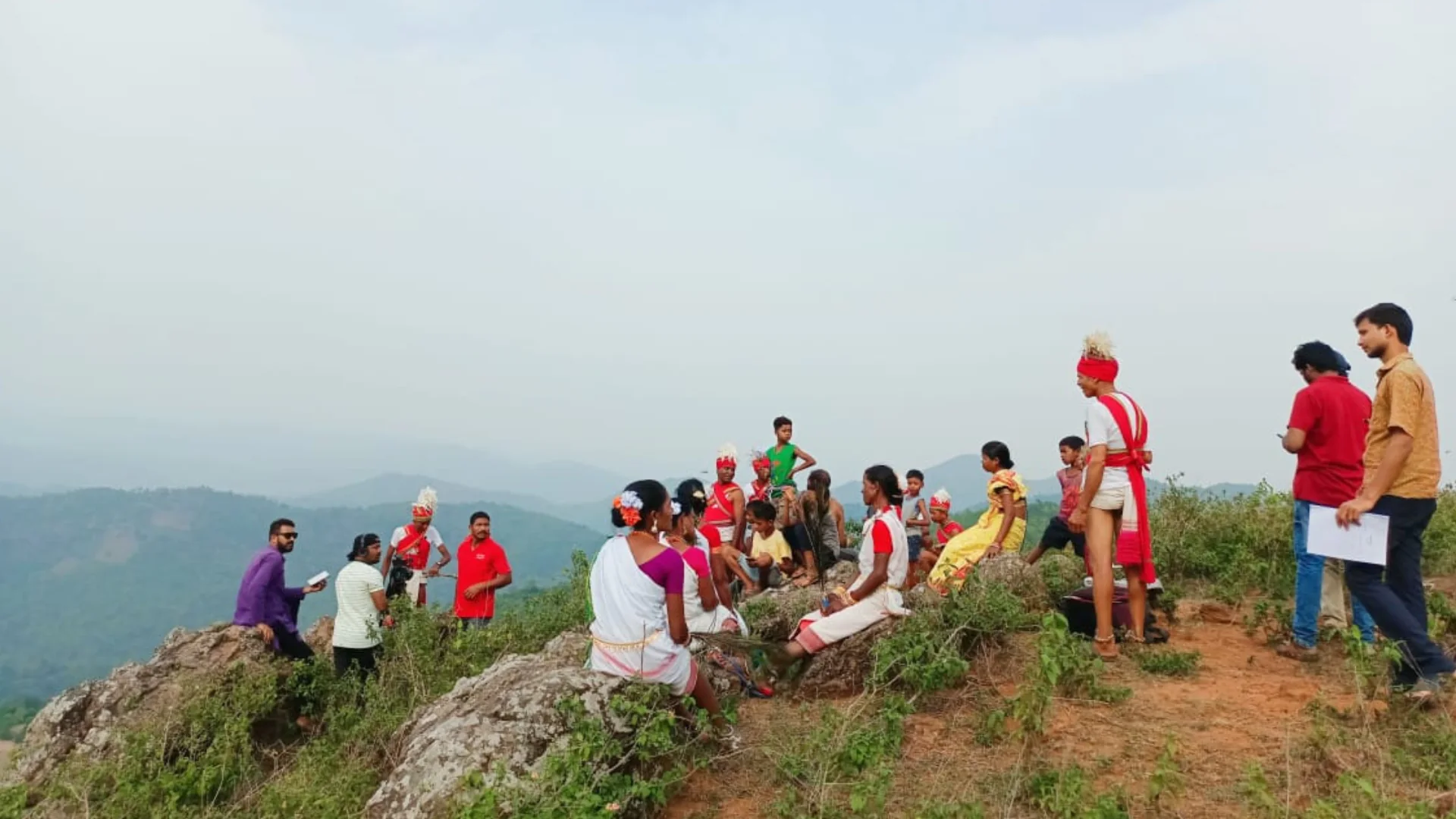
Annapurna's work began before MTF existed on paper. It connects agro-ecology research with practical models, farmers' homes and fields, and community knowledge. The work moves from learning to growing to archiving.
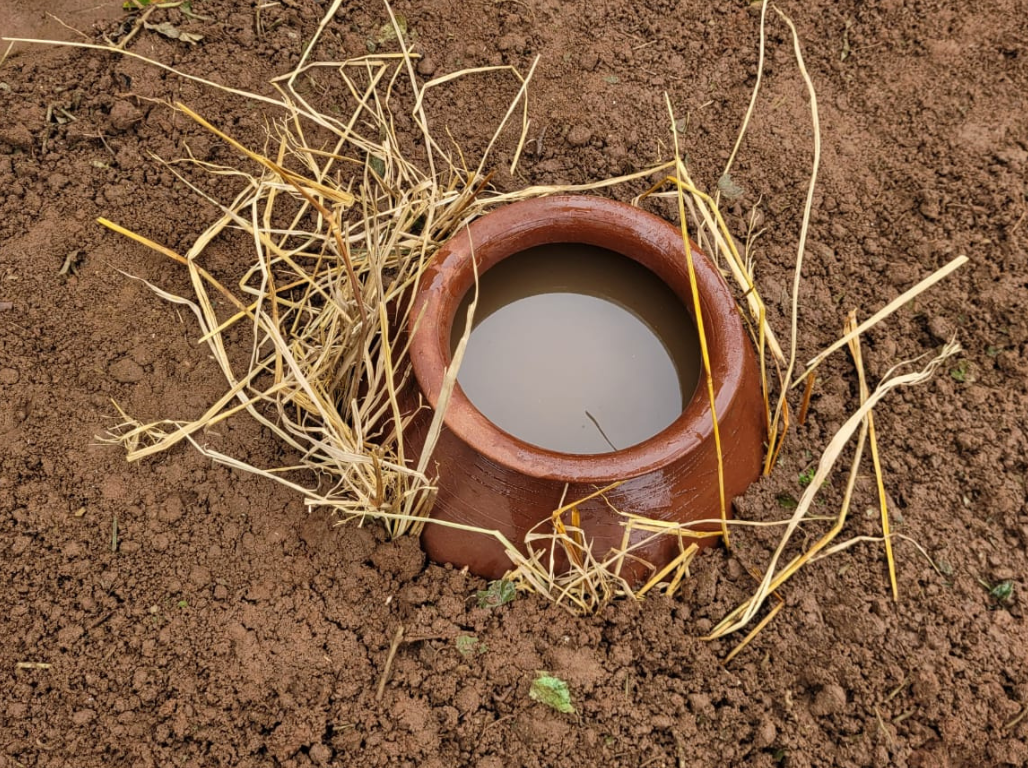
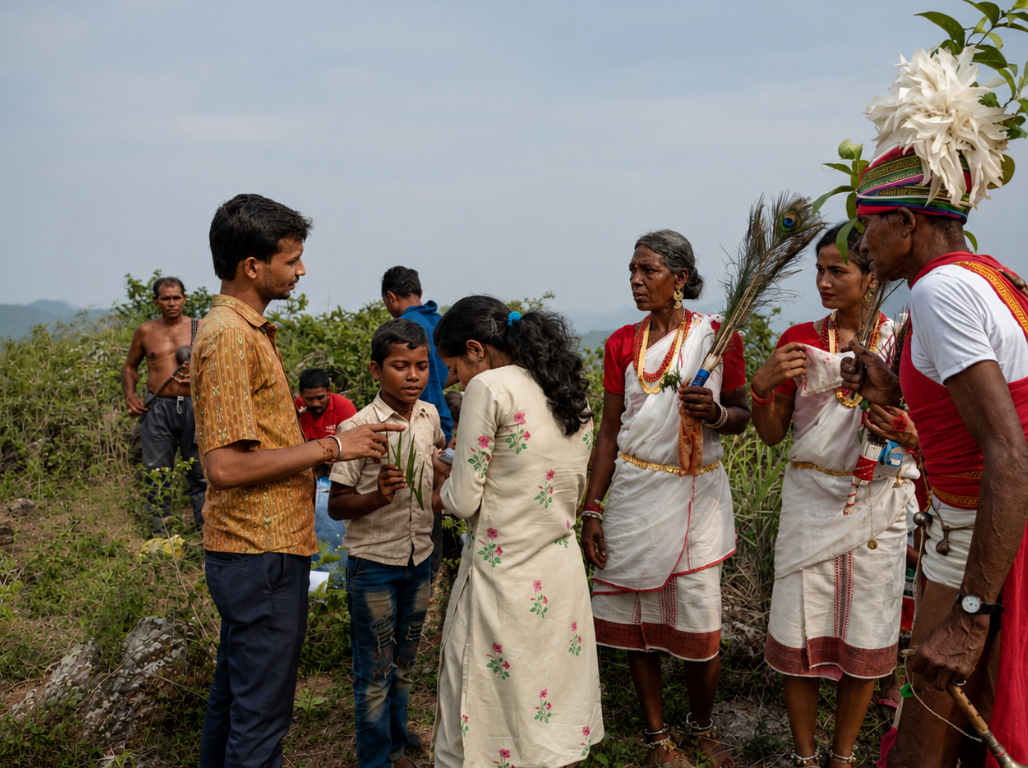
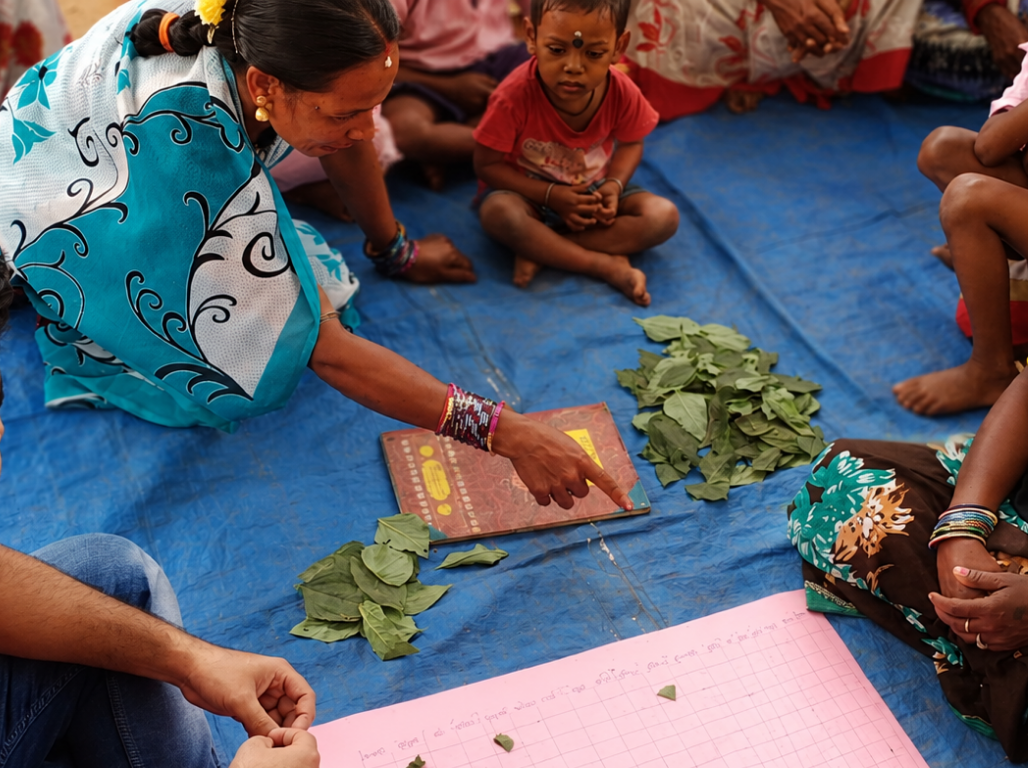

Centre for Agro-Ecology
Kamala Pujari Memorial Centre for Agro-Ecology
Seeds, soil, and the knowledge that connects them.
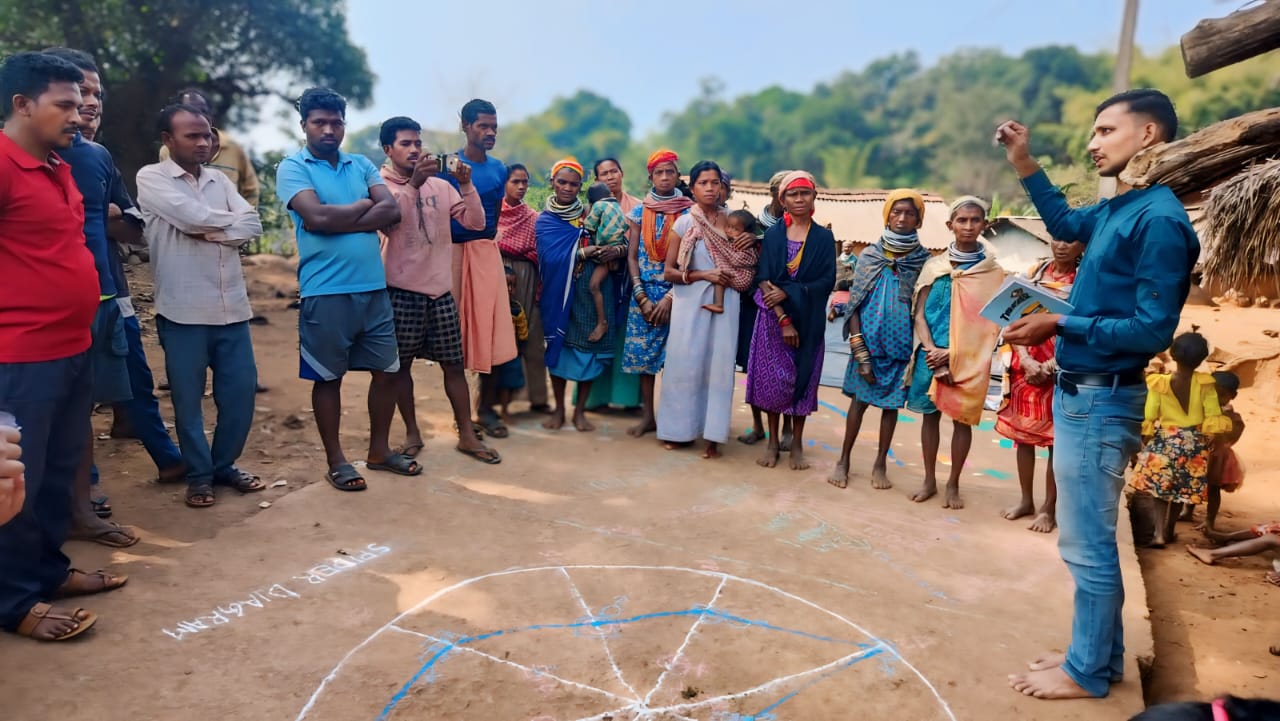
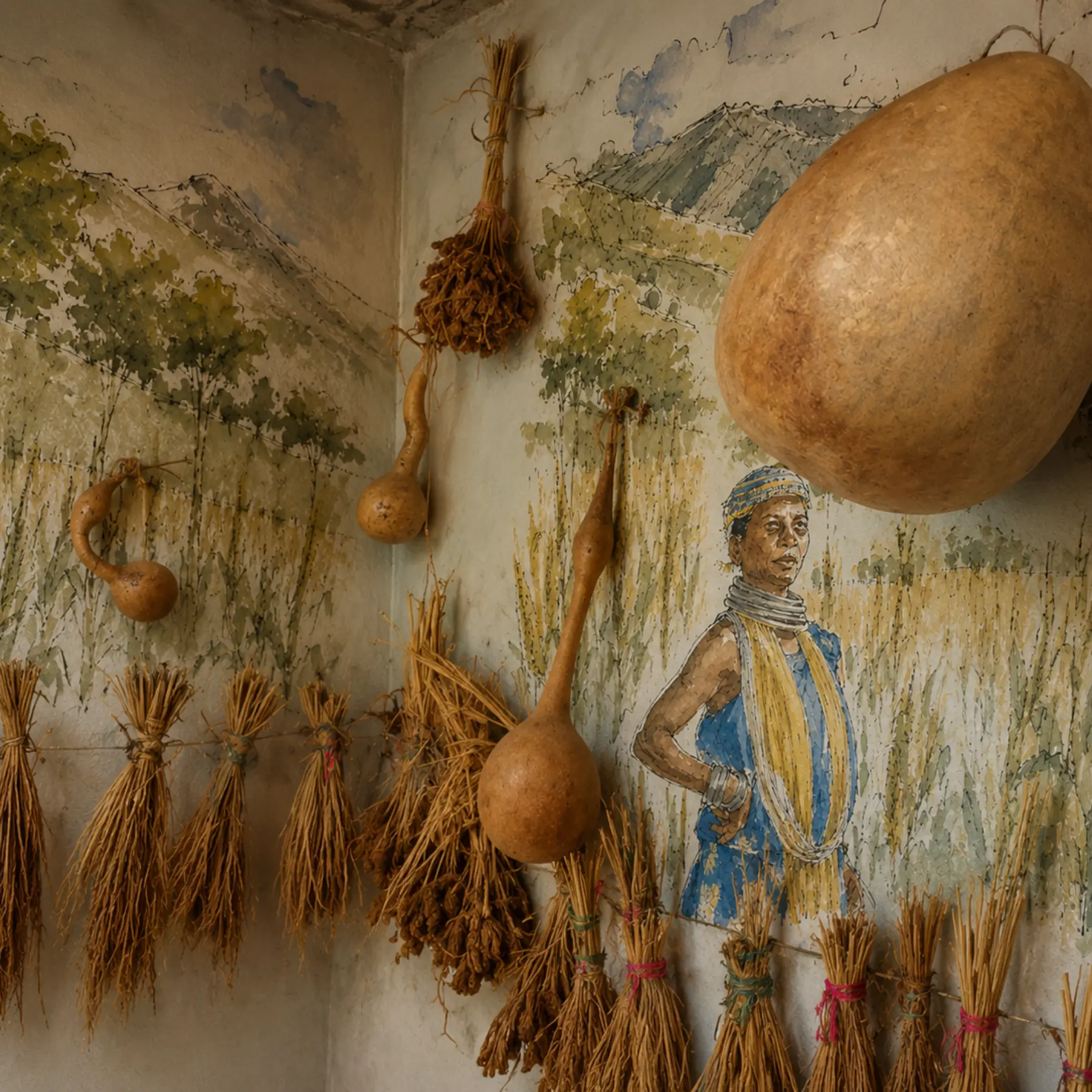
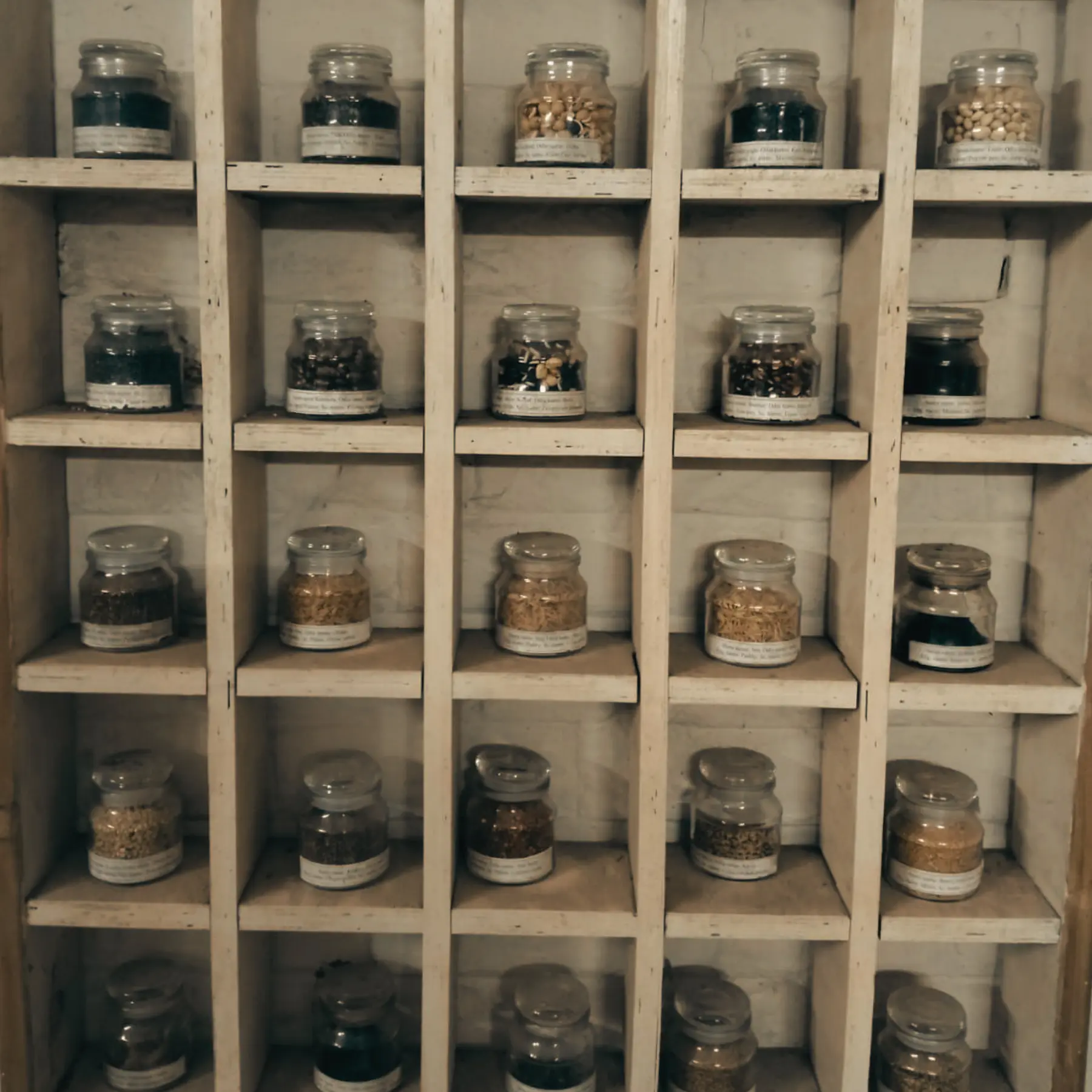
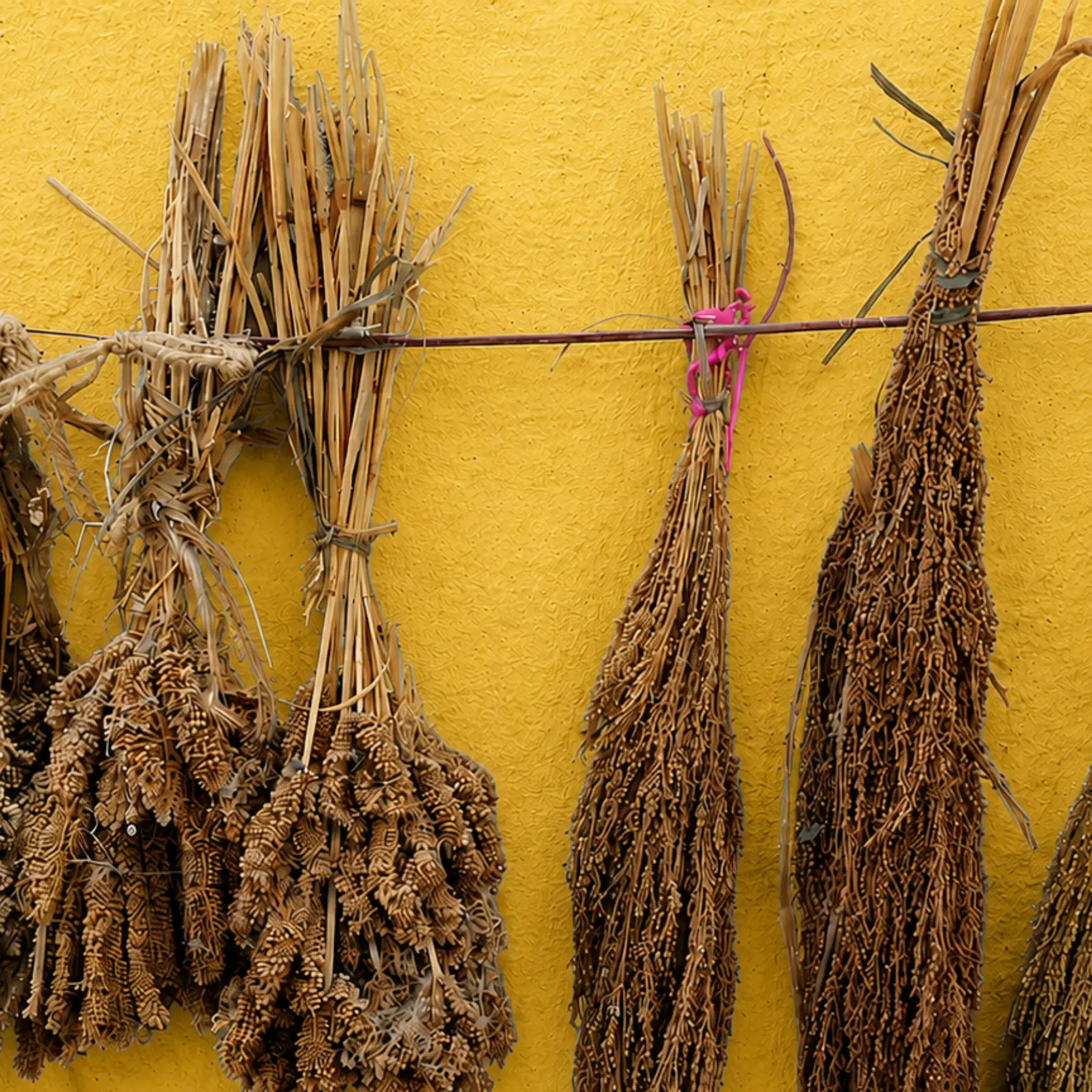
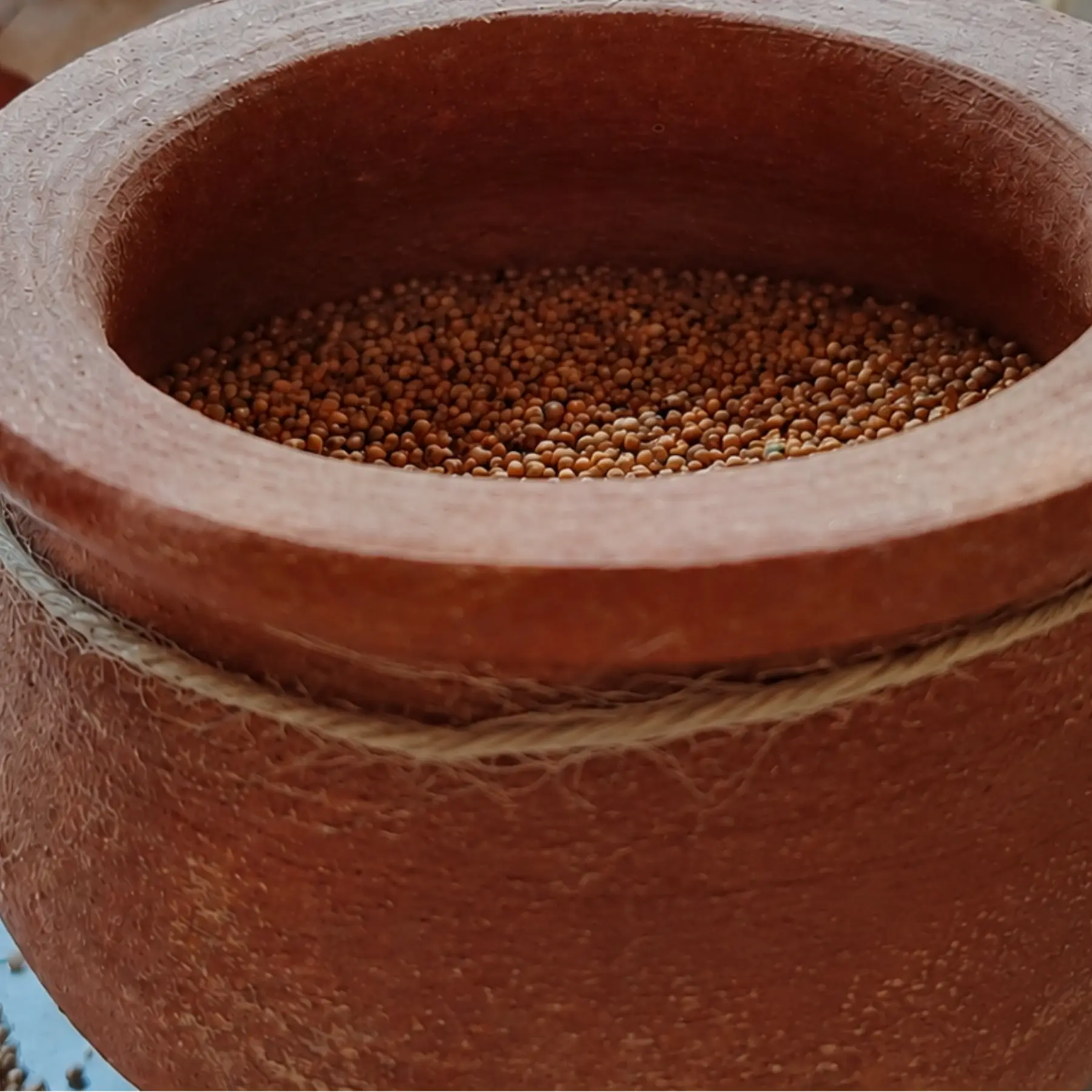
The Kamala Pujari Memorial Centre for Agro-Ecology at our Bodh Kendra in Odisha conserves indigenous landraces and traditional farming knowledge, and carries that practice into farmers’ fields across the region.
- 100+
- Land races archived
- 10,000+
- Indigenous knowledge records in the museum
- 30
- Traditional agricultural equipments archived

01Nutritional Garden
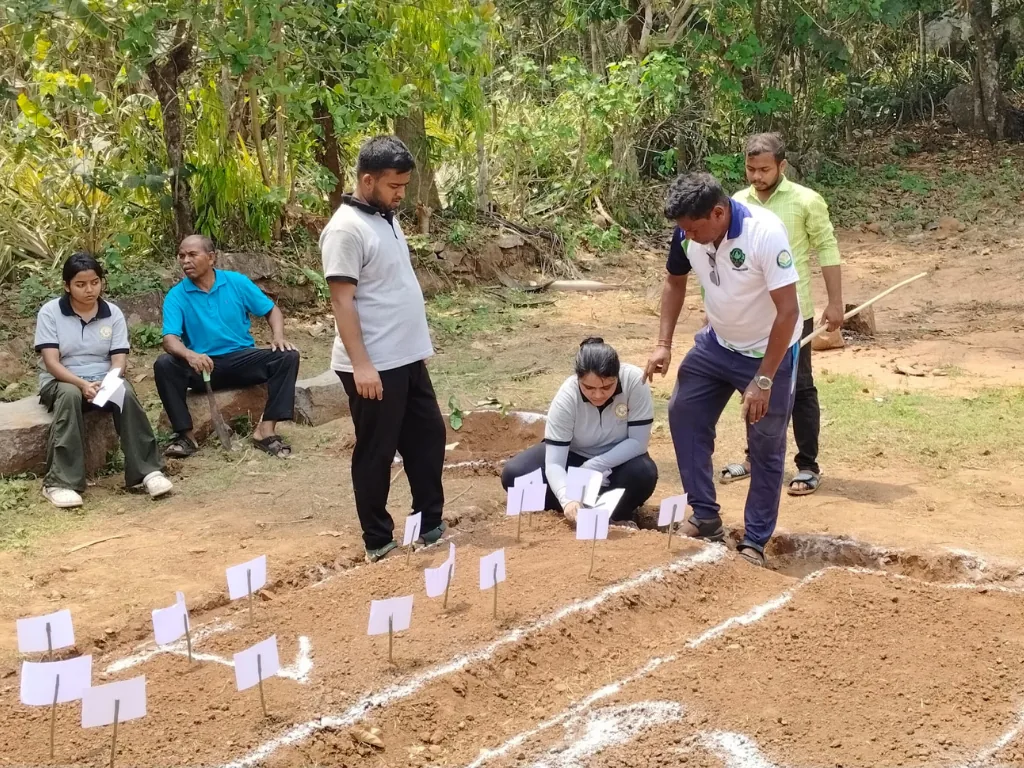
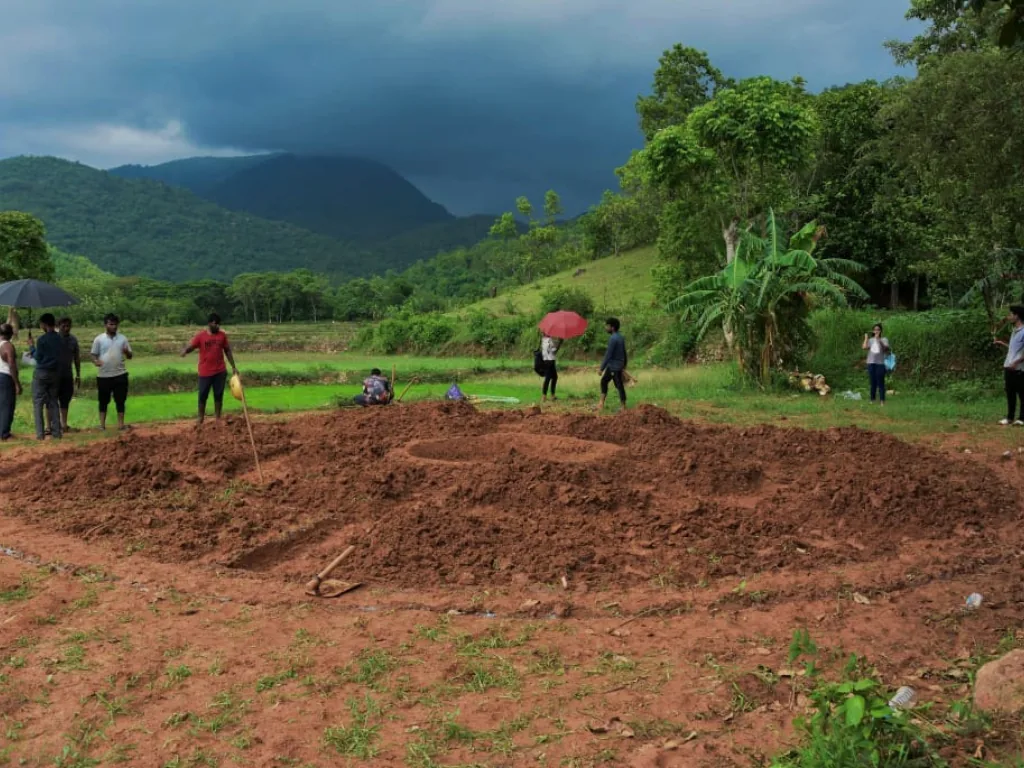
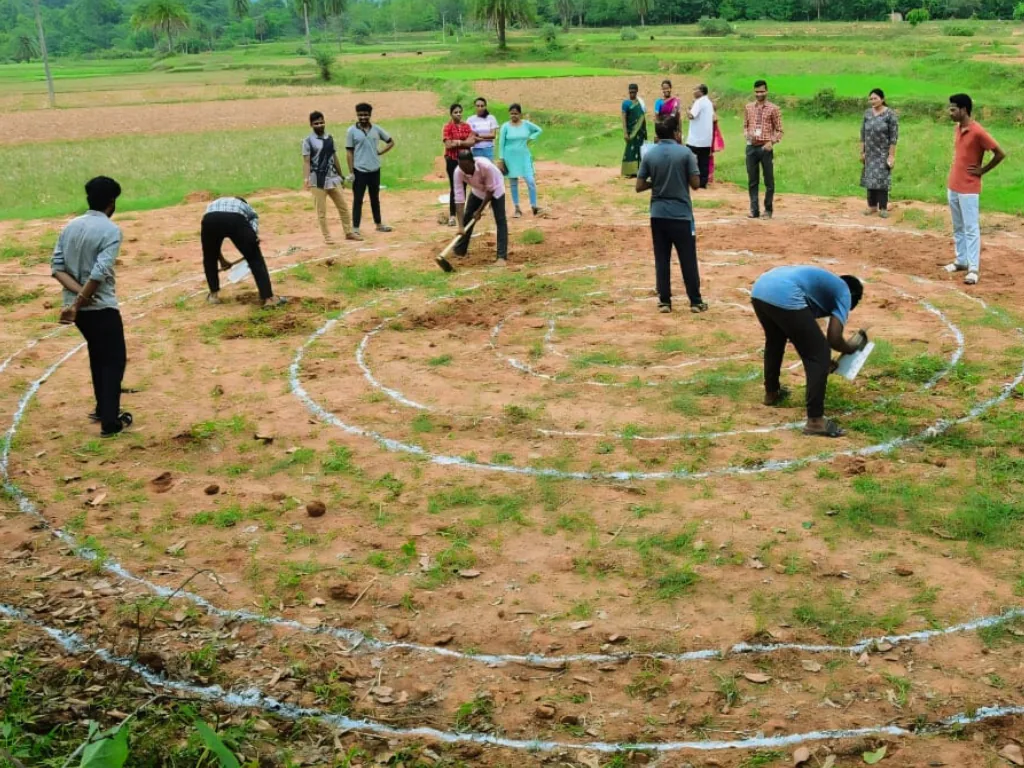
Community Nutritional Garden Model in Linga Village, Odisha
Approach: Research. Model. Implement. Archive.
62
Households
15
Models
2
States
4
Steps
Research Agro-Ecology
Study agro-ecology to ground the work in research.
Develop the Models
Develop or adopt models based on that research.
Take Them to Fields
Implement the models on farmers' homes and fields.
Build the Archive
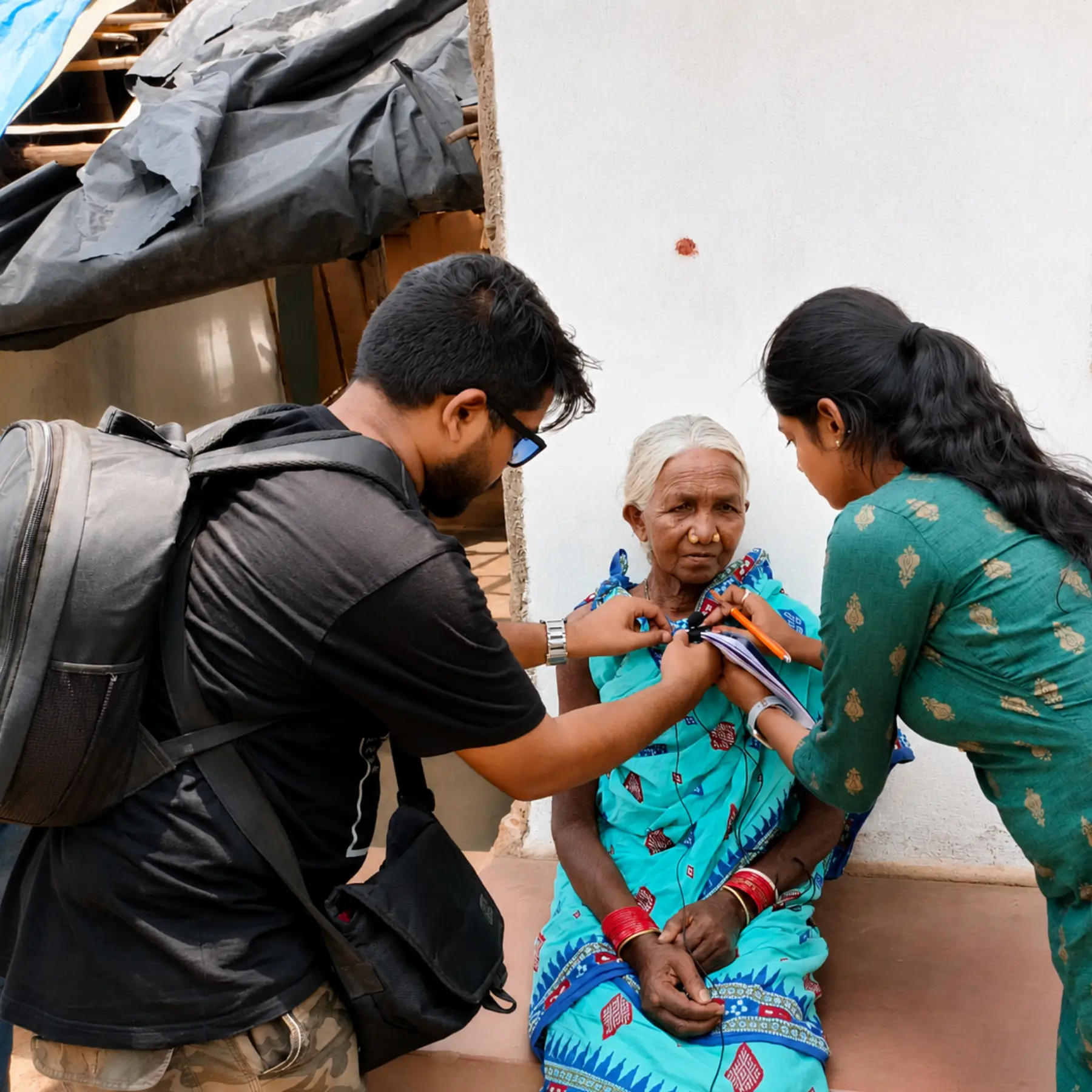
Create a local food archive together with community members.
02Community Knowledge Network
Community Knowledge Network:Linga Village, Odisha
Network of Agro-Ecology
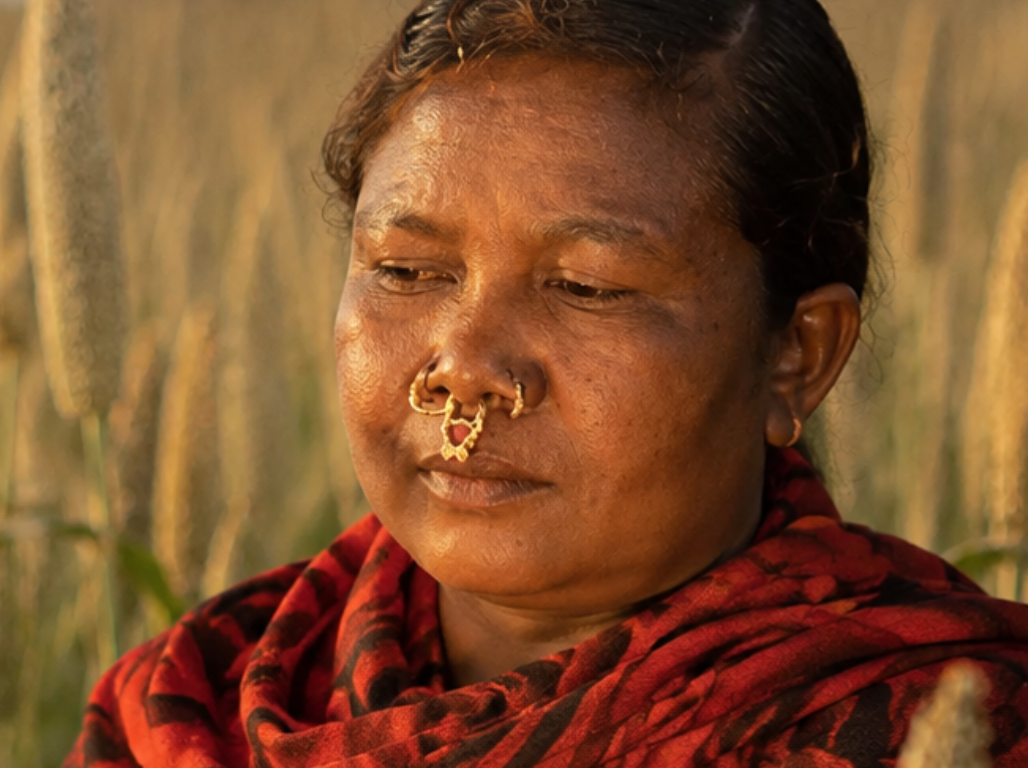
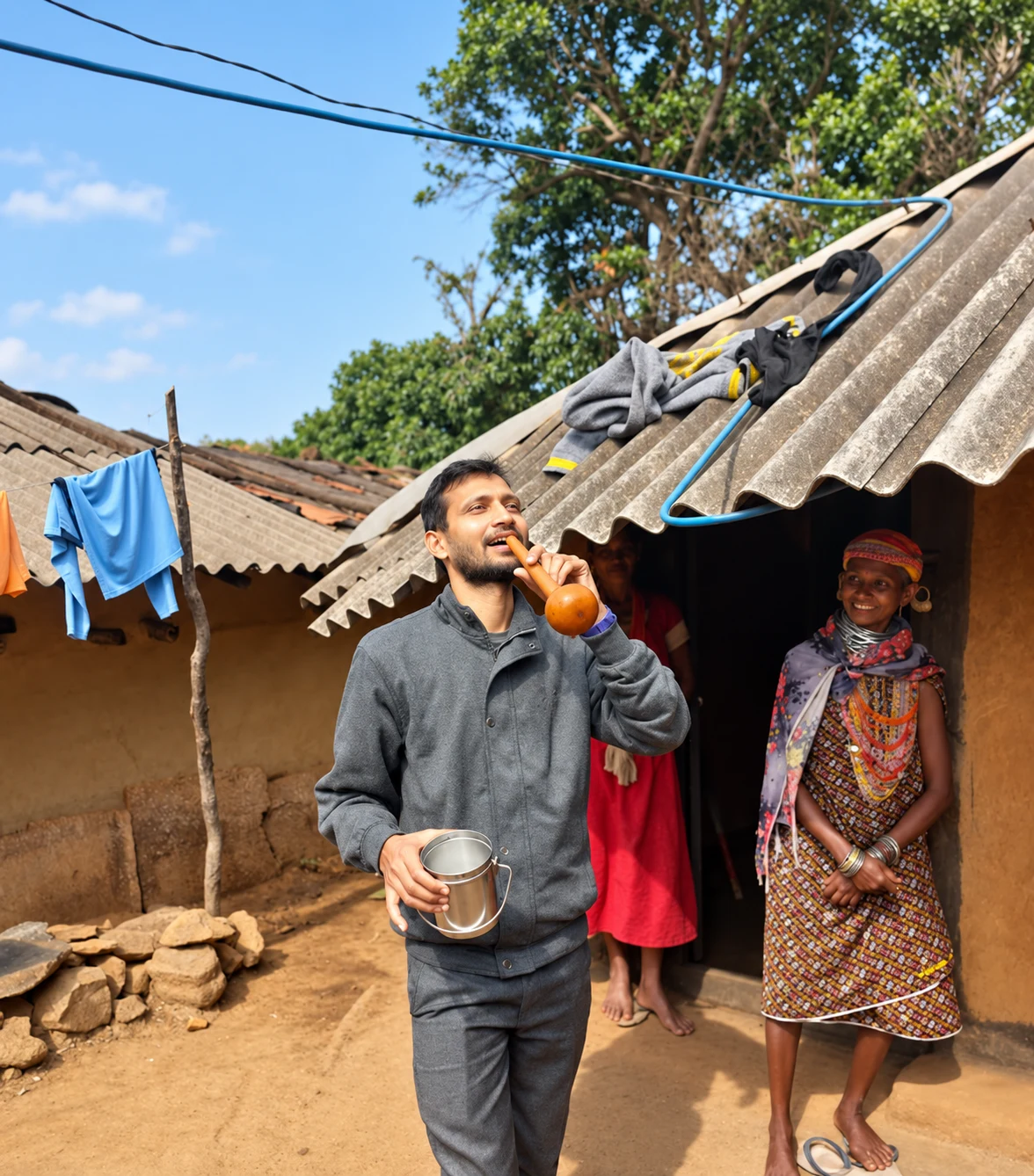
In Linga Village, agroecological knowledge lives through relationships — connecting generations, seeds, farming, food, biodiversity and healing.

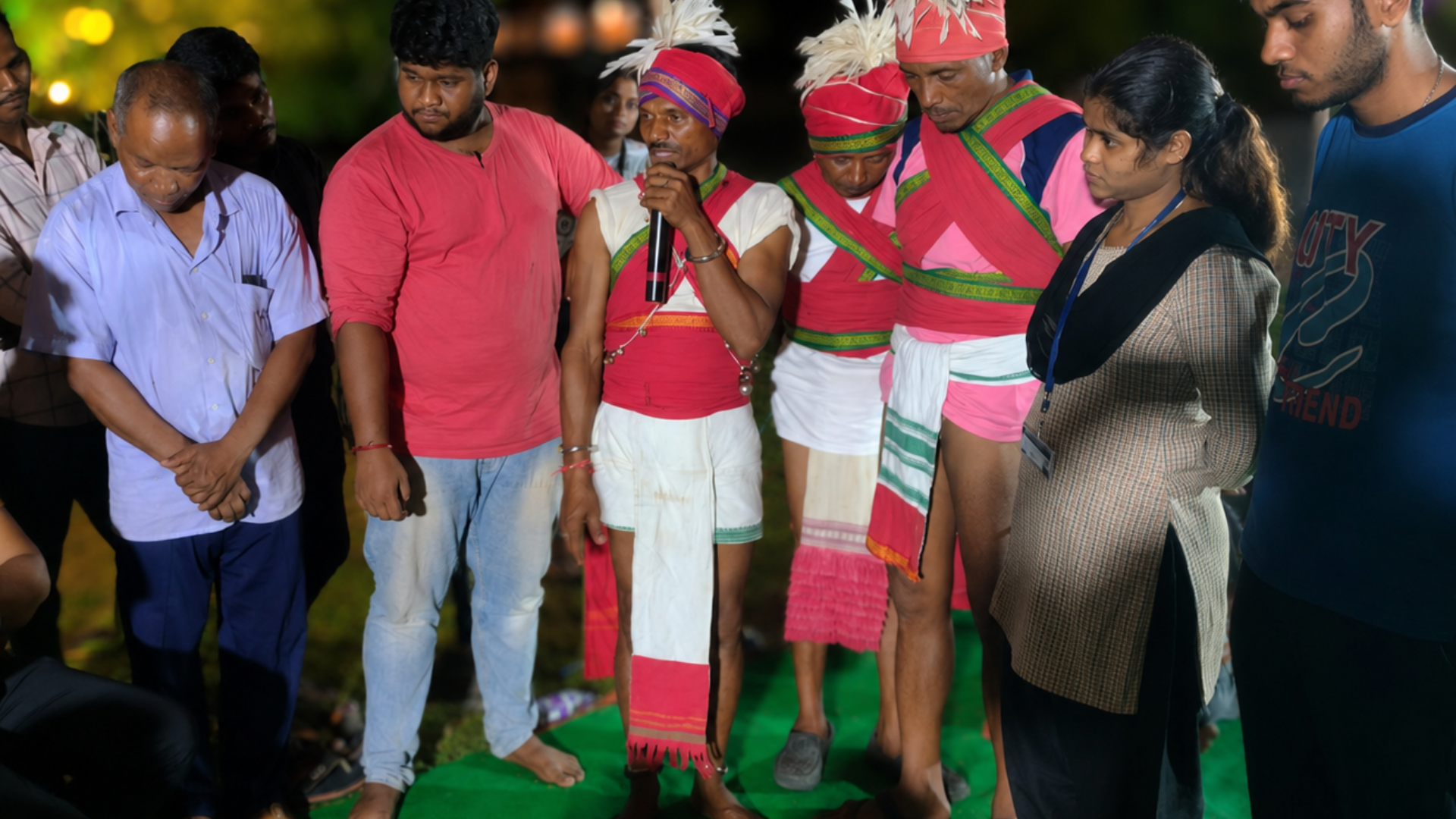
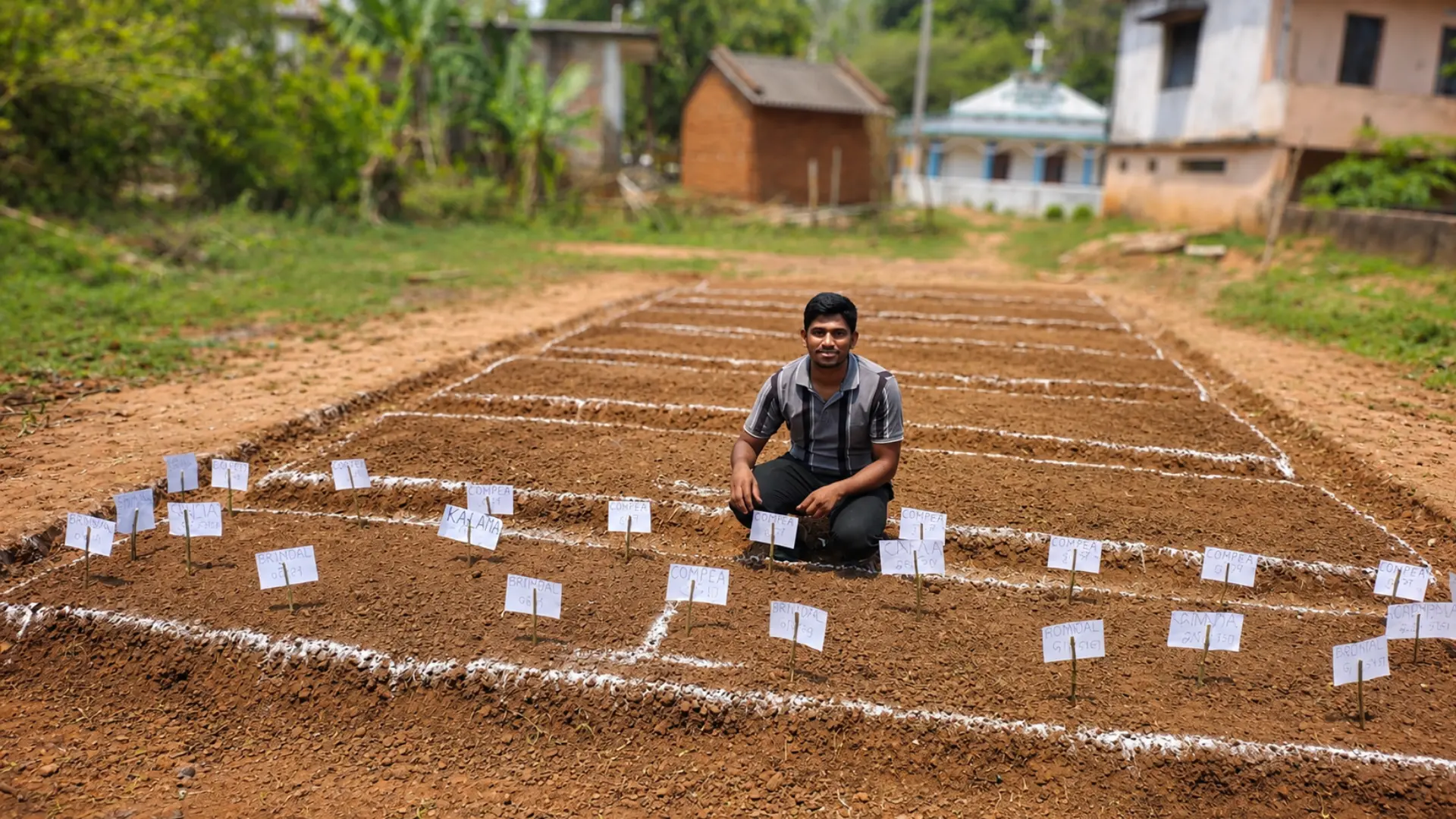
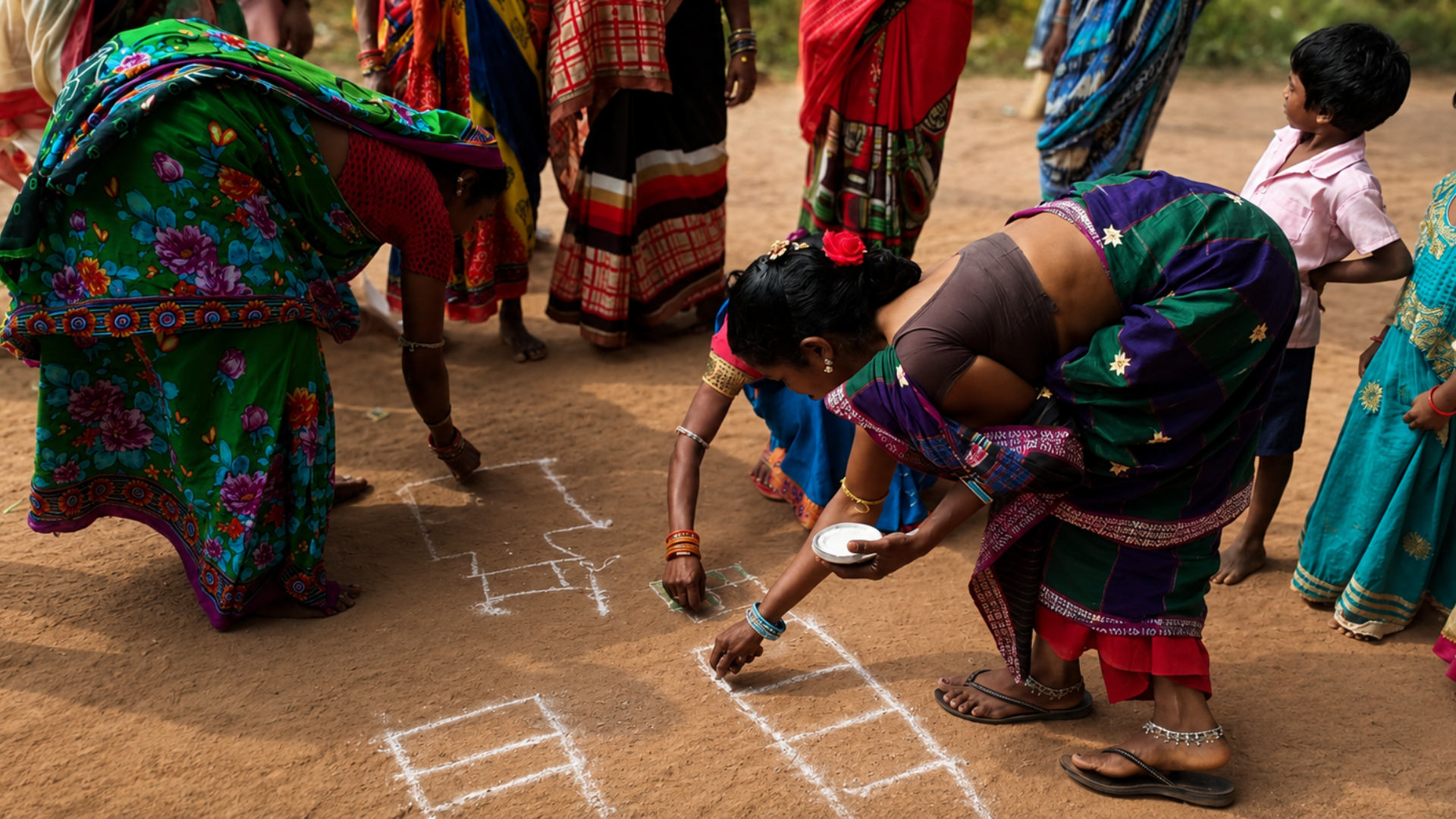
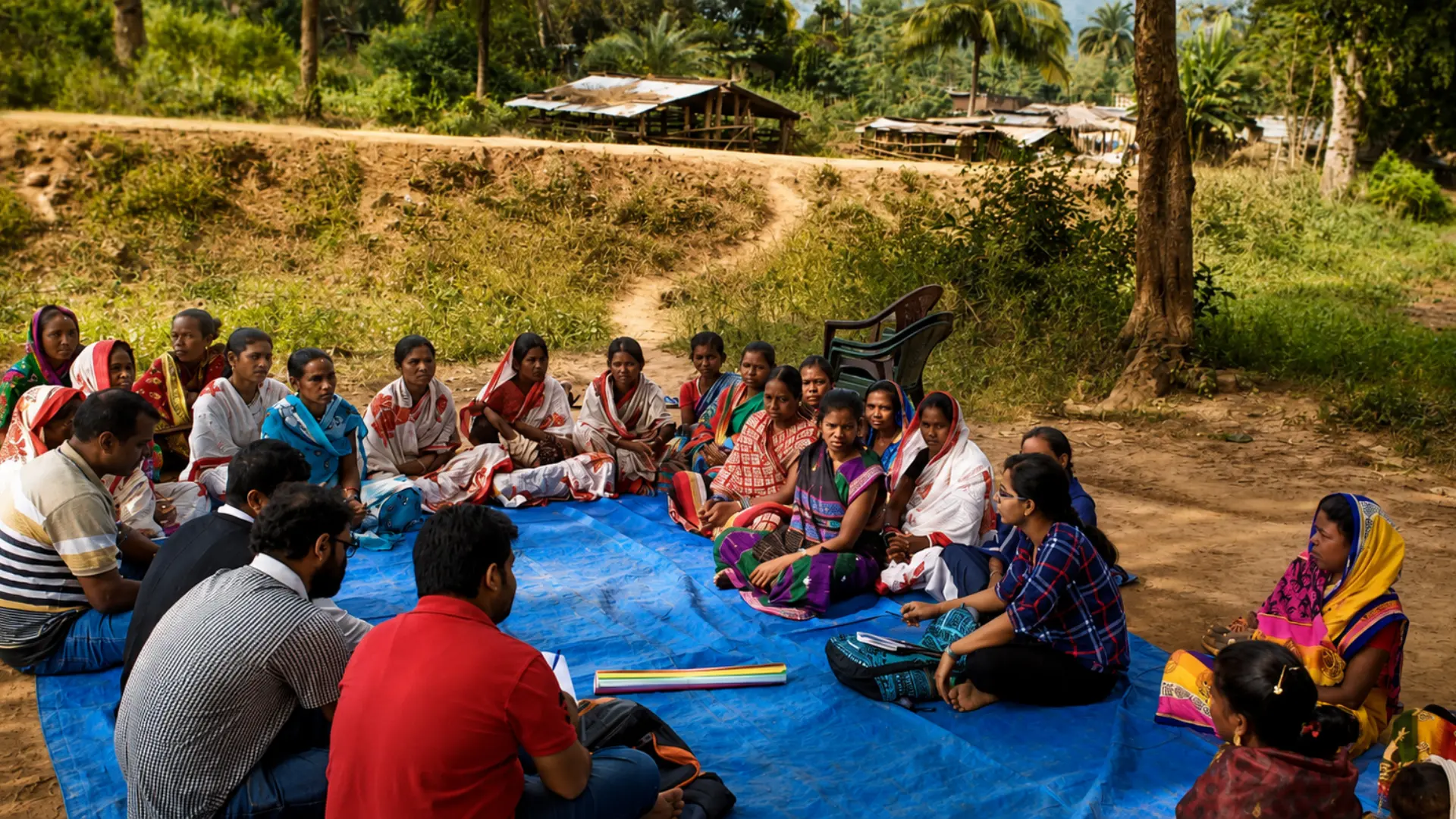
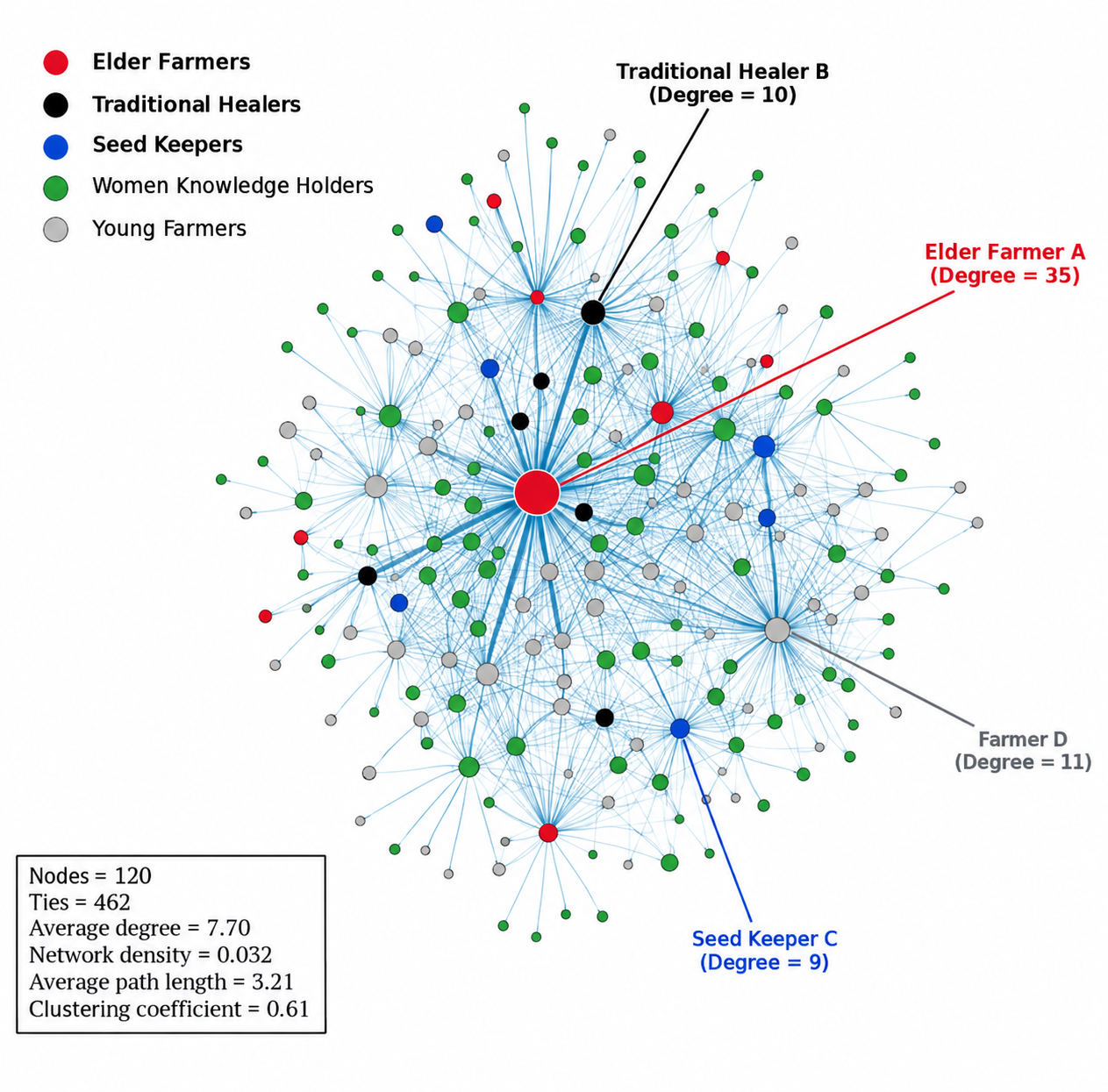
120
Community Members
462
Knowledge Connections
7.7
Average Connections / Person
0.61
Clustering Coefficient
Knowledge shared.
Seeds conserved.
Traditions carried forward.
A living knowledge commons of the Sora community.
03Field Notes
From the Field
Start with Research
Each model begins with learning, testing and adaptation.
Grow at Home
Implementation reaches farmers' homes and fields.
Keep Knowledge Local
Food knowledge is archived together with community members.
04Downloads
Participatory Earth Notebooks
Five publications from a growing body of field learning and documentation.
Participatory Earth Notebook: People's Nutrition Gardens
ISBN 978-81-990605-3-1
Participatory Earth Notebook: Community Nutritional Garden
ISBN 978-81-990605-5-5
Participatory Earth Notebook: The People's Archive
ISBN 978-81-990605-1-7
Participatory Earth Notebook: Earth, People & Knowledge
ISBN 978-81-990605-6-2
ISDPC: Orientation Booklet 1
ISBN 978-81-990605-7-9

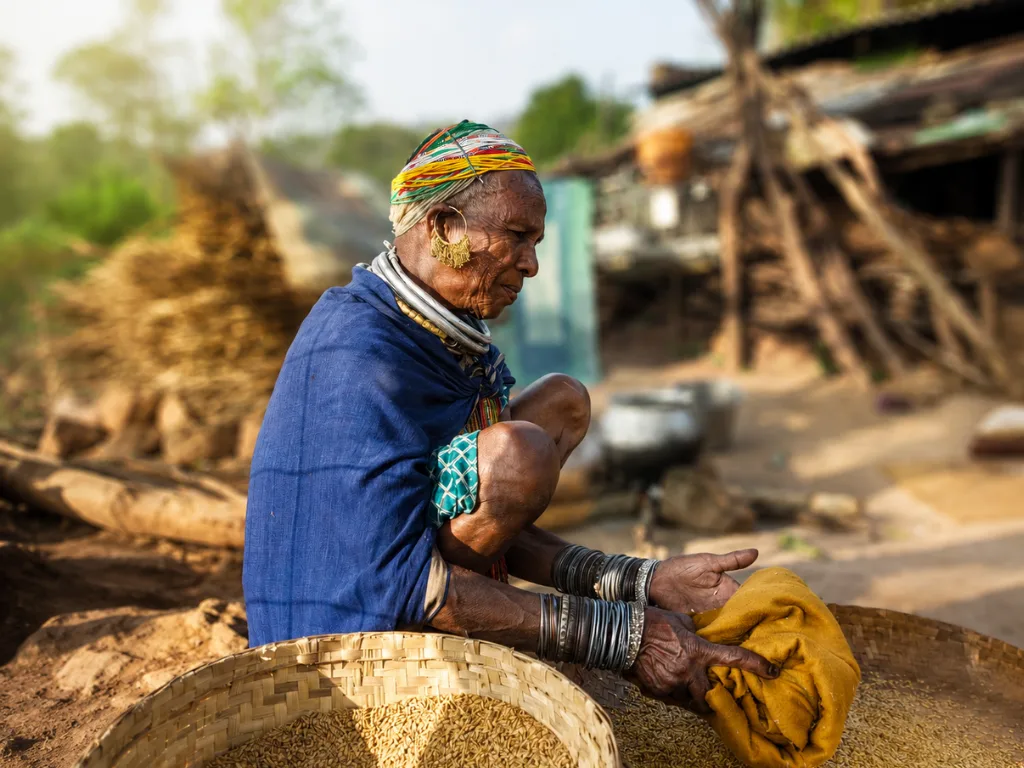
People, Planet & Purpose Together — from seed to bloom.