
MTF Jeevika · Livelihood
Livelihood that begins with what a place already holds.
At MagicTerrain Foundation, livelihood is not a scheme handed down to a village. It is what a place already holds — a forest, a bee, a coffee tree, a pair of trained hands — turned into a steady income that the household itself owns.
All livelihood-related work and projects at MTF come under MTF Jeevika.
Know the Vertical
Know About MTF Jeevika
Under this vertical, all livelihood work of MAGICTERRAIN FOUNDATION comes together.
Owned by the Household
Jeevika connects local resources, skills and markets so that income stays in the village. The work moves from research to model to household practice to community-owned enterprise.

01How we work
Research. Build. Practise. Plan.
01
Research
We begin by studying what a place already has — its resources, its skills, its markets and its constraints — through participatory field research with the community.
02
Build
From that research we build a livelihood model, or adapt one that has worked elsewhere to fit local conditions.
03
Practise
The model goes into village households as real work, not a demonstration.
04
Plan
We then build village-wise livelihood plans, with training, capacity building, workshops and employment creation.
02What we protect in the design
Three things we never trade away.
- 01
Productive assets stay with the household
- 02
Value addition stays in the village
- 03
Enterprises are built to be handed over
Productive assets stay with the household. Value addition stays in the village, so the processing margin reaches the producer instead of the middleman. And every enterprise is built to be handed over — to an SHG, a community cluster, or a village committee.
- Household
- Village
- Community ownership

03Our livelihood work · Honey
Project BEES — Dooars
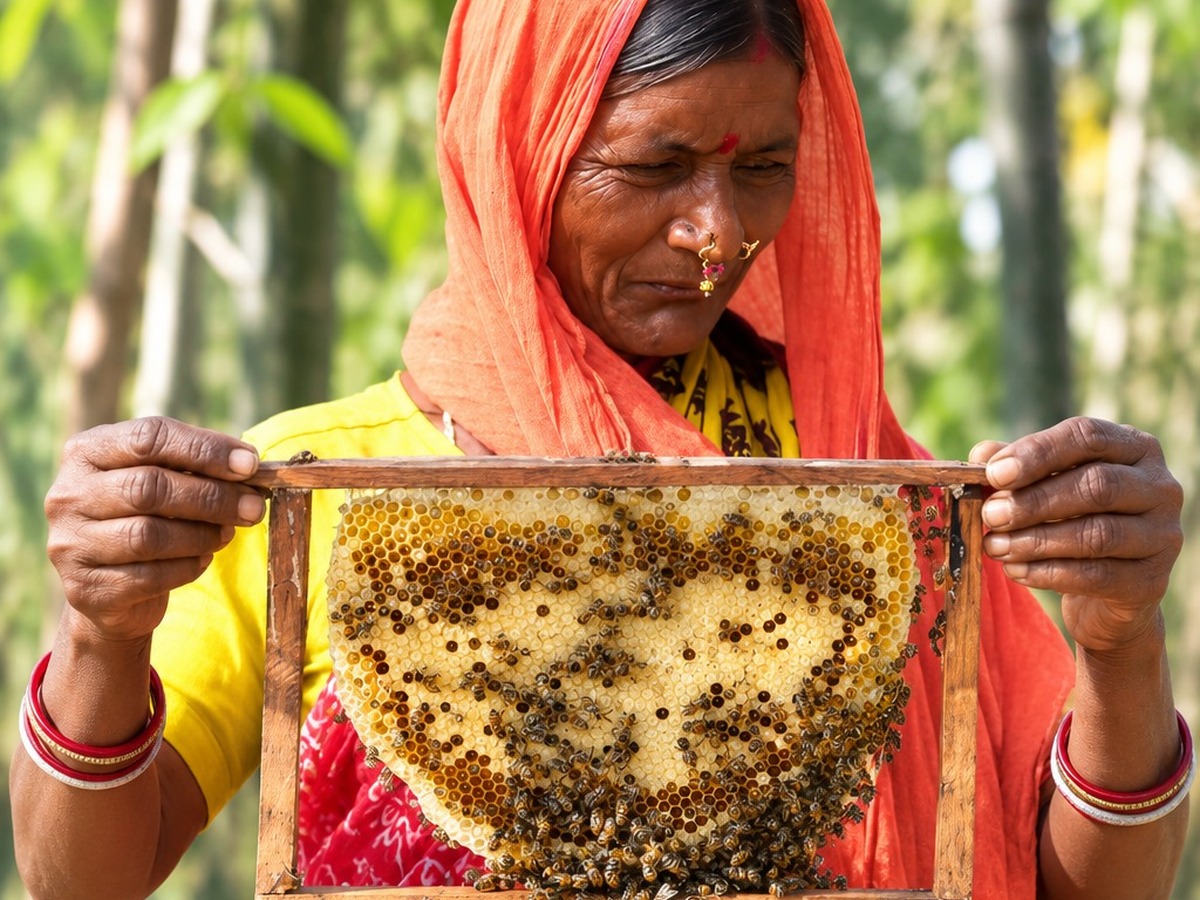
In the closed tea gardens of Alipurduar, where work stopped in 2002, in 2014 and again in 2025, we are building a second income around Apis cerana indica beekeeping. Households move from wage dependence to an enterprise they own, with honey reaching the market under our community brand, Buxa Bloom.
Income needs a floor and security needs an income — so honey travels together with welfare entitlement support in the same household.
2002 · 2014 · 2025
Years when work stopped in the tea gardens
- Colonies
- Honey
- Buxa Bloom
- Market
- Household income
04Coffee
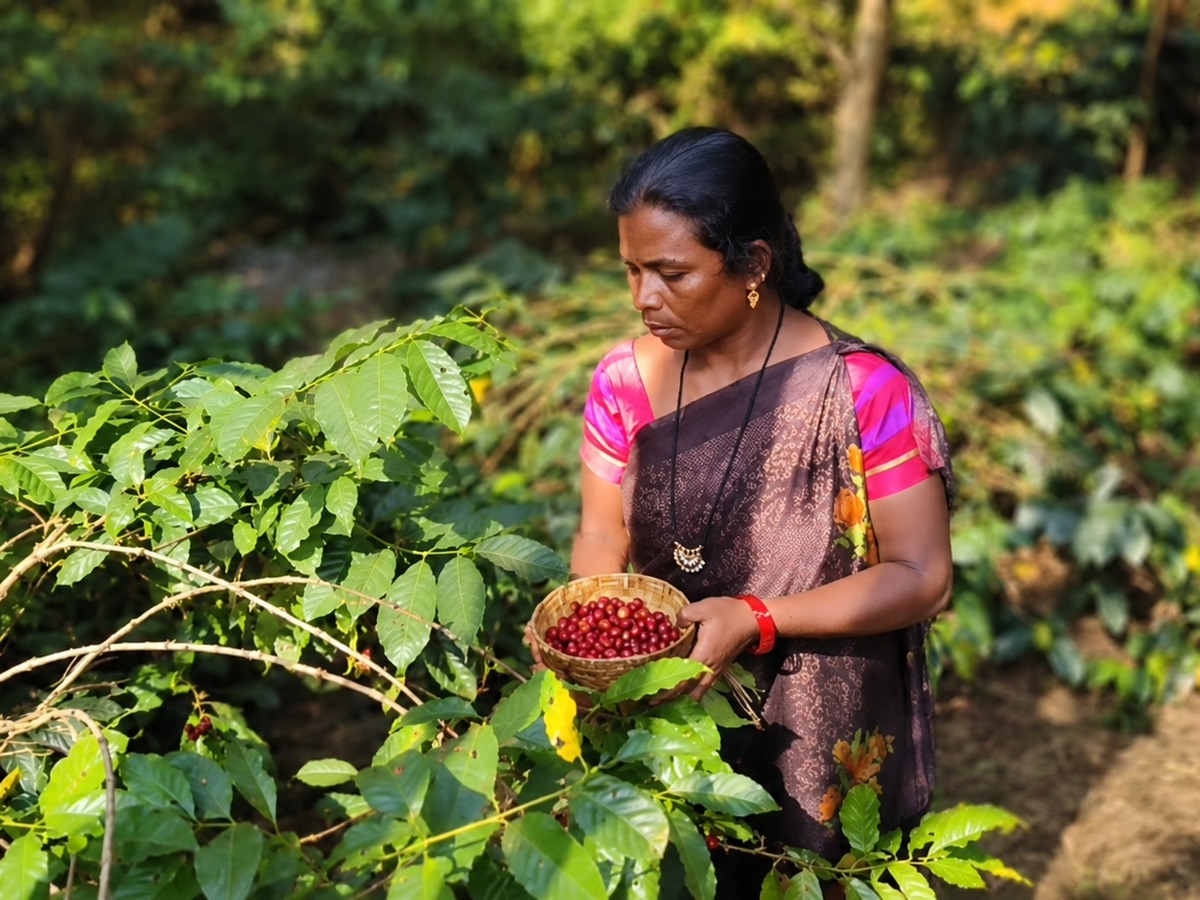
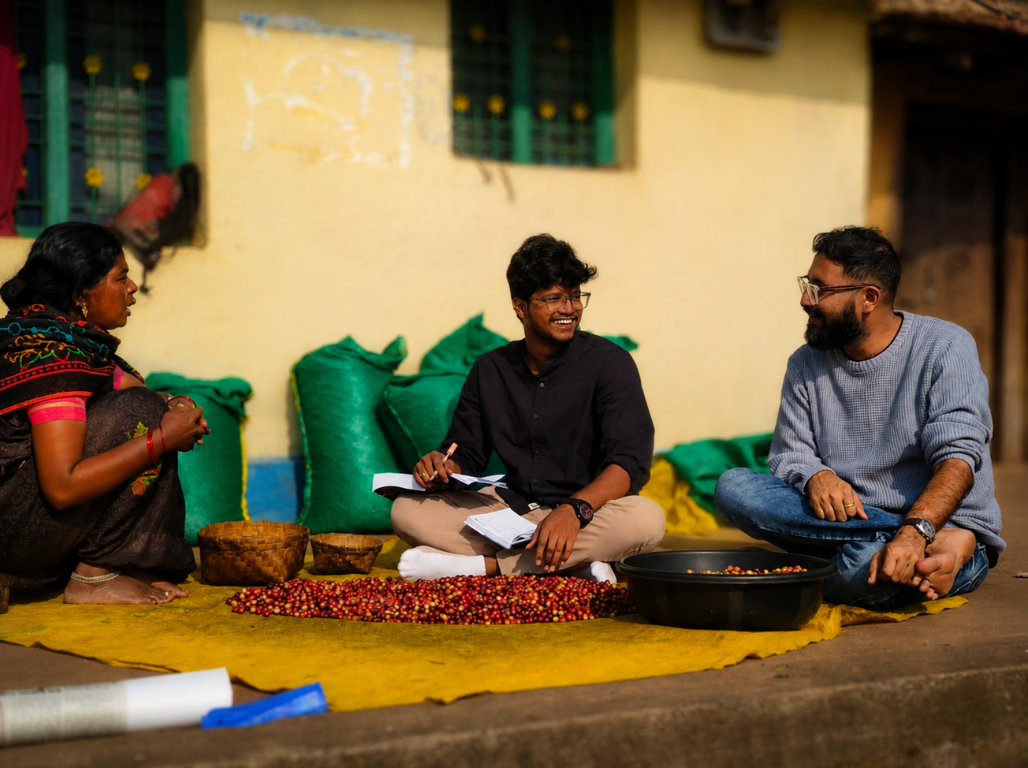
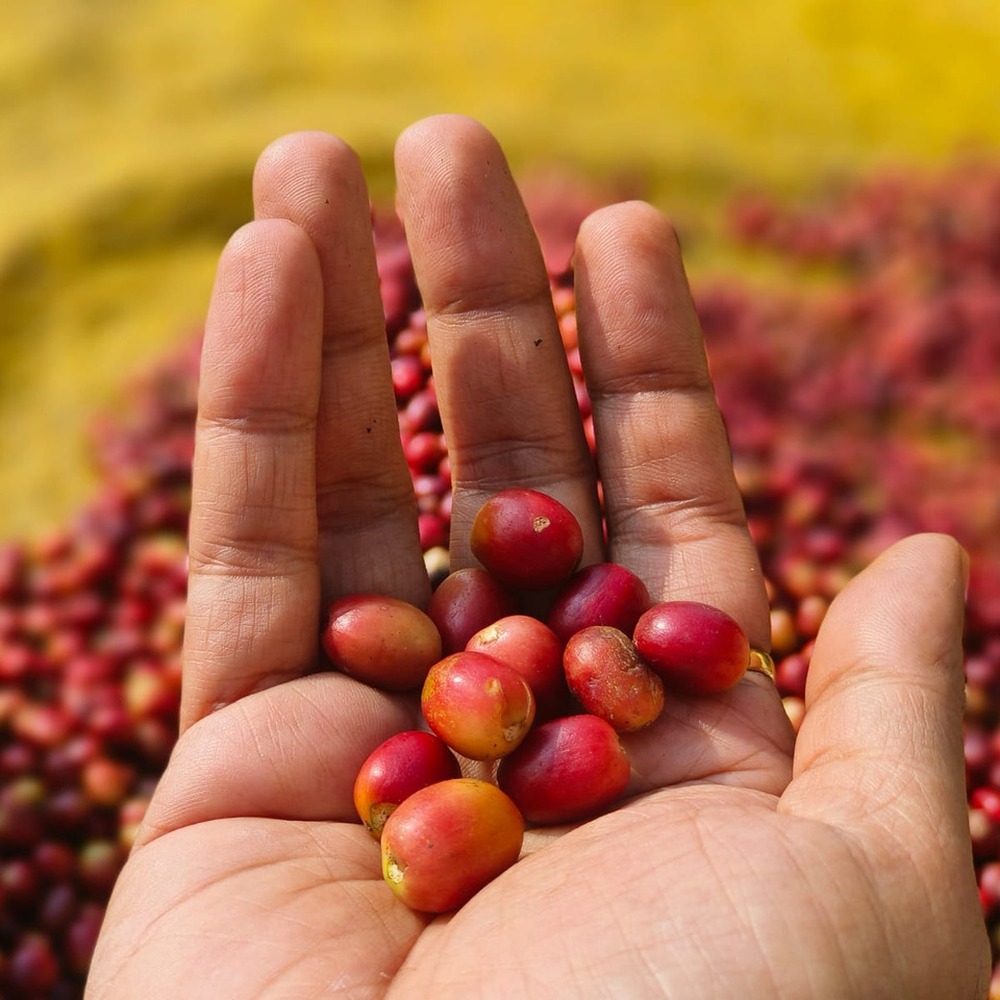
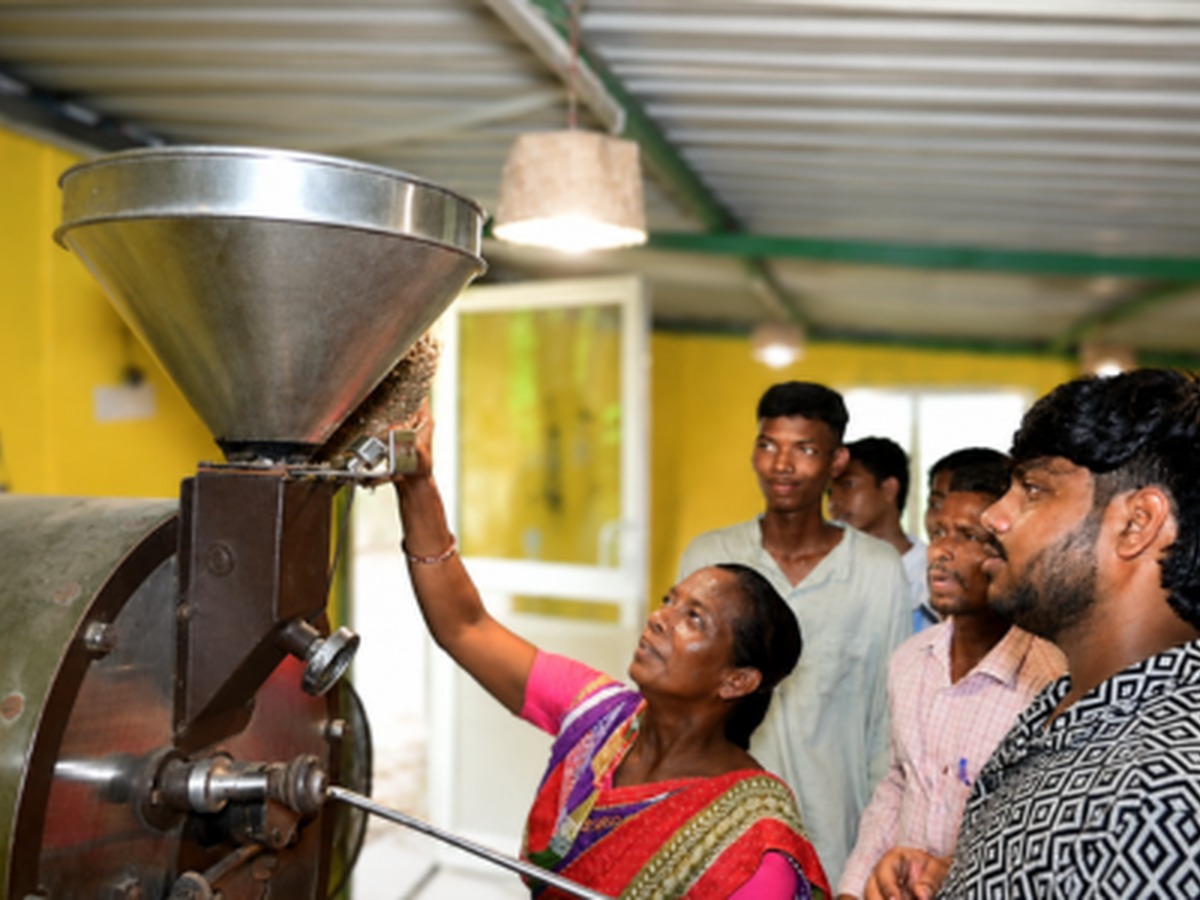
From Coffee Fruit to Community Value
20
tribes associated through direct coffee procurement and fair market linkage
27
people trained in processing and roasting
Twenty tribes of the Araku valley are associated with us through direct coffee procurement and fair market linkage, with coffee fruit bought straight from the grower. Twenty-seven people have been trained in processing and roasting, and now work at Café Terrain Roastery.
Chain: Grower. Procurement. Processing. Roastery. Market.
05Culinary & bakery skills
From Distress Migration to Local Entrepreneurship
A livelihood pathway for vulnerable rural youth pushed into distress migration and risky, insecure work — moving from skills and employment towards enterprise ownership back home.
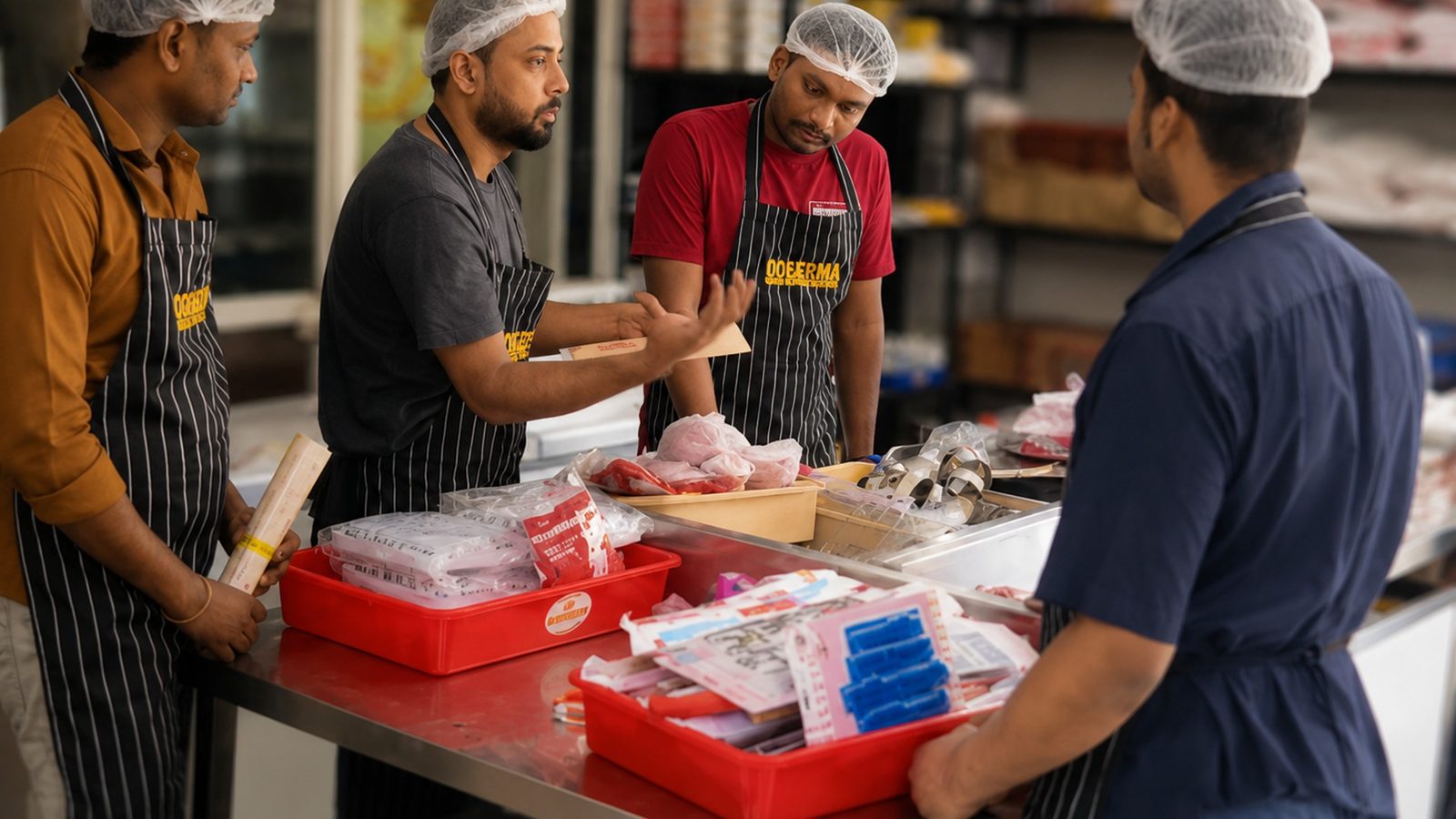
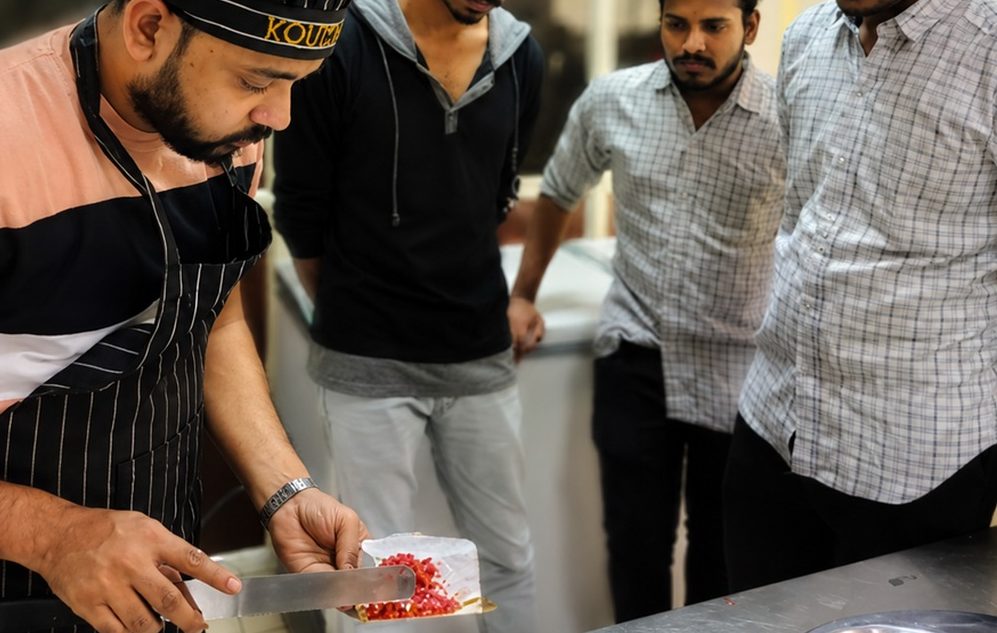
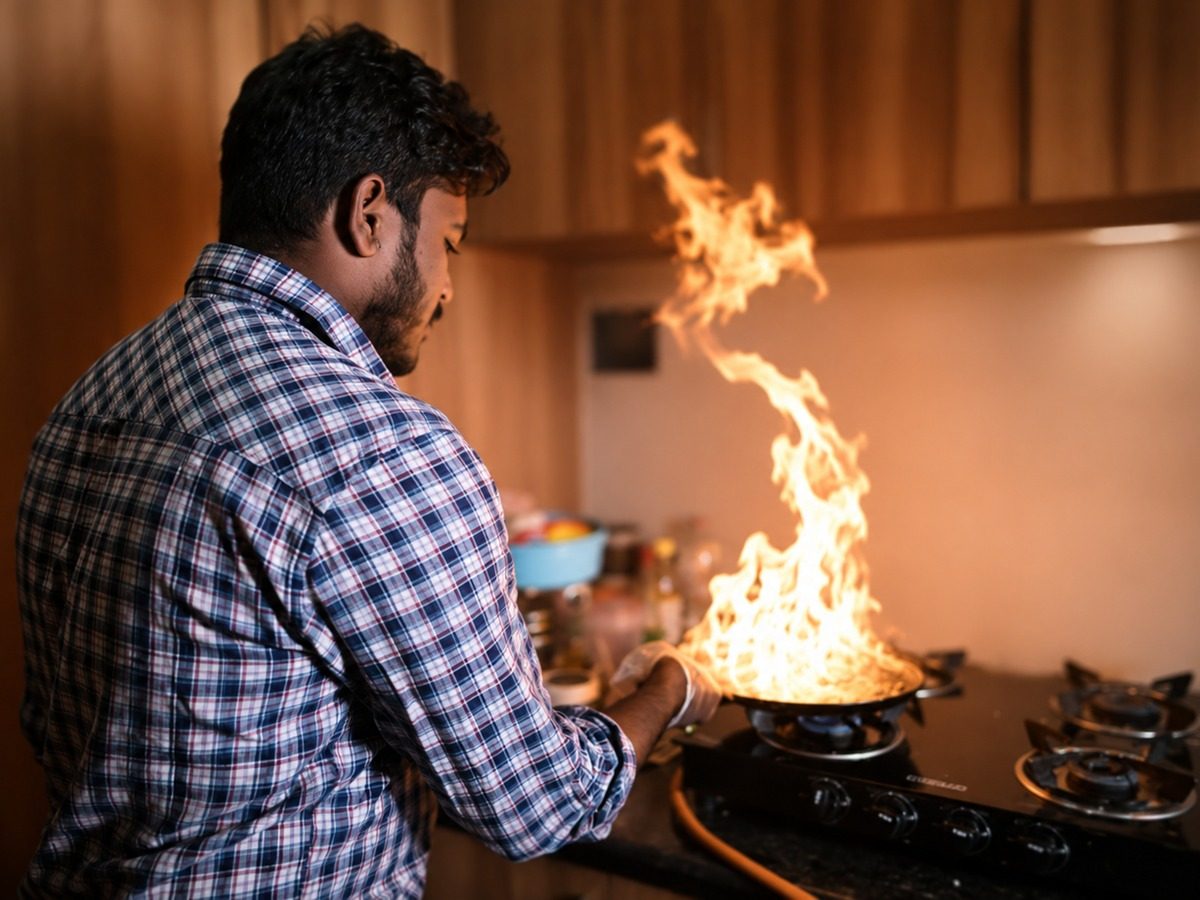
Residential culinary training · Bodh Kendra Café
75
Young people trained
₹12,000–17,000
Monthly earnings after placement
60%
Still in employment one year later
The journey · Learn → Work + Earn → Return + Build
01 · Learn
15 days
Free residential culinary & bakery training
Odisha
02 · Work + Earn
12–18 months
Internships in professional kitchens
Industry experience + income
03 · Return + Build
From Jan 2027
Return home to establish cafés and small food enterprises
Village markets + nearby towns
- Distress migration→
- Skill→
- Employment→
- Experience→
- Local enterprise
Young people return home not in search of work, but with the skills and experience to create it.
06Artisans & craft
Craft that meets a fair market.
187
artisans connected to fair markets
14
capacity-building programmes
12
Art-Craft Fairs
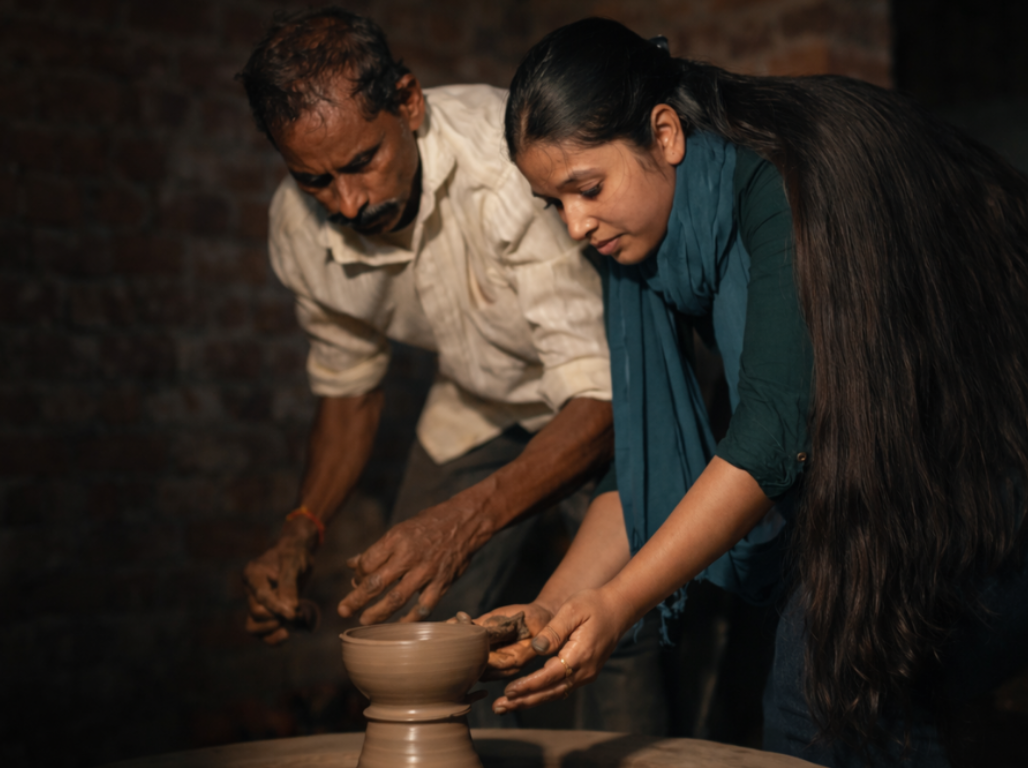
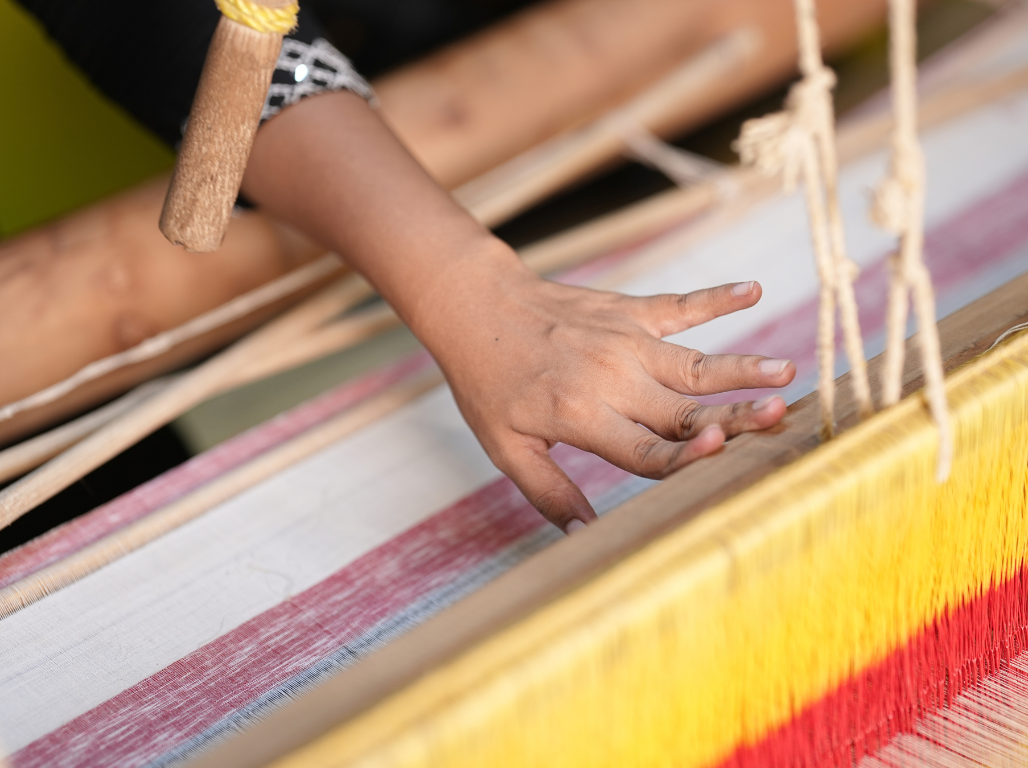
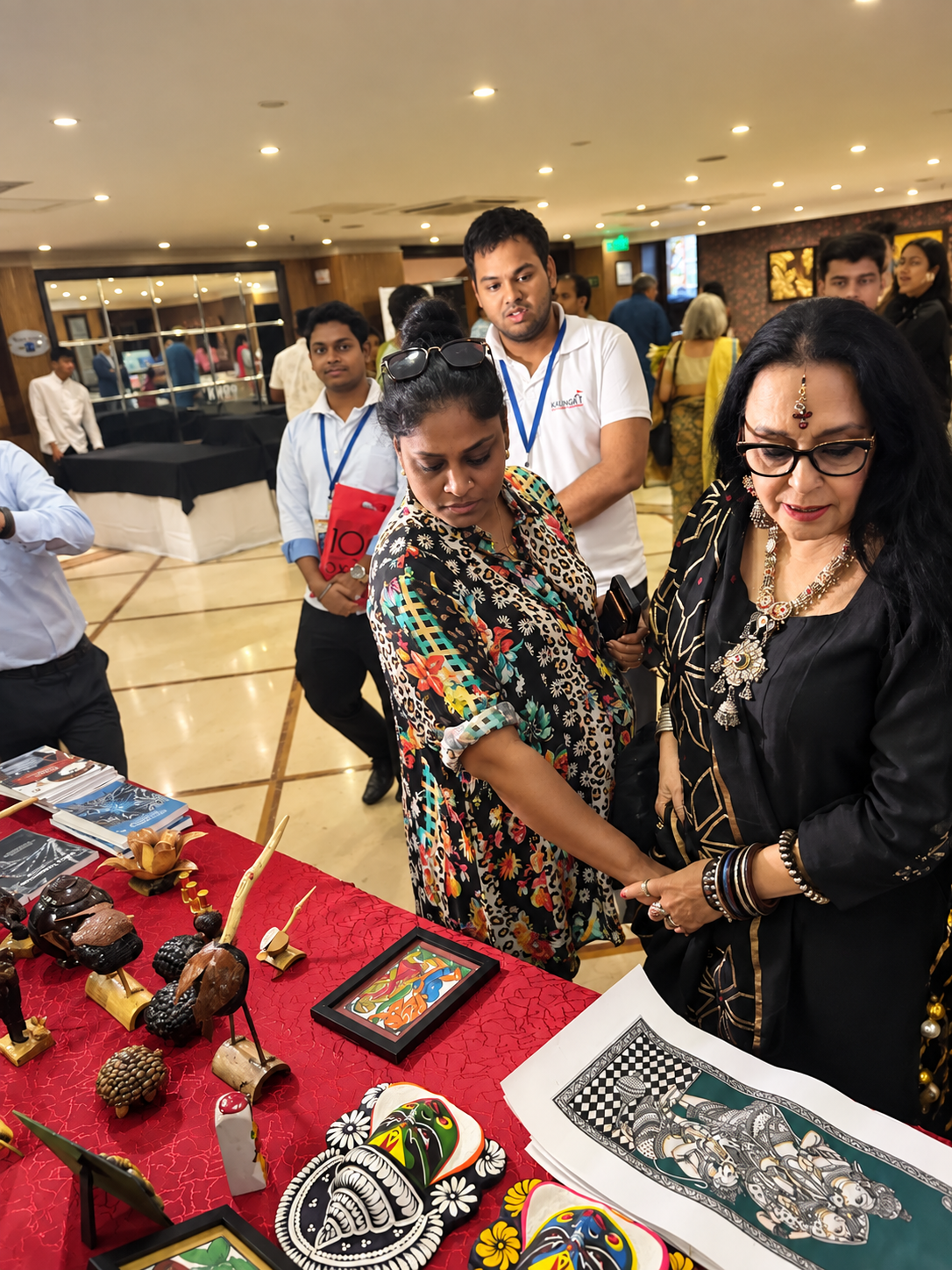
One hundred and sixty-seven artisans connected to fair markets, fourteen capacity-building programmes, and twelve Art-Craft Fairs held at our Odisha Bodh Kendra.
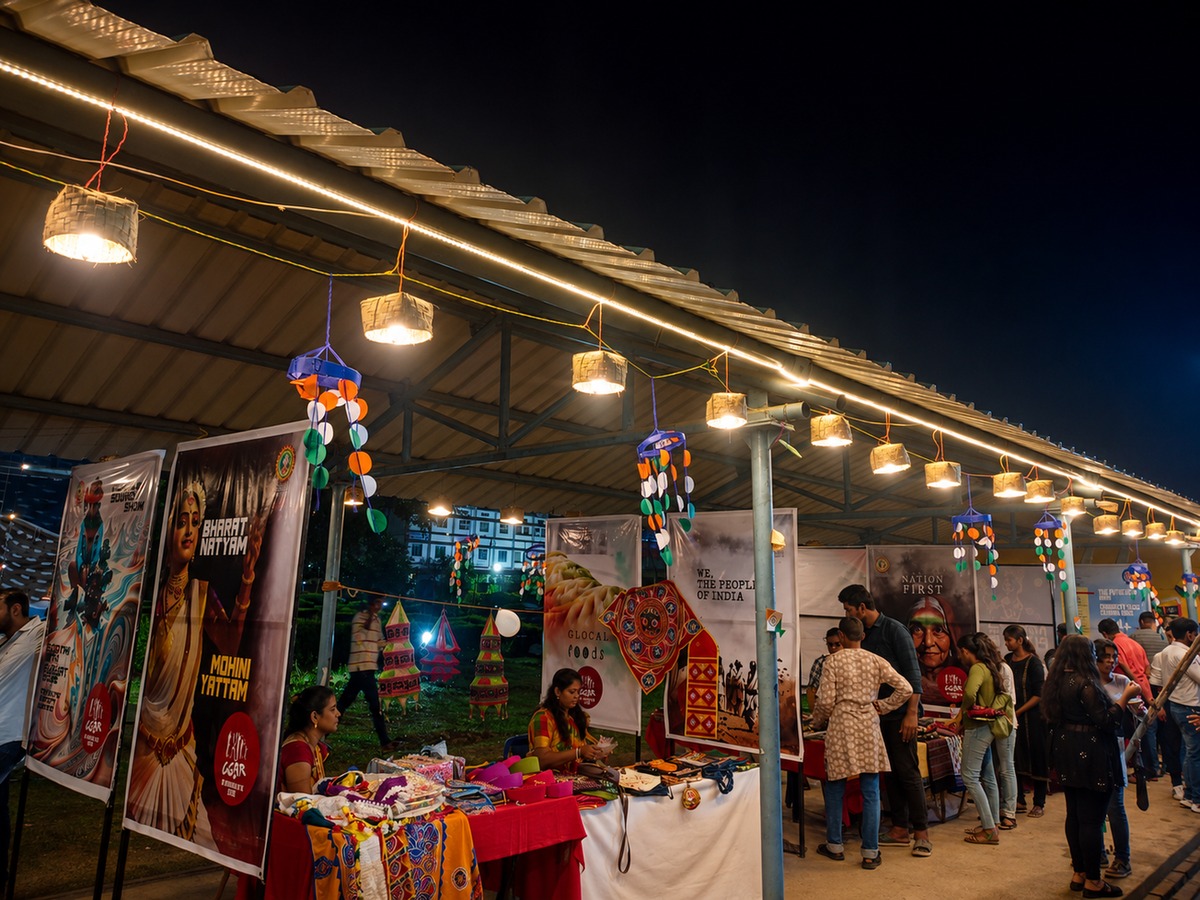
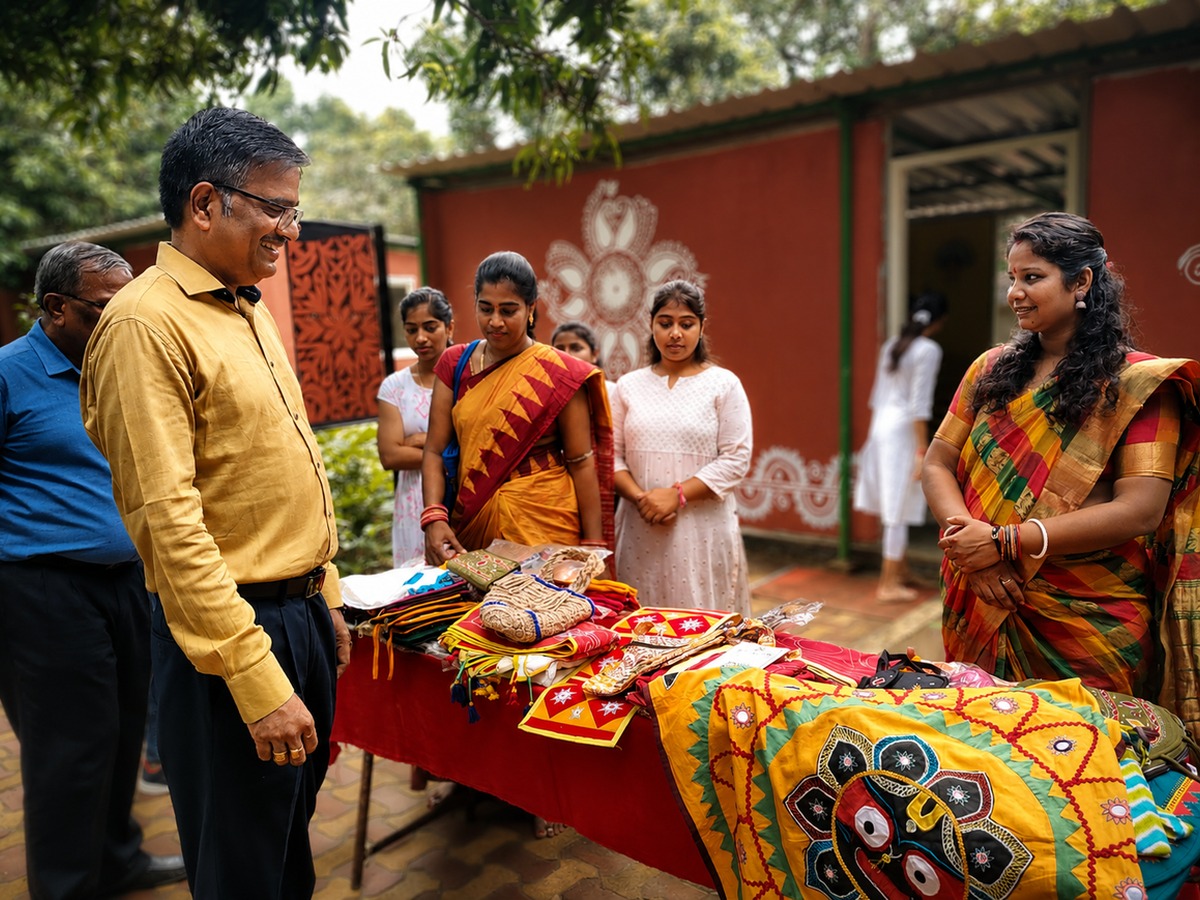
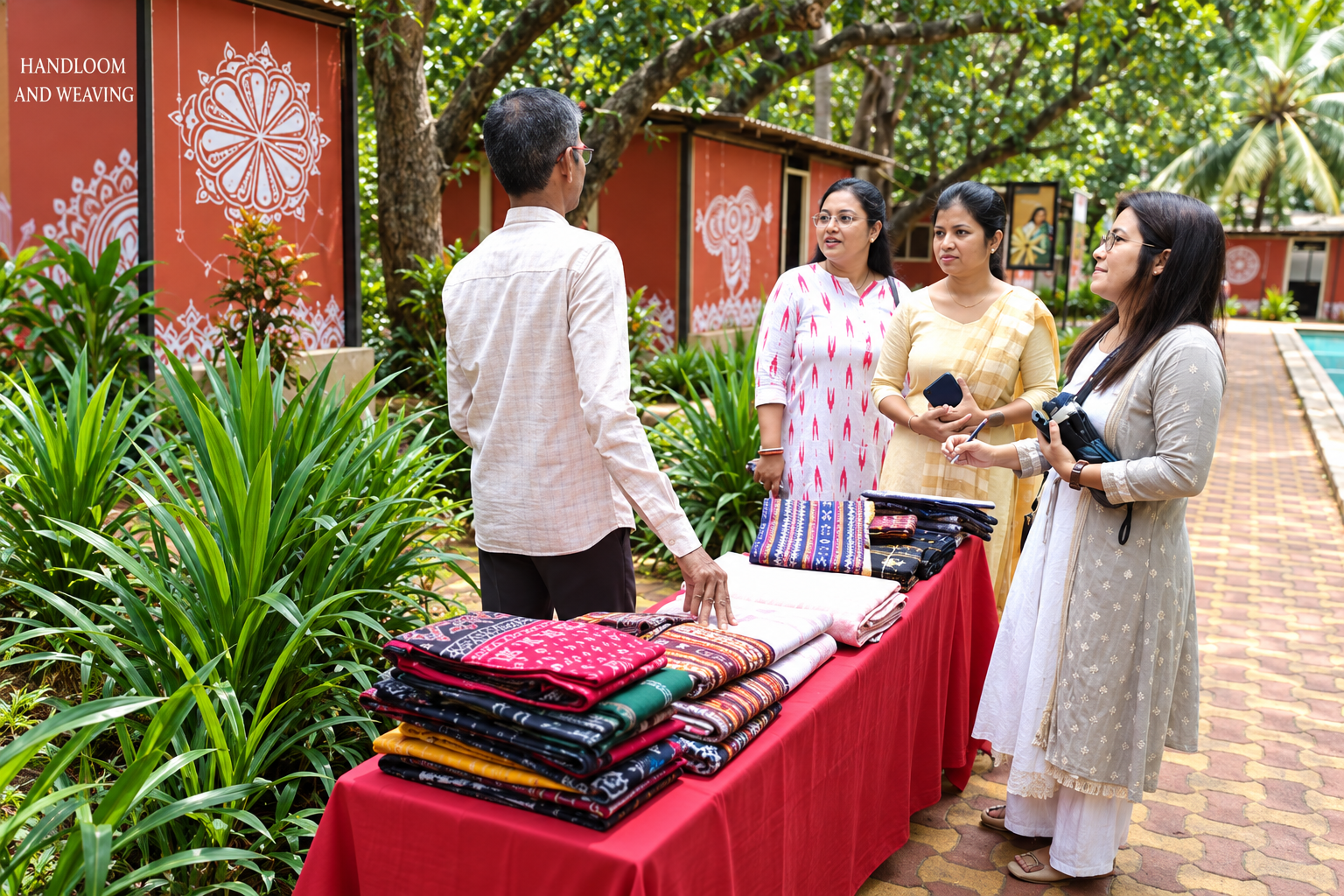
Art-Craft Fair · artisan stalls in the evening
07Community teachers
67
Community Teachers
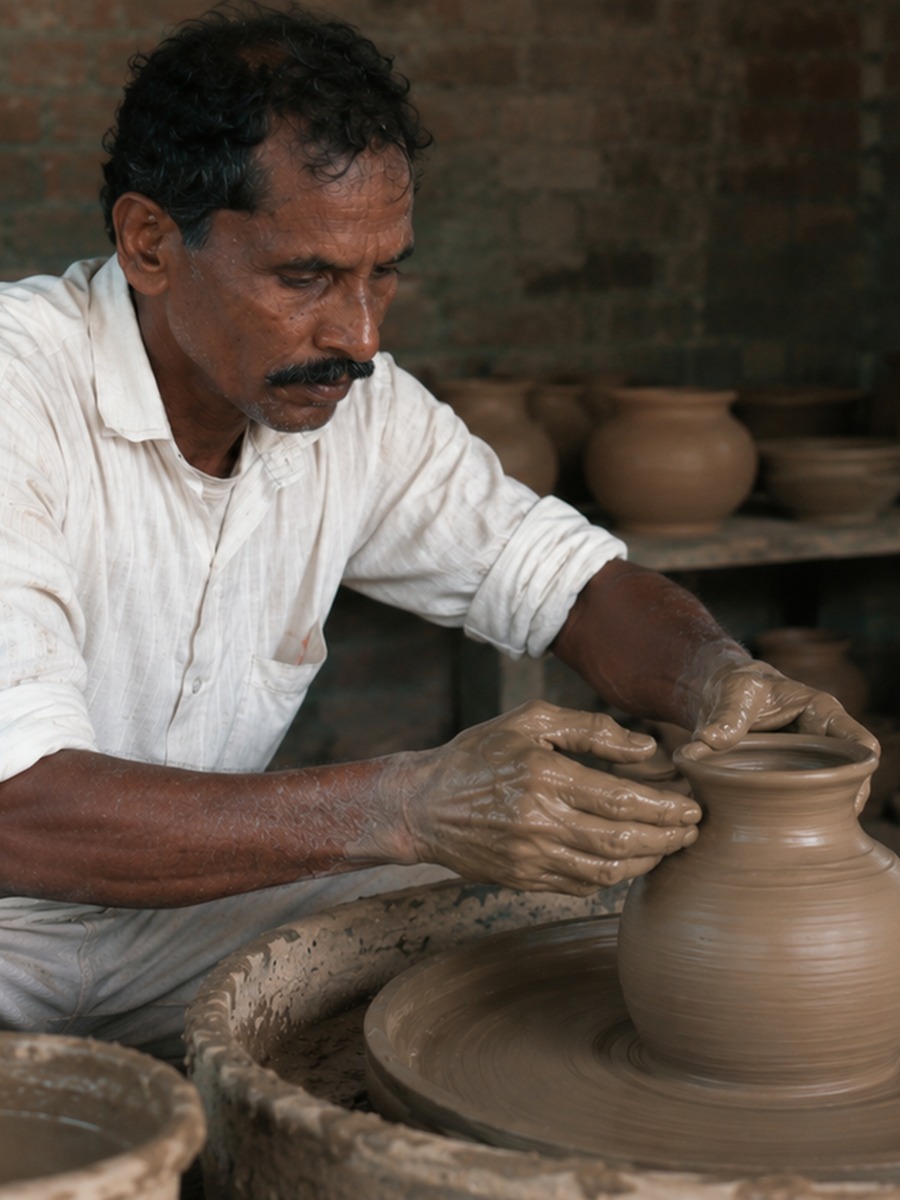
Sixty-seven community artisans now teach students and interns as Community Teachers, following the pedagogy of the oppressed.
“The craft earns twice — once at the market and once in the classroom.”
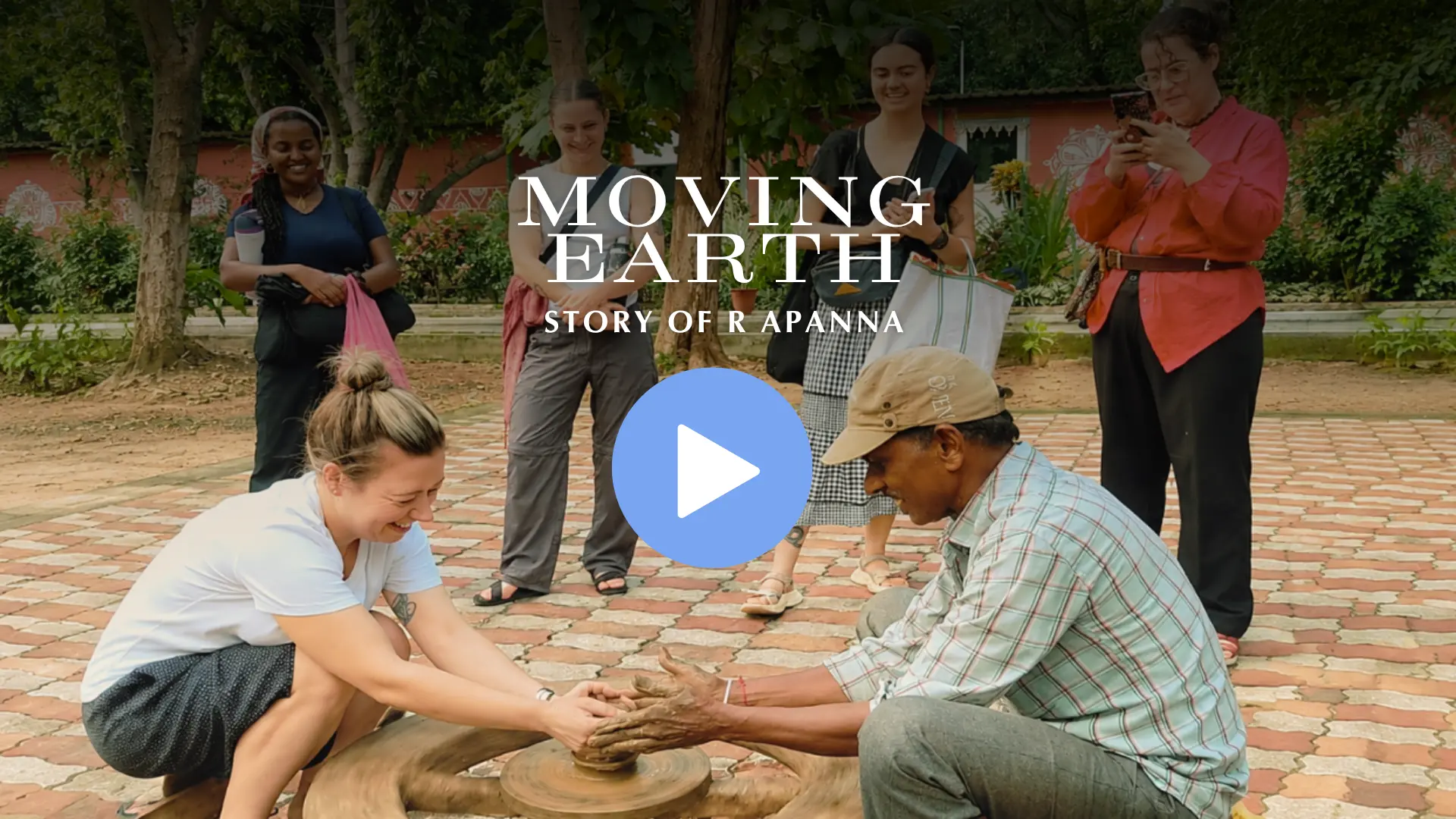
Story of our Community Teacher · R. Apanna
09Forest livelihoods research
The Chenchu
4
Chenchu hamlets
120
households
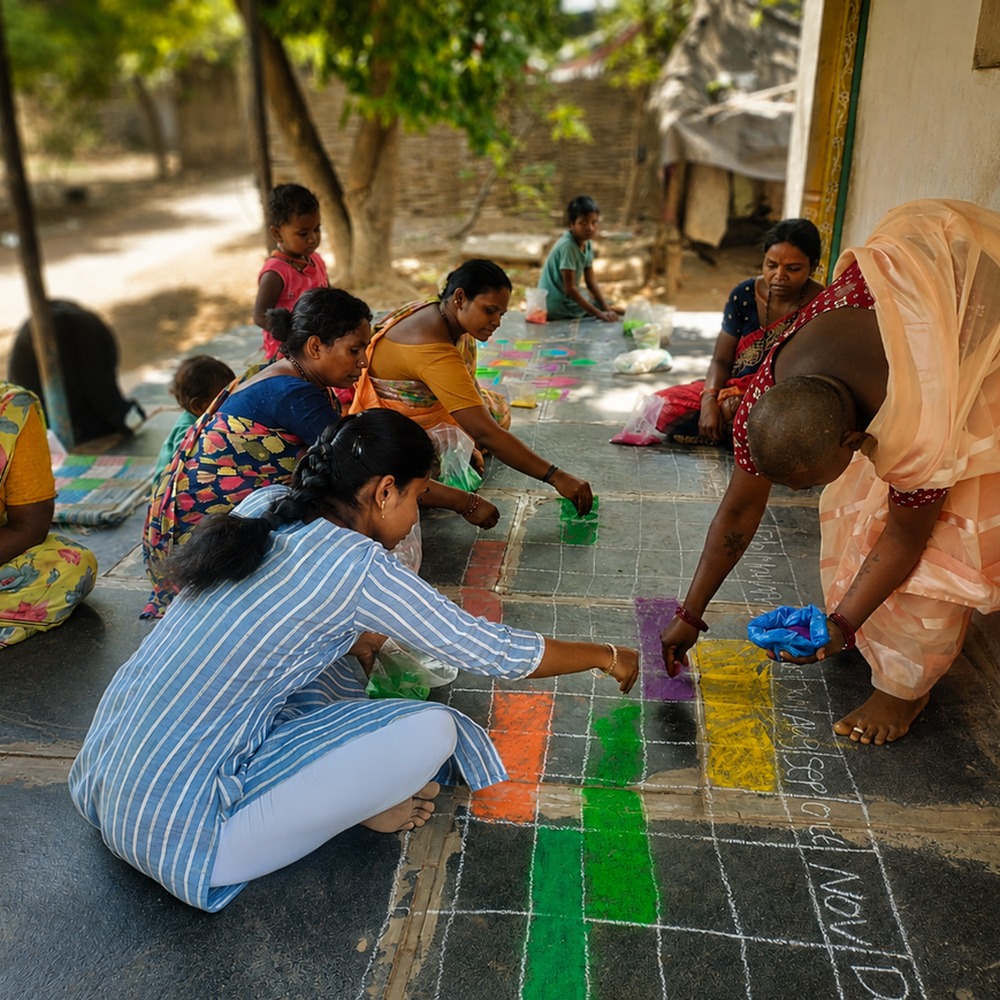
A participatory assessment of forest-based livelihoods across four Chenchu hamlets in Andhra Pradesh, covering 120 households, using the Sustainable Livelihoods Framework alongside social network analysis. A wild honey value-addition project follows from it.
- Forest livelihood assessment
- Wild honey value addition
11Where the work reaches the market
How does a livelihood reach a buyer?
Honey and jaggery move B2B. Food and craft reach customers directly through our cafés and websites. Tourism runs through Terrain Vanabas. And each Community Bodh Kendra doubles as a village ethnic museum and a sales kiosk for what the village makes.
Producer / household
Value addition in the village
Value travels outward. Income returns to the producer and the community.
A livelihood works when the community no longer needs us to run it.
Research it together. Build it locally. Practise it for real. Hand it over.
- Research
- Build
- Practise
- Plan
- Community ownership